
Plants
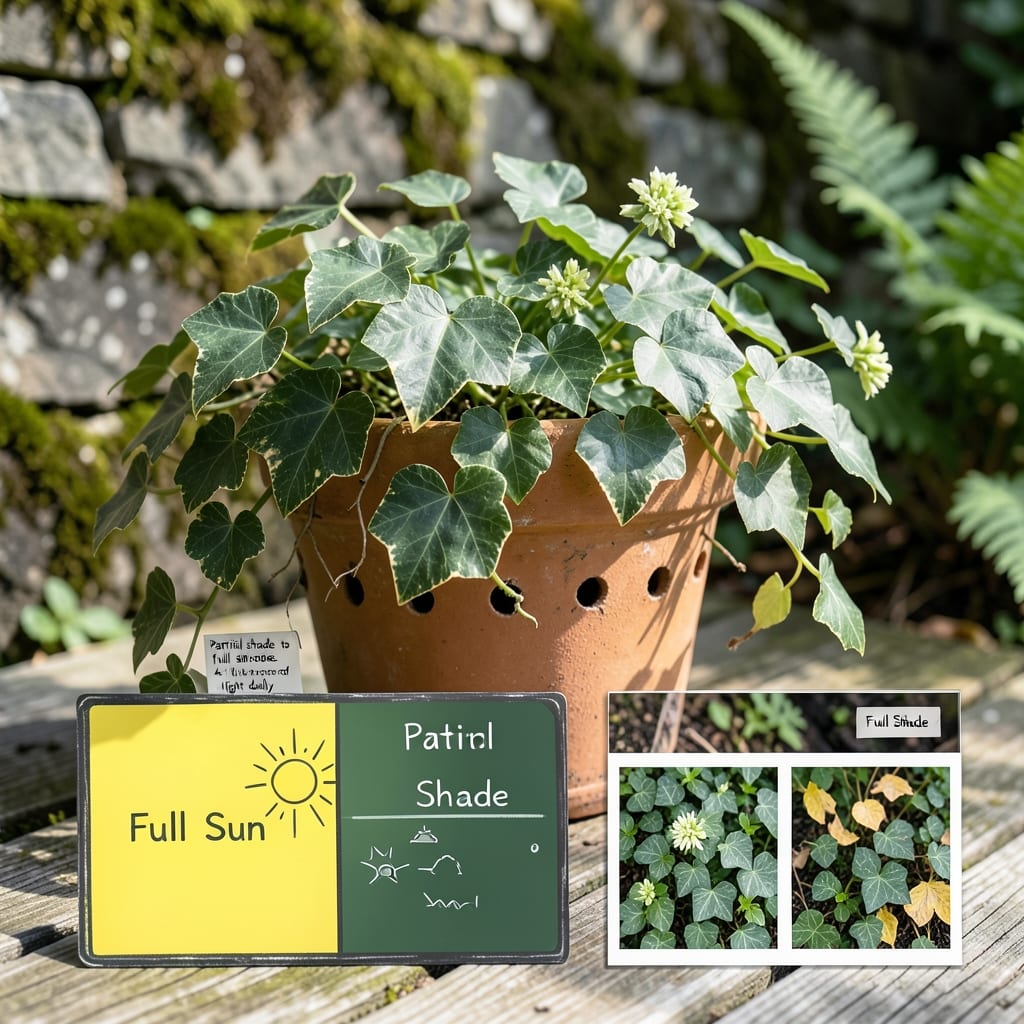
If your 🌿 ivy plant keeps struggling to stay green and vibrant, you might be getting its light needs all wrong. The truth is, ivy thrives in conditions most people overlook—bright but indirect sunlight, not harsh direct rays. Too much sun burns those delicate leaves, while too little leaves it stretched and weak. Let’s fix that with the perfect lighting balance for your ivy’s success.
Ivy isn’t picky, but it does have preferences—low to medium indirect light is its sweet spot. Whether you’re growing it indoors near a window or outdoors in partial shade, understanding these nuances makes all the difference. You’ll learn how to spot signs of over- or under-lighting and adjust care effortlessly.
Think your ivy is doomed to survive in dim corners? Think again. Some varieties even flourish in lower light conditions than you’d expect. We’ll break down the best spots in your home or garden, plus how to rotate plants for even growth. No more guesswork—just lush, healthy ivy that climbs and thrives.
Ready to transform your ivy from struggling to stunning? Let’s dive into the exact lighting rules that’ll have it growing strong in no time. Your plant (and your space) will thank you!

Ivy light requirements: ideal low to medium indirect sunlight explained
Ivy plants are often called low-light champions, but that doesn’t mean they’ll thrive in complete darkness. The key is bright indirect sunlight, which mimics their natural habitat under forest canopies. In the wild, ivy grows on tree trunks and rocky surfaces where sunlight filters through leaves, creating dappled light conditions. Recreating this environment indoors or outdoors is the secret to keeping your ivy lush and green.
Most ivy varieties do best with 4 to 6 hours of indirect light daily. This means placing them near windows with sheer curtains or in spots where sunlight bounces off walls before reaching the plant. Direct sunlight, especially midday rays, can cause leaf burn, turning those vibrant green leaves brown and crispy. Think of it like sunbathing—too much at once is a bad idea, but a little spread out keeps things healthy.
Here’s where many gardeners go wrong: assuming all indirect light is equal. What ivy truly needs is medium to bright indirect light, not dim corners or harsh direct beams. A north-facing window provides gentle, consistent light, while east or west windows offer morning or afternoon sun without the intensity of southern exposure. South-facing windows can work too, but only if you use a sheer curtain to diffuse the light.
Seasonal changes also impact your ivy’s light needs. During summer months, when sunlight is strongest, you may need to move your plant further from the window or add a sheer curtain. In winter, when days are shorter, supplement with a grow light if you notice your ivy stretching or losing color. This stretching is a clear sign it’s craving more light, even if it’s not enough to cause leaf burn.
Watch for these tell-tale signs of light issues: Yellowing leaves often mean too much direct sun, while leggy growth (long stems with sparse leaves) signals insufficient light. Both problems are fixable with simple adjustments—just move your plant to a better spot or rotate it weekly to ensure even exposure. Your ivy will thank you with faster, bushier growth and those signature glossy leaves.
Outdoor ivy plants have slightly different needs depending on your climate. In cooler regions, ivy can handle more direct sunlight, especially in morning hours, because the sun isn’t as intense. However, in hot, dry climates, even partial shade becomes crucial to prevent leaf scorch. If you’re growing ivy outdoors, monitor it closely during the first few weeks to see how it responds to your specific microclimate.
A common misconception is that all ivy varieties are created equal when it comes to light. While most ivy is adaptable, some types like English Ivy and Algerian Ivy tolerate lower light better than Boston Ivy, which can handle slightly brighter conditions. Knowing your specific ivy variety helps tailor its care, so check the tags or do a quick online search if you’re unsure. This small detail can make a big difference in your plant’s long-term health.
Pro tip: If your ivy starts looking leggy or sparse, it’s not too late to adjust. Simply move it to a brighter spot and rotate it weekly so all sides get even light exposure. Within a few weeks, you’ll see new growth filling out those bare stems. Patience is key—ivy is a slow grower, but with the right light, it’ll reward you with years of lush, vibrant foliage.
Remember, the goal is to mimic nature. Ivy doesn’t want to be baked under a hot sun or left in the dark—it wants that goldilocks zone of perfect light balance. Get it right, and your ivy will thrive for years, climbing walls, trailing in pots, or cascading from shelves with minimal effort on your part.
Ivy light requirements: ideal low to medium indirect sunlight explained
Ivy plants thrive in low to medium indirect light, making them perfect for homes with limited sunlight. Unlike sun-loving plants, ivy avoids harsh rays that can cause leaf burn. Instead, it prefers bright, filtered light—think dappled shade from a sheer curtain or morning sun through an east-facing window.
The key is understanding the difference between direct sun (which can scorch) and indirect light (which fuels growth). Ivy’s leaves will tell you everything—yellowing or crispy edges mean too much sun, while stretched, pale leaves signal it needs more light. Seasonal changes also matter: winter’s weaker light may require moving your ivy closer to a window.
Here’s the breakdown of ivy’s light needs in a nutshell:
| Light Condition | Ideal Hours/Day | Signs of Perfect Light |
|---|---|---|
| Low Indirect Light | 2-4 hours | Dark green leaves, slow but steady growth |
| Medium Indirect Light | 4-6 hours | Vibrant green leaves, bushy growth |
| Direct Sun (Risky) | Over 6 hours | Brown spots, crispy edges, wilting |
Most gardeners mistakenly assume bright indirect light means placing ivy in south-facing windows. That’s a recipe for disaster—midday sun is too intense. Instead, aim for east or west windows, where light is gentler. If your home lacks natural light, a grow light (12-14 hours/day) can mimic ideal conditions.
Outdoor ivy? It loves partial shade—think under trees or on north-facing walls. In summer, watch for afternoon shade to protect leaves from heat stress. A simple trick: if you can see your shadow but it’s not harsh, your ivy’s light levels are just right.
Pro tip: Rotate your ivy quarter-turn weekly to ensure even growth. Uneven light exposure causes lopsided plants, but consistent rotation keeps it lush and symmetrical. Your ivy will reward you with glossy, healthy foliage that’s the envy of every plant lover.
Still unsure? Observe your ivy’s leaves—they’re your best guide. With the right light, your plant will grow stronger, faster, and more vibrant than ever before. 🌿