
Light Requirements
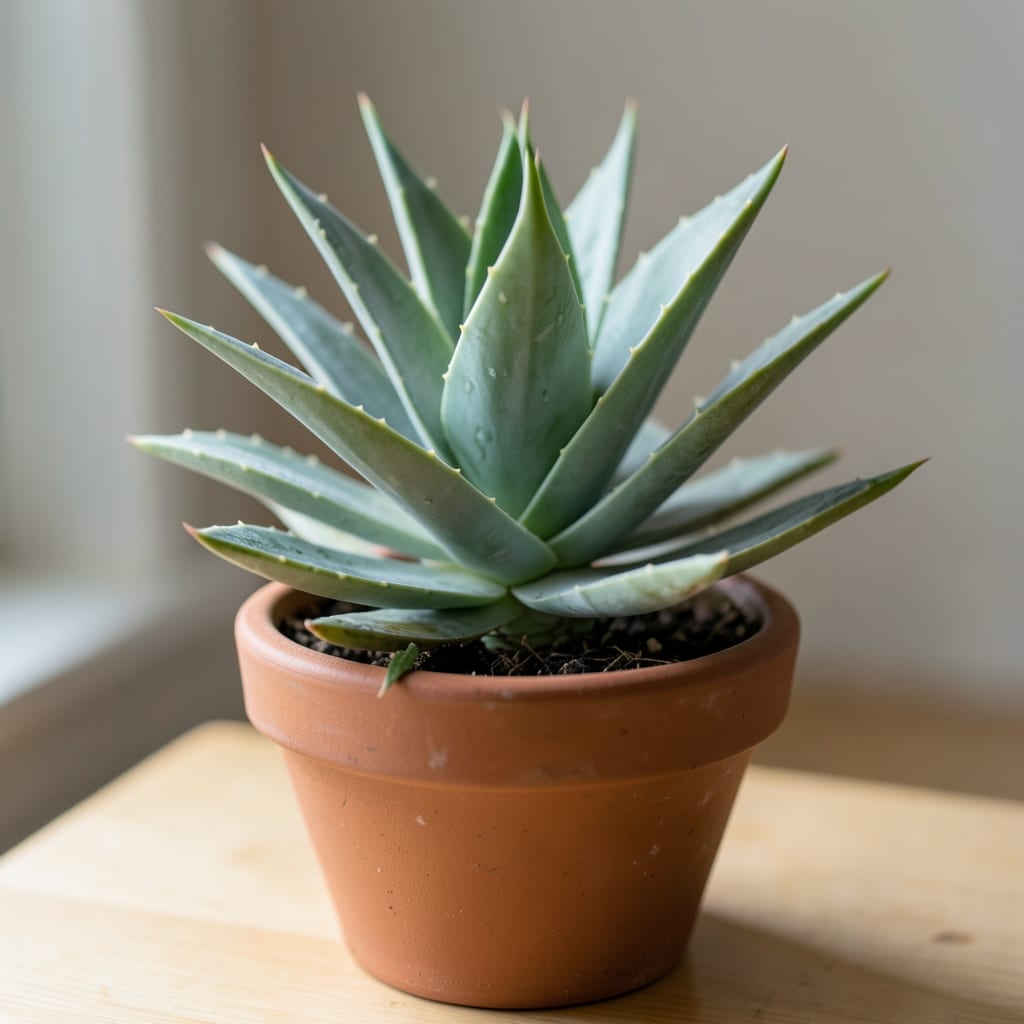
If your aloe vera 🌱 plant is stretching toward the light like a sleepy cat reaching for the sun, you're not alone—this is a classic sign of light hunger. The right amount of brightness isn't just about survival; it's the key to thick, vibrant leaves packed with those healing gel benefits we all love.
Too little light, and your aloe vera turns into a leggy shadow of itself, while too much can crisp the edges like overcooked bacon. Finding that sweet spot between bright indirect light and direct sun exposure is easier than you think, and I'll show you exactly how to create the perfect growing conditions—whether you're working with a south-facing window or limited indoor space.
Let's break down the science behind aloe vera's light needs and how to spot those sneaky signs your plant is either basking too much or not getting enough. You'll learn practical fixes that actually work, so you can finally stop guessing and start growing a thriving, healthy aloe vera that looks as good as it feels.
From adjusting your plant's position to knowing when to bring it in for a light break, these strategies will transform your aloe vera care routine. Ready to give your plant the light it craves for that lush, happy appearance? Let's dive in.

Optimal light requirements for aloe vera: sun exposure guidelines
Aloe vera plants thrive under bright light conditions, but they’re surprisingly adaptable. Outdoors, they need 6 to 8 hours of direct sunlight daily, while indoors, they prefer bright indirect light near a south-facing window. This succulent’s love for light is what gives it those thick, vibrant leaves—without enough, it stretches and weakens, a condition called etiolation.
The key is balancing intensity and duration. Too much harsh afternoon sun can scorch the leaves, while too little causes pale, leggy growth. In my own garden, I’ve found that morning sun paired with afternoon shade works wonders for outdoor aloe vera. For indoor plants, a spot within 3 feet of a sunny window is ideal, but avoid placing them directly in the path of hot rays.
Seasonal adjustments are crucial. During summer months, aloe vera can handle more direct sun, but in winter, when sunlight is weaker, supplement with a grow light if needed. I’ve seen aloe vera plants in my greenhouse thrive under 12 hours of artificial light during shorter winter days—just mimic the sun’s arc with a timer for best results.
Here’s the breakdown of aloe vera’s light needs in a nutshell:
| Light Type | Ideal Conditions | Signs of Stress |
|---|---|---|
| Direct Sun | 6-8 hours/day (morning sun preferred) | Brown, crispy leaf edges |
| Bright Indirect | Near south/west window (6+ hours light) | Pale, stretched leaves |
| Low Light | North-facing window or shaded spot | Leggy growth, weak stems |
| Artificial Light | 12-14 hours/day (LED grow lights) | None (if spectrum is correct) |
If you’re growing aloe vera in a container, rotate it every few weeks so all sides get equal light exposure. This prevents one-sided growth and keeps the plant compact. I rotate my potted aloe vera every Sunday—it’s a quick habit that makes a noticeable difference in just a few months.
For outdoor aloe vera, afternoon shade during peak summer heat (12 PM–4 PM) is a game-changer. I use a sheer curtain or place mine under a patio umbrella to prevent sunburn. Even desert-dwelling aloe vera can overheat if temperatures exceed 90°F (32°C) without shade.
One common misconception is that aloe vera can thrive in any light. While they’re tough, they’re not low-light plants. I’ve seen aloe vera in dim corners survive for years, but they’ll never reach their full potential. The difference between a struggling plant and a thriving one often comes down to giving it the brightest spot you can—even if it’s not full sun.
Pro tip: Test your aloe vera’s light conditions by observing its leaves. Healthy aloe vera leaves should be thick, upright, and a vibrant green. If they’re turning yellow or developing brown patches, it’s time to adjust its light exposure. For indoor plants, moving them closer to the window (but not touching the glass) often solves the problem.
Remember, aloe vera’s light needs are flexible, but they’re not infinite. Aim for at least 6 hours of bright light daily, and you’ll reward yourself with a plant that’s not only beautiful but also packed with those healing properties we all love. With the right light, your aloe vera will grow into a robust, gel-rich powerhouse—ready to heal cuts and soothe burns whenever you need it. 🌿
How to adjust light for aloe vera in different environments
Aloe vera thrives in bright light, but not all spaces provide the same conditions. Whether you're working with a dim apartment, a sunny balcony, or a greenhouse, knowing how to adapt your plant's environment is key. Indoor spaces often lack the intense sunlight aloe vera craves, while outdoor spots can sometimes deliver too much. Let's explore practical solutions for each scenario so your aloe vera gets just the right amount of light to flourish.
For indoor setups, a south-facing window is your best bet—it offers the most consistent bright light. If that's not an option, east or west-facing windows work too, but you may need to rotate your plant every few days. This ensures even growth and prevents the plant from leaning toward one light source. If your home lacks natural light, grow lights can be a game-changer, especially during the shorter winter days.
Indoor Light Solutions
- South-facing windows provide 6+ hours of light
- Grow lights extend daylight in low-light months
- Easy to rotate plant for even growth
- North-facing windows offer limited light
- Grow lights require electricity and setup
- Overhead lights can cause uneven growth
Outdoor Light Solutions
- Direct sun provides optimal growth
- Natural light is free and abundant
- Outdoor plants develop thicker leaves
- Afternoon sun can burn leaves
- Extreme heat may require shade adjustments
- Winter light is less intense
Balcony/Greenhouse Solutions
- Balconies offer flexible positioning
- Greenhouses extend growing seasons
- Partial shade options protect from intense sun
- Wind can damage delicate leaves
- Greenhouse heat may require ventilation
- Limited space can restrict plant growth
If you're growing aloe vera outdoors, position it where it gets morning sun and afternoon shade during the hottest months. This prevents sunburn while still providing enough light for robust growth. In containers, you can easily move your aloe vera to a shadier spot when temperatures rise. For greenhouse setups, ensure proper ventilation to prevent overheating, which can stress your plant even if it has plenty of light.
For those tricky low-light situations, consider using a reflective surface like a white shelf or mirror to bounce more light onto your aloe vera. This simple trick can make a big difference in indoor spaces. If your plant starts showing signs of light deprivation—like elongated, pale leaves—it’s time to reassess its position or invest in a grow light. A LED grow light with a full spectrum (red and blue) is ideal for aloe vera, as it mimics natural sunlight and promotes healthy growth.
Remember, aloe vera is highly adaptable, but it does best with consistency. If you notice your plant struggling, don’t hesitate to adjust its light exposure gradually. Sudden changes can shock the plant, so move it incrementally over a few days. With the right light balance, your aloe vera will reward you with thick, vibrant leaves that are perfect for healing and skincare.
Experiment with different light setups to see what works best in your space. Whether you're a balcony gardener or an indoor plant enthusiast, finding the perfect light conditions will keep your aloe vera thriving year-round. 🌿