
Companion Plants
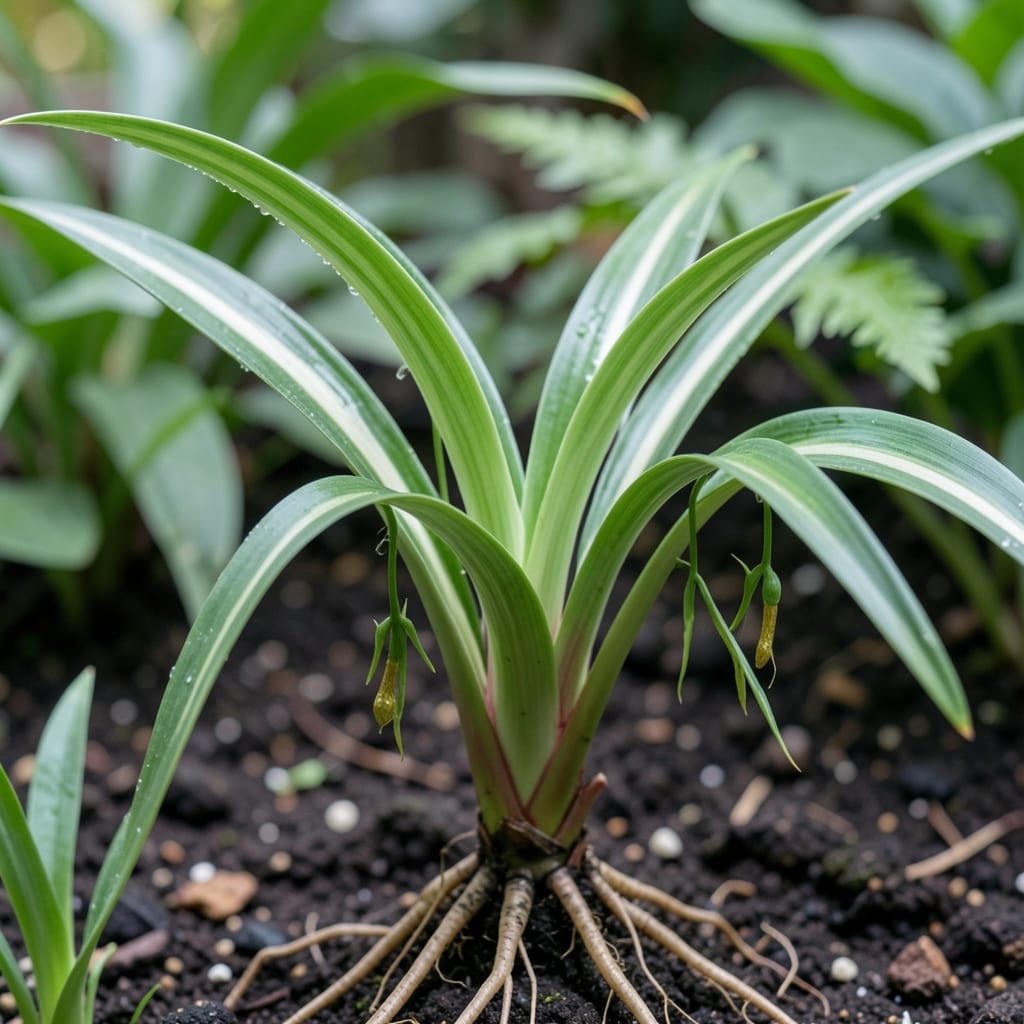
If your spider plant 🌿 looks more like a sad, stretched-out shadow than the vibrant green beauty it should be, you’re probably not getting how much light a spider plant should get right—and you're not alone. This common houseplant thrives in conditions most people accidentally mess up, and the difference between lush growth and leggy disappointment often comes down to one simple factor: how much light it actually needs.
The ideal scenario for a spider plant 🌿 isn't the harsh midday sun or a dim corner where it slowly fades away—it's that sweet spot of bright, indirect light. Think of it like Goldilocks: not too much, not too little, but just right. I’ve seen firsthand how even small adjustments in placement can transform a struggling plant into a thriving showstopper, and I’m here to show you exactly how to get it perfect.
You might be surprised to learn that spider plants 🌿 are far more forgiving than most people realize, but that doesn’t mean they’ll tolerate just any lighting. Whether you’re dealing with a south-facing window that’s too intense or an office cubicle that’s too dim, I’ll walk you through the signs to watch for and the simple fixes that make all the difference. Let’s get your plant the light it craves so you can enjoy those iconic little "spiderettes" year-round.
Ready to turn your spider plant 🌿 from a struggling survivor into a healthy, happy centerpiece? The solution starts with understanding its light needs—and trust me, it’s easier than you think. Let’s dive in.

Spider plant light requirements: the perfect balance between too much and too little
Your spider plant 🌿 thrives in bright indirect light, but understanding the nuances of this requirement can make all the difference between a lush, healthy plant and one that struggles to survive. The key is replicating the dappled sunlight it would naturally receive under a tree canopy. Think of it this way: if you were to place your plant in direct sunlight, it would get sunburned. If you tuck it into a dark corner, it’ll stretch and weaken.
The ideal scenario is 4-6 hours of filtered light daily, which mimics the conditions of its native habitat in South Africa. This means positioning your plant near an east or north-facing window where the sun’s rays are softer and less intense. West-facing windows can work, but you’ll need to use a sheer curtain to diffuse the light, especially during the afternoon when the sun is strongest.
Here’s the critical detail most people miss: light quality matters more than quantity. A spider plant can tolerate lower light levels than many other houseplants, but it won’t flourish in dim conditions. The goal is to provide enough light to keep the leaves vibrant and compact, not just enough to keep it alive. If your plant starts developing long, thin stems with sparse foliage, it’s a clear sign it’s reaching for more light.
Seasonal changes also play a role in how much light your spider plant needs. During the shorter, darker days of winter, you might notice your plant slowing down. This is normal, but you can still support its growth by rotating the pot every few weeks. This ensures all sides of the plant get equal exposure, preventing uneven growth and ensuring your spider plant stays balanced and full.
🌱 Spider Plant Light Requirements Summary
| Light Condition | Ideal Placement | Signs of Correct Light |
|---|---|---|
| Bright Indirect Light | East or North window, 2-3 feet away | Vibrant green leaves, compact growth, frequent spiderettes |
| Medium Indirect Light | West window with sheer curtain, 3-4 feet away | Slower growth, slightly paler leaves, fewer spiderettes |
| Low Light | North-facing room, away from windows | Leggy stems, sparse foliage, yellowing leaves |
If you’re unsure whether your home’s lighting is suitable, start by observing your spider plant’s current environment. Hold a piece of white paper near the plant for a few hours—if the paper turns yellow, the light is too intense. If it stays white, the light is likely too dim. Adjust the plant’s position gradually over a week or two to avoid shocking it, especially if you’re moving it from a darker to a brighter spot.
Another pro tip: rotate your plant every 2-3 weeks. This ensures even growth and prevents the plant from leaning toward the light source. Over time, you’ll develop a keen eye for the perfect balance, and your spider plant will reward you with those signature spiderettes and lush, arching foliage. The goal isn’t perfection—it’s creating an environment where your plant can thrive effortlessly.
For those with south-facing windows, the challenge is avoiding direct sunlight. Use a sheer curtain or a semi-sheer blind to filter the light. If you notice the leaves turning brown or developing crispy edges, it’s a sign the light is too harsh. Move the plant back a few feet or add an extra layer of fabric to diffuse the sunlight further. Your spider plant will thank you with vibrant, healthy growth.
Remember, every home’s lighting is unique, so don’t be afraid to experiment. If your spider plant starts to look a little sad, it’s often a simple matter of tweaking its position or adding a little more light. With the right balance, your spider plant will become the star of your indoor garden—lush, green, and full of life.
Now that you’ve got the light down, let’s talk about what happens when things go wrong. In the next section, we’ll cover the telltale signs your spider plant isn’t getting the right light and how to fix those issues before they become permanent problems. 🌱
Spider plant light requirements: the perfect balance between too much and too little
Your spider plant 🌿 thrives in bright indirect light, which means it needs plenty of natural light without direct sun exposure. Think of it like morning sunlight filtering through sheer curtains—gentle but abundant. This 4-6 hours of filtered light daily is ideal, but I’ve found most people either overestimate their plant’s tolerance for low light or underestimate how harsh direct sunlight can be.
The key is mimicking its natural habitat in shady forest understories, where it gets dappled sunlight. In your home, this translates to placing your plant near an east or north-facing window, where the light is soft and spread out. West-facing windows can work too, but only if you place the plant 3-4 feet away to avoid the intense afternoon sun.
🌱 Spider Plant Light Requirements Summary
| Light Type | Daily Hours | Ideal Placement | Signs of Correct Light |
|---|---|---|---|
| Bright Indirect | 4-6 hours | East/west window, 2-3 ft away | Vibrant green leaves, compact growth |
| Medium Indirect | 2-4 hours | North window or filtered light | Slower growth, still healthy |
| Low Light | <1 hour | Hallway, office corner | Leggy stems, pale leaves |
Note: Adjust placement seasonally—summer sun is stronger, so move plants back 6 inches during peak hours.
If you’re unsure about your window’s intensity, here’s a quick test: Hold a piece of white paper near your plant for a few hours. If the paper shows no visible shadows but still feels warm, you’ve got the perfect bright indirect light. If it’s too dark, your plant will start stretching toward the light, a classic sign of etiolation—those long, weak stems are its way of searching for more light.
Seasonal changes can throw off even the best-placed spider plants. During winter months, when natural light dims, supplement with a grow light for 6-8 hours daily if you notice new growth slowing. I’ve seen spider plants in offices with fluorescent lighting thrive, but they’ll always grow faster with a mix of natural and artificial light. A simple LED grow bulb can make all the difference in maintaining that vibrant green color.
One common mistake I see is placing spider plants too close to south-facing windows, where the light is harshest. Direct sun can scorch the leaves, leaving brown or yellow patches that ruin the plant’s appearance. If you must place it there, use a sheer curtain to diffuse the light or rotate the pot every few days so all sides get even exposure.
Remember, the goal is consistency. Spider plants adapt slowly to changes in light, so if you move yours to a brighter spot, do it gradually over 1-2 weeks to avoid shocking the plant. Watch for new growth—if it’s dark green and sturdy, you’ve got the light balance just right. If not, tweak the placement and give it time to adjust.