
How To
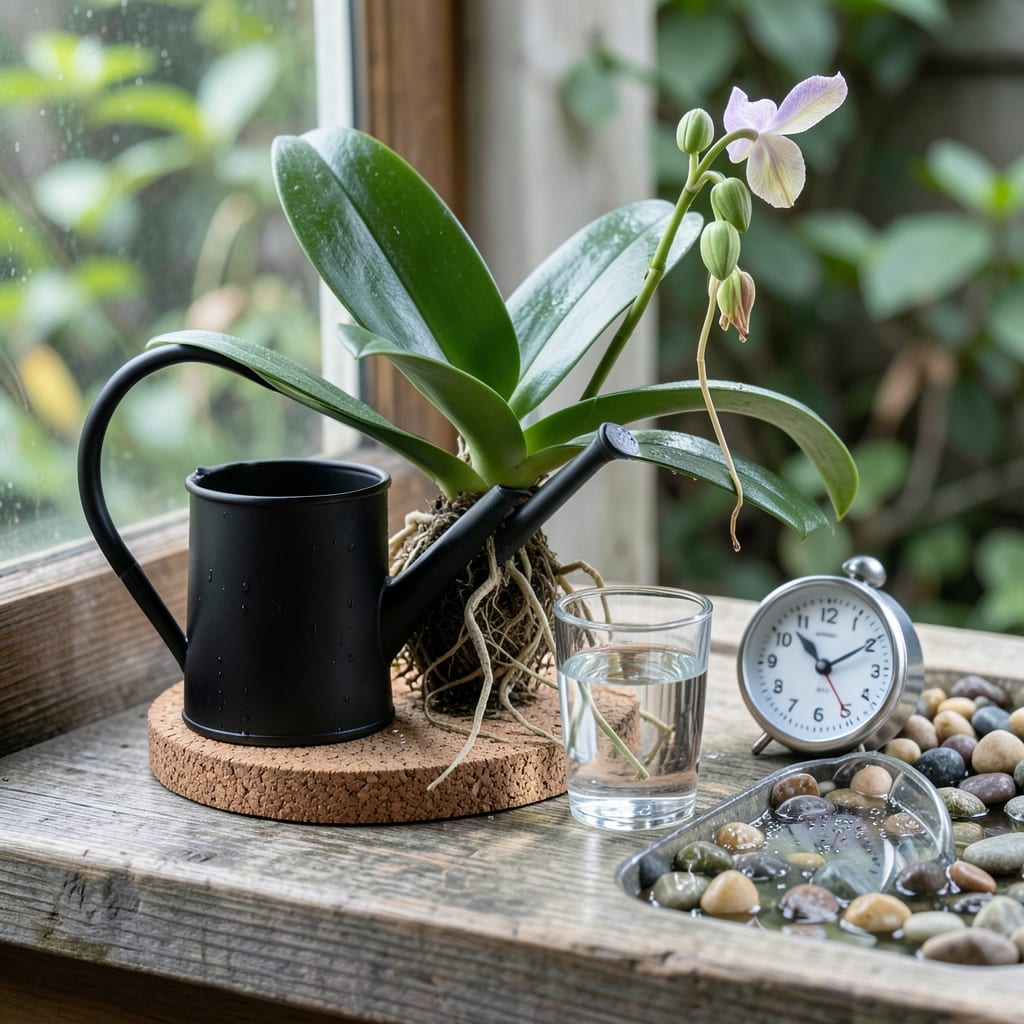
Mastering how often to water mounted orchids isn’t about following a rigid schedule—it’s about reading your plant’s signals. Too much water, and those delicate roots rot; too little, and your orchid wilts faster than you can say "spring blooms." The key lies in understanding how often to water mounted orchids without guessing.
Unlike their potted cousins, mounted orchids breathe differently—they rely on airflow and precise moisture levels. That means your watering frequency should shift with the seasons, humidity, and even your home’s microclimate. What works in USDA Zone 6 during summer might fail in fall, leaving you scratching your head over why your orchid’s roots are turning silver.
I’ve spent years perfecting this balance, and the secret isn’t complicated: it’s all about observing. Your orchid’s roots will tell you everything you need to know—if they’re green, they’re happy; if they’re silver, it’s time to hydrate; and if they’re brown, you’ve overdone it. Let’s break down the science-backed schedule that’ll keep your mounted orchid 🌸 thriving year-round, no guesswork required.
From seasonal adjustments to root color cues, you’ll learn exactly how to water your orchid—whether it’s a Phalaenopsis or Dendrobium—so you can enjoy those stunning blooms without the stress. Ready to transform your watering routine from a gamble into a game-changer?
How often to water mounted orchids by season: a science-backed schedule
Your mounted orchid’s watering needs aren’t static—they dance with the seasons like a well-choreographed ballet. In spring and summer, when humidity soars and temperatures climb, your orchid drinks more frequently than in fall and winter, when it craves a gentle sip. Think of it like adjusting your thermostat: too much heat (or water) in summer, and your orchid wilts; too little in winter, and it sleeps away its energy reserves.
The key to nailing this balance? Seasonal adjustments based on your USDA Zone 6 climate, humidity levels, and your orchid’s natural dormancy cycles. For example, a Phalaenopsis might need watering every 5-7 days in July but only every 10-14 days in January. Let’s break down the exact schedule you need to keep your orchid thriving year-round.
Here’s the golden rule: water in the morning (before 10 AM) to mimic natural rainfall patterns and allow excess moisture to evaporate. Avoid evening watering—it’s a fast track to root rot from prolonged dampness. And always use room-temperature water to avoid shocking the roots.
Now, let’s dive into the season-by-season watering guide that’ll transform your orchid care from guesswork to confidence. Whether you’re battling dry air in winter or sweltering heat in summer, these science-backed tips will keep your orchid’s roots happy and healthy.
🌸
Seasonal Watering Schedule for Mounted Orchids
| Season | Frequency | Watering Method | Root Color Goal | Humidity Needs |
|---|---|---|---|---|
| Spring | Every 7-10 days | Light misting (1-2 sec) | Green (hydrated) | 50-60% |
| Summer | Every 5-7 days | Light misting (1-2 sec) | Green (hydrated) | 60-70% |
| Fall | Every 10-14 days | Light misting (1 sec) | Silver-green (transition) | 40-50% |
| Winter | Every 14-21 days | Minimal misting (0.5 sec) | Silver (dormant) | 30-40% |
Note: Adjust for indoor vs. outdoor conditions—indoor orchids dry faster in winter due to low humidity.
Spring is your orchid’s growth explosion season, so it’s time to ramp up watering. Aim for every 7-10 days with a light misting (1-2 seconds). Your goal? Keep those roots green and plump. If your orchid is mounted on a cork slab, it’ll dry out faster than one on tree bark, so monitor closely. Pro tip: Place a hygrometer near your orchid to track humidity—aim for 50-60%.
Summer demands the most attention. With high temperatures and low humidity, your orchid may need watering every 5-7 days. But here’s the catch: overwatering in summer leads to root rot faster than you can say “heatwave.” Always check the roots before watering—if they’re silver or shriveled, it’s time to hydrate; if they’re green and firm, wait a few more days.
Fall is your orchid’s transition phase. As temperatures drop and humidity falls, reduce watering to every 10-14 days. Watch for roots turning silver-green—this is their way of saying, “I’m preparing for dormancy.” If your orchid is a Dendrobium, it might even drop its leaves to conserve energy. Don’t panic—this is normal!
Winter is all about minimal intervention. Most mounted orchids enter dormancy, so cut back to every 14-21 days with just a light misting. If your home has dry winter air, consider using a pebble tray with water nearby to boost humidity. Your goal? Keep roots silver but not shriveled—they’re storing energy for next year’s blooms.
💧
How often to water mounted orchids by season: a science-backed schedule
Your mounted orchid’s watering needs aren’t static—they shift dramatically with the seasons. In summer, when humidity drops and temperatures rise, your orchid may need water every 5-7 days. But in winter, when growth slows, you might stretch that to bi-weekly. The key is understanding how temperature, humidity, and orchid dormancy influence moisture requirements.
For example, a Phalaenopsis in USDA Zone 6 during June might need daily misting if your home is dry, while a Dendrobium in September could thrive on weekly soakings. The goal? Keep roots slightly moist but never soggy. Overwatering in summer leads to root rot, while underwatering in winter causes desiccation.
| Season | Watering Frequency | Root Color Goal | Humidity Needs |
|---|---|---|---|
| Spring (Mar-May) | Every 5-7 days | Green (hydrated) | 50-60% |
| Summer (Jun-Aug) | Every 3-5 days (misting) | Green to light green | 60-70% |
| Fall (Sep-Nov) | Every 7-10 days | Silver-green (transition) | 40-50% |
| Winter (Dec-Feb) | Bi-weekly (light mist) | Silver (dormant) | 30-40% |
In spring, ramp up watering as new growth begins, but avoid over-soaking—mounted orchids absorb moisture through their roots, not soil. Use a spray bottle or shower method to mimic natural rainfall. For summer, increase frequency but reduce water volume to prevent root suffocation. A quick 2-second mist in the morning is often enough.
Fall signals a shift: reduce watering by 30% as orchids prepare for dormancy. Monitor root color closely—if they turn silver, it’s time to hydrate. In winter, minimal watering is key. Let roots dry between waterings, and avoid cold water, which shocks the plant. A humidifier nearby helps maintain moisture without overwatering.
Pro tip: Group your orchids by type. Phalaenopsis (moth orchids) need more frequent watering than Cattleyas, which handle drier conditions. Adjust your schedule based on your orchid’s growth stage—blooming plants need slightly more moisture, while dormant ones need less. Pay attention to your home’s microclimate: a bathroom with high humidity may require less watering than a sunny living room.
Remember, root color is your best indicator. Green roots mean you’re on track; silver roots mean it’s time to water; brown or mushy roots mean you’ve overdone it. With this seasonal guide, you’ll master the art of watering mounted orchids 🌸—no more guesswork, just stunning blooms year-round.