
Orchid Care
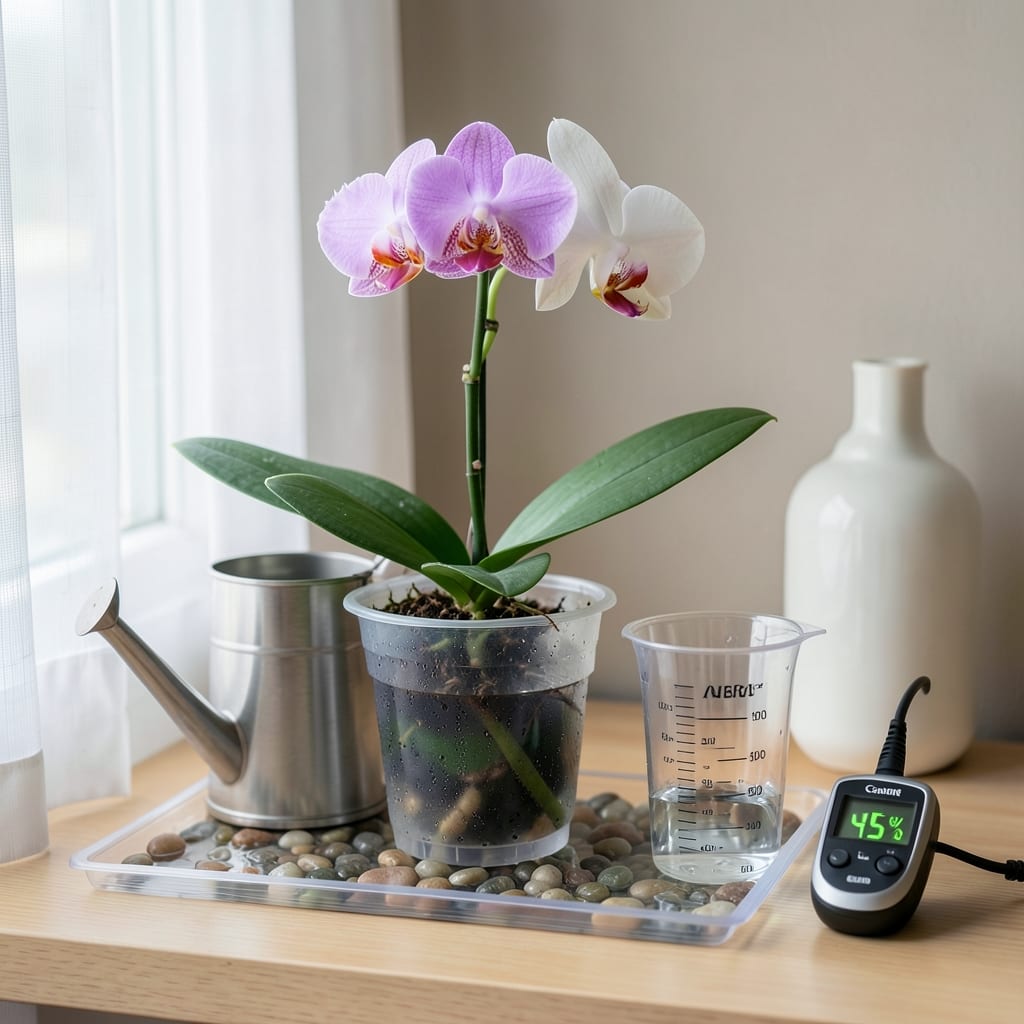
Mastering how often to water orchids in a dry environment is the difference between a thriving 🌸 and a struggling one. Unlike humid climates where orchids drink up moisture easily, dry air makes their watering needs trickier—too much and you risk root rot, too little and they’ll wilt faster than you’d expect.
I’ve learned the hard way that orchids in dry zones like yours don’t follow the same rules as their tropical cousins. The key isn’t just frequency—it’s understanding when their roots actually need hydration, not just sticking to a calendar. Let me show you how to read your orchid’s signals so you water with confidence, not guesswork.
We’ll break down the science-backed schedule, including how to adjust for seasonal changes and humidity fluctuations. You’ll discover the simple tricks to check soil moisture without overdoing it, plus how to spot the subtle signs your orchid is thirsty before it’s too late.
By the end, you’ll have a foolproof routine that keeps your orchids blooming beautifully year-round—no more second-guessing. Ready to give your plants the care they deserve? Let’s dive in.
Orchid watering frequency in dry environments: the science-backed schedule
Orchids in dry environments need a completely different approach than their tropical counterparts. The key difference is their root respiration—orchids absorb oxygen through their roots, and dry air forces them to drink water more efficiently. This means you’ll water less frequently but ensure each soak is thorough when you do.
In dry climates, I’ve found that orchids typically need water every 7 to 10 days, but this varies based on factors like pot size, humidity, and season. The goal is to mimic their natural epiphytic (tree-dwelling) habits where they get occasional heavy rains followed by dry periods.
Here’s the science-backed schedule I follow: water when the top inch of the potting mix feels dry to the touch. For most orchids in dry air, this translates to once every 7 to 14 days, depending on how quickly the mix dries out. Always water in the morning to allow excess moisture to evaporate during the day.
🌱
| Factor | Dry Environment Adjustment |
|---|---|
| Watering Frequency | Every 7-14 days (check soil moisture) |
| Best Time to Water | Morning (before 10 AM) |
| Watering Method | Deep soak until water drains |
| Humidity Compensation | Increase frequency by 2-3 days |
| Seasonal Adjustments | Winter: Every 10-14 days |
The weight test is my go-to method for determining when to water. Lift your orchid pot—if it feels noticeably lighter than usual, it’s time to water. This works especially well for Phalaenopsis orchids, which are common houseplants and thrive in dry environments when cared for properly.
Another trick I swear by is the leaf texture check. Healthy orchid leaves should feel plump and firm. If they start to feel wrinkled or leathery, that’s a clear sign your orchid needs water. This is especially important in dry climates where moisture evaporates quickly from the leaves.
For orchids in terracotta pots, I’ve noticed they dry out faster than plastic or glass containers. If your orchid is in terracotta, you may need to water every 5 to 7 days during peak summer months when evaporation rates are highest. Always use room-temperature water to avoid shocking the roots.
One common mistake I see is watering on a schedule rather than checking the plant’s actual needs. Orchids in dry environments can go longer between waterings than those in humid conditions, but they still need that deep soak to encourage healthy root growth. Aim to water until you see water running out of the drainage holes at the bottom of the pot.
During the winter months, when indoor heating kicks in and humidity drops, I reduce watering to every 10 to 14 days. This adjustment helps prevent root rot while still keeping the plant hydrated enough to survive the dry air. Always monitor your orchid’s response to these changes—if the leaves start to pucker, it’s time to water again.
Finally, remember that orchid roots need oxygen just as much as water. After watering, make sure your orchid’s pot has proper drainage and avoid letting it sit in standing water. This balance between hydration and aeration is what keeps your orchids thriving in even the driest environments.
☀️
Signs your orchid needs water (vs. overwatering) in dry climates
Dry environments throw orchid care into a tricky balance—too little water and they wilt, but too much causes root rot that’s nearly invisible until it’s too late. The key is learning to read your orchid’s subtle signals, especially in low-humidity conditions where moisture evaporates faster. I’ve trained myself to spot these differences by examining three critical areas: leaves, roots, and potting mix.
Start with the leaf texture test. Healthy orchid leaves should feel firm and slightly resilient when gently pressed. If they’ve become wrinkled or leathery like crumpled plastic wrap, your orchid is thirsty. In dry climates, this dehydration happens faster—sometimes within 3 to 5 days of the last watering, depending on pot material. For Phalaenopsis orchids, which are popular in dry homes, wrinkled leaves are the first warning sign.
🌱
💧 Your Orchid Needs Water When...
Press gently—healthy leaves spring back
Lift it—dry mix weighs significantly less
Healthy roots are green; thirsty roots dry out
⚠️ Overwatering Warning Signs
Starts at leaf tips, spreads inward
Press gently—shouldn’t feel squishy
Sign of bacterial/fungal growth
Don’t overlook the root inspection, which is especially critical in dry environments. Healthy orchid roots should be green or silvery-white when dry. If they’ve turned brown or black, overwatering is likely the culprit. In dry climates, roots dry out faster, so if you see silver-gray roots, it’s a sign your orchid needs hydration. Pro tip: Remove your orchid from its pot monthly to check root health—this prevents hidden rot from spreading.
The potting mix tells another story. Stick your finger 1 inch deep into the mix—if it feels completely dry, it’s time to water. In dry environments, the top layer may look dry while moisture lingers deeper, so always check below the surface. For bark-based mixes, which are common for orchids, this dryness happens faster than in peat-heavy mixes. If the mix stays clumpy and wet for more than 48 hours after watering, you’re overdoing it.
One mistake I see often is confusing thirsty leaves with sunburn. Both cause wrinkling, but sunburned leaves will have brown patches along the edges, while dehydrated leaves wrinkle evenly. In dry climates, orchids near south-facing windows are especially prone to this mix-up. Always check the underside of leaves first—if it’s dry and papery, water is the issue.
Seasonal changes also alter these signs. During winter months, when indoor heating dries the air further, orchids may show dehydration signs 2 days faster than in summer. I adjust my watering schedule by adding 2 extra days between waterings in winter to account for this. The key is to observe your orchid’s natural rhythm—if it consistently shows thirst signs earlier in winter, reduce frequency gradually.
Finally, pay attention to bloom health. Orchids that need water often droop slightly even before leaves wrinkle, especially during bud formation. If your orchid’s flowers start to lose rigidity or stems sag, it’s a late-stage warning. By then, you’ve likely missed the early signs, so keep a weekly watering log to track patterns and prevent this from happening.
🌿