
Orchid Care
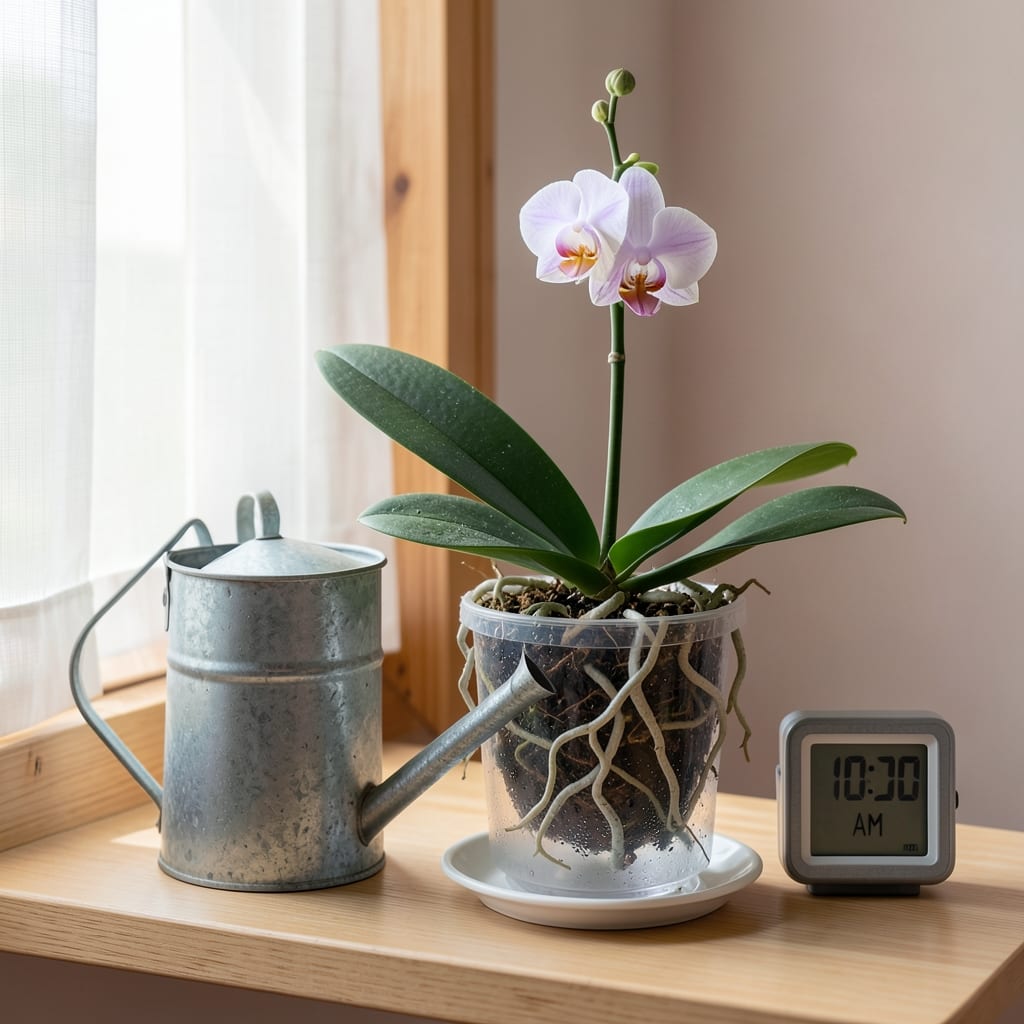
Mastering how often to water orchids in summer could mean the difference between a vibrant 🌸 blooming nonstop and one struggling to survive the heat. Summer’s intense sun and humidity throw off even the most experienced growers, but there’s a simple rhythm that keeps orchids thriving—when you know the right tricks.
Most gardeners overcomplicate watering, leading to either soggy roots or parched leaves. The truth? Orchids in summer need a predictable schedule that adapts to heat and humidity, not guesswork. I’ll break down the science behind the 3-day rule and how to tweak it for your specific orchid type, whether it’s a Phalaenopsis or a hardier Cattleya.
You’ll learn to spot the subtle signs of overwatering—like mushy roots—or underwatering, such as wrinkled leaves. By the end, you’ll confidently adjust your routine to match your orchid’s needs, ensuring it stays lush and blooming all season long.
No more second-guessing or wilting plants—just a foolproof system to keep your 🌸 happy, healthy, and ready for its next stunning display. Let’s dive into the details that make all the difference.
The 3-Day watering rule explained: when, how, and why it works
The 3-day watering rule is your orchid’s lifeline in summer—especially for Phalaenopsis orchids, the most common type. This schedule accounts for summer’s increased evaporation and higher humidity, ensuring roots stay hydrated without drowning. Think of it as a hydration rhythm: soak thoroughly, then let the roots breathe for 72 hours before repeating.
Here’s the science: Orchid roots need airflow to absorb oxygen, but they also crave moisture. Summer’s heat dries out pots faster, so sticking to a fixed 3-day cycle prevents both overwatering and dehydration. For example, if you water on Monday morning, repeat on Thursday—unless you notice wilting or mushy roots, which we’ll cover later.
Start by inspecting your orchid’s roots before watering. Healthy roots are green or silver-gray, firm to the touch. If they’re dark brown or mushy, you’ve overwatered; if they’re shriveled or wrinkled, it’s time to hydrate. This quick check saves orchids from summer stress.
When watering, soak the pot for 5–10 minutes until water drains freely from the bottom. Avoid misting as a primary method—it wets leaves but doesn’t reach roots. Place the pot in a sink or shallow tray filled with room-temperature water to mimic natural rainfall. This method ensures even hydration without soggy centers.
The 3-day rule works best in moderate humidity (40–60%), which is typical for most homes. However, if your home feels like a jungle (humidity over 70%), extend the cycle to 4–5 days. Conversely, in dry climates (humidity under 30%), you might need to water every 2 days. Use a hygrometer to track humidity—it’s a game-changer for orchid care.
🌱 Orchid Watering Summary Table
| Factor | Summer Adjustment | Signs to Watch |
|---|---|---|
| Watering Frequency | Every 3 days (adjust for humidity) | Wilting leaves or dry potting mix |
| Soaking Time | 5–10 minutes (until drainage) | Mushy roots or foul odor |
| Humidity Impact | High humidity? Extend to 4–5 days | Yellowing leaves or slow growth |
| Best Time to Water | Morning (before 10 AM) | Pests like fungus gnats |
✅ Pro Tip: Always water in the morning to reduce fungal risks from evening moisture.
Timing matters more than you think. Watering in the early morning (before 10 AM) gives roots time to dry slightly during the day, reducing the risk of root rot. Evening watering traps moisture in the pot overnight, creating a fungal paradise. If you’re a night owl, set a reminder for 7 AM—your orchid will thank you with longer blooms and healthier growth.
Don’t ignore your orchid’s potting mix. A high-quality orchid bark mix retains moisture without staying soggy, while cheap mixes compact and suffocate roots. Repot every 1–2 years to refresh the mix and trim dead roots. This simple step improves airflow and water drainage, making the 3-day rule even more effective.
Signs of overwatering include yellowing leaves, mushy pseudobulbs, or a rotten smell from the pot. If you spot these, stop watering immediately, remove the orchid from its pot, and let it dry in a shady spot for 2–3 days. For underwatering, wrinkled leaves or roots pulling away from the pot mean it’s time to hydrate—just follow the soaking method above.
Remember, the 3-day rule is a guideline, not a strict law. Your orchid’s needs may shift with temperature changes or humidity spikes. Keep a watering journal to track what works best for your specific plant. Over time, you’ll develop an intuition for when to adjust—whether that means watering every 2 days or stretching it to 4.
With this rule, your orchid will thrive in summer, blooming longer and brighter than ever before. The key is consistency, observation, and a little flexibility—just like any great gardening routine. 🌸
Summer-specific adjustments: humidity, heat zones, and orchid types
Not all orchids thrive equally in summer’s heat—Phalaenopsis orchids, for example, handle humidity better than Cattleya varieties, which need more airflow. The 3-day rule works as a baseline, but your orchid’s specific type and your local climate demand tweaks. Let’s break down how to adjust for humidity extremes, heat zones, and orchid varieties to keep your plants blooming beautifully.
In high-humidity zones (like Florida or tropical regions), orchids lose moisture slower, so extend the watering cycle to 4–5 days. The air feels damp, but the roots stay wet longer. Use a hygrometer to monitor levels—aim for 50–70% humidity. If your home feels like a greenhouse, reduce soaking time to 3–5 minutes and avoid misting, which can promote fungal growth on leaves.
For low-humidity climates (like desert areas), the opposite is true. Orchids dry out faster, so water every 2 days and consider daily misting in the morning. Place a humidity tray with pebbles and water under the pot to add moisture without overwatering. Cattleya orchids, in particular, appreciate this extra humidity boost in dry conditions.
🌱 Orchid Type Watering Guide
Phalaenopsis
Humidity: 40–60%
Watering: Every 3 days
Adjust: +1 day in humidity >70%
Cattleya
Humidity: 30–50%
Watering: Every 2–3 days
Adjust: -1 day in humidity <40%
Dendrobium
Humidity: 40–60%
Watering: Every 4–5 days
Adjust: Soak longer in heat waves
Heat zones also play a critical role. In Zone 9–11 (hot climates), orchids need shorter watering intervals and longer soaking times due to rapid evaporation. Move pots to shadier spots during peak heat (12–3 PM) to prevent leaf scorch. For Zone 3–6 (cooler summers), stick to the 3-day rule but reduce soaking to 5 minutes to avoid waterlogging.
Watch for wilting leaves or yellowing tips—these are red flags. Wilting often means underwatering, while yellowing can signal overwatering or nutrient burn from fertilizer. Flush the pot with room-temperature water to clean out excess salts if you suspect fertilizer issues. Always use rainwater or distilled water to avoid chlorine buildup, which stresses orchids.
Pro tip: Group orchids by type and care needs to streamline your routine. Place Phalaenopsis together in moderate humidity, and keep Cattleya in drier conditions. Rotate pots every few weeks to ensure even light exposure, which prevents one-sided growth or pale leaves. A little organization goes a long way in summer orchid care!
With these adjustments, your orchids will not only survive summer—they’ll thrive, blooming longer and more vibrantly than ever. The key is observation and flexibility, so don’t hesitate to tweak the schedule as needed. Happy growing! 🌸