
How To
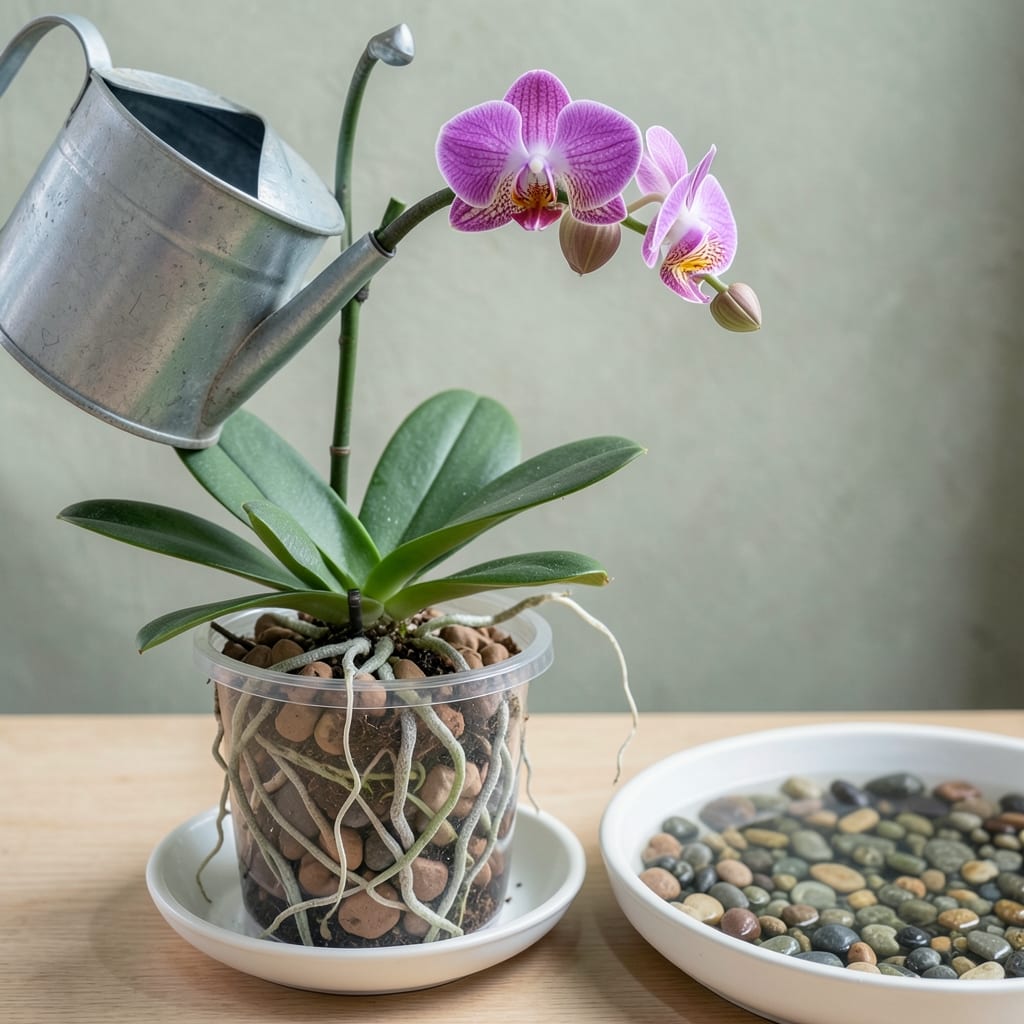
Mastering the art of watering orchids in clay pebbles isn’t about following a rigid schedule—it’s about understanding how often to water orchids in clay pebbles to keep their roots happy without drowning them. Too much water, and you’ll smother those delicate roots; too little, and your 🌸 will wilt faster than you can say "potting mix."
The 7-day rule isn’t just a random number—it’s a science-backed rhythm that works perfectly with clay pebbles. These porous little rocks drain faster than traditional media, but they also hold just enough moisture to keep orchids thriving. The trick? Learning to read your plant’s signals before your watering schedule becomes a guessing game.
Overwatering is the silent killer of orchids in pebbles, but underwatering can be just as deadly. I’ll show you exactly how to check moisture levels, spot the early warning signs of stress, and adjust your watering routine based on your home’s humidity and temperature. No more dead roots or sad, droopy leaves—just happy, blooming orchids that reward your attention.
Ready to transform your orchid care routine? Let’s dive into the game-changer that’ll keep your 🌸 flourishing year-round, no matter what season it is. Your orchid’s health starts with the right watering habits—and I’ve got the exact steps to make it effortless.
The 7-Day watering rule explained: why clay pebbles change everything
Clay pebbles aren’t just decorative—they’re a game-changer for orchid care. Unlike traditional potting mixes that hold moisture like a sponge, clay pebbles drain quickly while still providing enough hydration for orchid roots to thrive. This unique setup means your watering frequency shifts from weekly guesswork to a precise 7-day rhythm that aligns with your orchid’s natural needs.
The 7-day rule works because clay pebbles allow roots to breathe while delivering moisture exactly when needed. Unlike bark mix, which can stay damp for weeks, pebbles dry out faster—meaning you’ll water more frequently but with less risk of over-saturation. Think of it as a self-regulating system: the pebbles do half the work by controlling moisture levels, while you fine-tune the rest with smart watering habits.
Here’s the science: Orchid roots need oxygen as much as water. Clay pebbles create air pockets that prevent suffocation, while their porous nature ensures roots get hydration without drowning. When you water every 7 days, you’re mimicking the natural dry-wet cycles orchids experience in their native habitats—like tropical forests where roots cling to tree bark and absorb moisture from brief rain showers.
But here’s the catch: Your local climate and home’s humidity levels can throw off this rhythm. In dry, arid homes, you might need to water every 5-6 days, while humid environments could stretch that to 8-9 days. The key is learning to read your orchid’s signals before adjusting your schedule.
| Factor | Impact on Watering | Adjustment |
|---|---|---|
| Clay Pebble Size | Smaller pebbles dry faster; larger pebbles hold moisture longer | Water every 5-6 days for small pebbles; 8-9 days for large |
| Humidity Level | Low humidity (<40%) dries pebbles quickly; high humidity (>60%) slows drying | Increase frequency in dry air; decrease in humid conditions |
| Temperature | Warmer temps (above 80°F) increase evaporation; cooler temps slow drying | Water every 5-6 days in heat; extend to 9-10 days in cooler months |
| Pot Material | Terracotta wicks moisture; plastic traps heat and slows drying | Water terracotta every 6-7 days; plastic pots may need 8-10 days |
| Orchid Variety | Phalaenopsis (moth orchids) need consistent moisture; Cattleyas prefer drier spells | Stick to 7-day rule for Phalaenopsis; extend to 10 days for Cattleyas |
Let’s talk about the watering process itself. When it’s time to water, place your orchid’s pot in a shallow tray filled with room-temperature water for about 10-15 minutes. The pebbles will absorb moisture until they’re fully saturated—but not soggy. Drain any excess water immediately after, as standing water is a fast track to root rot. This method ensures even hydration without the risk of overwatering.
One of the biggest myths about orchids is that they need frequent watering. In reality, their roots are highly sensitive to rot when submerged for too long. Clay pebbles solve this by allowing roots to access moisture without constant wetness. The 7-day rule gives roots time to dry out slightly between waterings, which is crucial for preventing fungal infections and bacterial growth.
Pay attention to your orchid’s root color as a quick health check. Healthy roots in clay pebbles should be silver-green when dry and turn bright green when hydrated. If you see roots that stay dark or mushy, you’re overwatering. Conversely, wrinkled leaves or roots that look shriveled mean it’s time to water sooner than your 7-day schedule.
Seasonal changes also play a role. During summer months, when humidity drops and temperatures rise, you might need to water every 5-6 days. In winter, when indoor air is dry from heating systems, extend the cycle to 8-9 days. Always err on the side of underwatering if you’re unsure—orchids can bounce back from dehydration faster than they can recover from rot.
Pro tip: Use a digital hygrometer to monitor your home’s humidity levels. Aim for 40-70% humidity—any lower, and you’ll need to water more frequently; any higher, and you can stretch those 7 days. With this balance, your orchid will thrive year-round, blooming like it’s on a tropical vacation instead of your windowsill. 🌸
How to test your orchid’s hydration level (without guessing)
Testing your orchid’s hydration level in clay pebbles is simpler than you think—and it eliminates the guesswork that leads to overwatering or underwatering. The key is combining visual cues, tactile checks, and understanding how clay pebbles behave when dry or wet. Unlike traditional potting mixes, pebbles don’t hold moisture visibly, so you’ll need to rely on subtle signals your orchid sends through its roots and leaves.
Start with the finger test, the most reliable method for clay pebble setups. Stick your finger about 1 inch deep into the pebbles. If the top layer feels completely dry, it’s time to water. If moisture lingers even 1 inch down, wait another day or two. This test works because clay pebbles dry out evenly from the top, unlike bark mix, which can stay damp deeper down.
Next, check your orchid’s root color—this is your instant hydration report card. Healthy roots in clay pebbles should appear silver-green when dry and transition to a bright green when hydrated. If roots stay dark or develop a black or mushy texture, you’re overwatering. Conversely, if roots look shriveled or papery, it’s a cry for water. This color shift happens because orchid roots absorb moisture through their cells, and clay pebbles speed up this process compared to other media.
- 👆 Finger Test: Insert finger 1 inch deep—dry at surface = water now.
- 🌱 Root Color: Silver-green (dry) → Bright green (hydrated); black = rot.
- ⚖️ Pot Weight: Lift pot—light = needs water; heavy = wait 1-2 more days.
- 🌡️ Leaf Texture: Wrinkled = thirsty; soft/mushy = overwatered.
- 💧 Drainage Check: After watering, excess should drain within 10 minutes.
Don’t overlook the weight test, which is surprisingly accurate. Lift your orchid’s pot—if it feels light as a feather, the pebbles are bone-dry and ready for water. If it’s surprisingly heavy, hold off for another day or two. This works because clay pebbles absorb water quickly but release it gradually, so the pot’s weight reflects the moisture balance. Pro tip: Weigh your pot before and after watering to get a baseline for what “dry” feels like in your specific setup.
Seasonal adjustments are critical here. In summer heat, clay pebbles dry out faster, so you might need to water every 5-6 days even if your roots look hydrated. In winter months, when indoor air is dry from heating, extend the cycle to 8-9 days. Pay attention to your home’s humidity levels: below 40% means more frequent watering, while above 60% lets you stretch those 7 days. A hygrometer ($10 at hardware stores) takes the guesswork out of this entirely.
Finally, watch for leaf signals that often appear before root changes. Wrinkled or thickened leaves are a classic sign of thirst, while yellowing or soft leaves mean you’ve overdone it. Orchids in clay pebbles are forgiving if caught early—just adjust your schedule based on these cues. For example, if your leaves wrinkle by day 5 of your 7-day cycle, shorten it to 6 days until you find the sweet spot for your environment.
Remember: The 7-day rule is a starting point, not a rigid law. Your orchid’s hydration needs will evolve with temperature shifts, humidity changes, and even its growth stage. By mastering these tests, you’ll water with confidence—no more drowned roots or parched leaves, just happy, blooming orchids that thrive in their clay pebble haven. 🌸