
Size
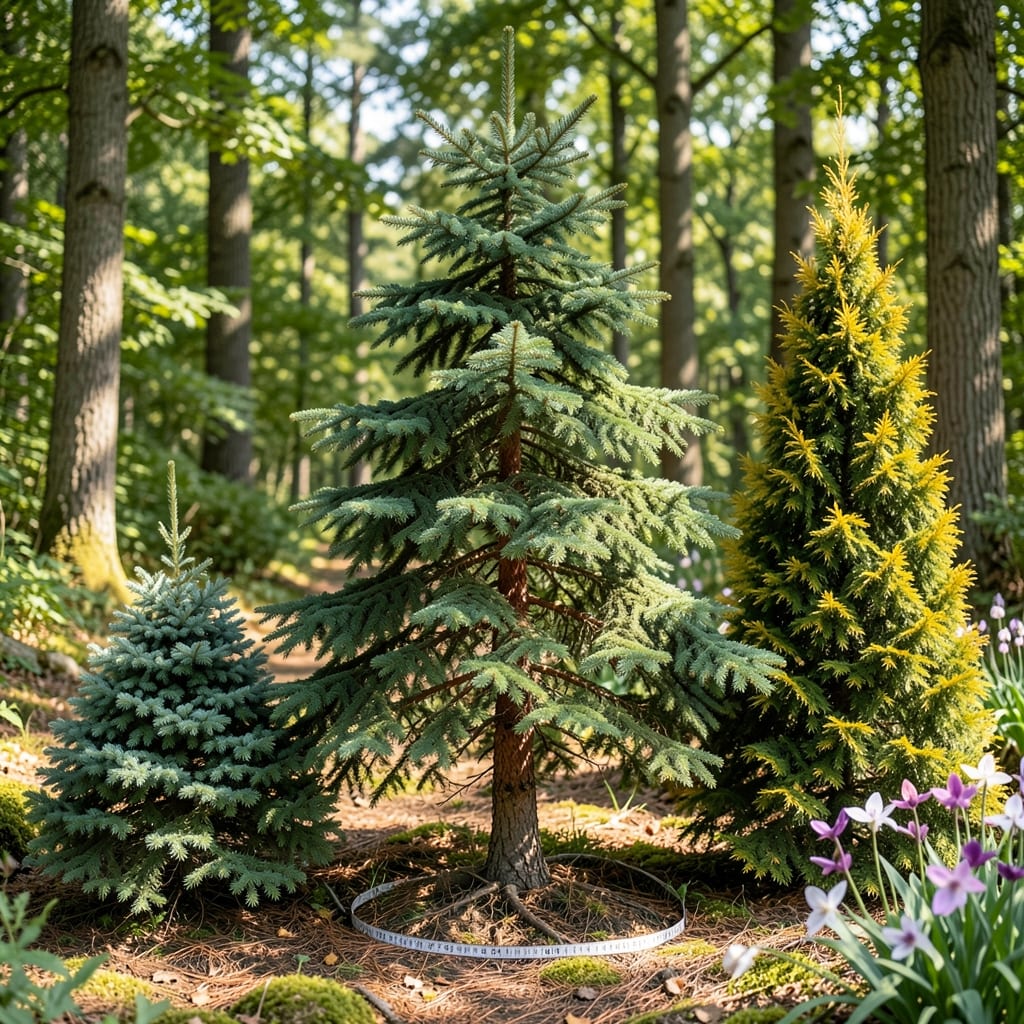
If you're wondering how tall arborvitae grow, the answer depends entirely on the variety you choose—because some 🌲 arborvitae stay compact at just 3 feet, while others stretch to towering heights of 40 feet or more.
This dramatic difference means picking the right type for your space is the key to avoiding overgrown hedges or underwhelming screens. Whether you're planning a cozy 6-foot privacy screen or a dramatic 30-foot windbreak, knowing the growth potential of each cultivar will save you time, money, and frustration down the road.
In this guide, I’ll break down the exact height ranges for popular arborvitae varieties—from dwarf options perfect for small gardens to giants that belong in large landscapes. You’ll also discover how factors like sunlight, soil, and pruning can influence their growth rate, so you can tailor your care routine for the perfect 🌲 fit.
Ready to make an informed choice? Let’s dive into the specifics so you can plant with confidence and enjoy your arborvitae for years to come.


Arborvitae height by variety: from dwarf to giant trees
Arborvitae trees come in a stunning range of sizes, from compact dwarf varieties perfect for small gardens to towering giants that dominate large landscapes. The mature height of your arborvitae depends entirely on the specific variety you choose, with some reaching over 40 feet while others stay under 6 feet—making selection critical for your design goals.
For privacy screens, you’ll likely want semi-dwarf or standard varieties that grow 10–25 feet tall, while specimen trees often require the tallest cultivars to make a bold statement. Even dwarf arborvitae can be shaped into stunning topiaries or hedges, proving that size isn’t the only factor in their appeal.
Thuja occidentalis (American arborvitae) and Thuja plicata (Western redcedar) are the two most common species, each with dozens of cultivars tailored to different spaces. Below, I’ve organized the most popular varieties by height category—dwarf, semi-dwarf, and standard—to help you visualize their potential in your landscape.
| Variety | Mature Height (ft) | Growth Rate (in/yr) | Best For |
|---|---|---|---|
| Emerald Green | 12–15 ft | 6–12 in | Privacy screens, hedges |
| Green Giant | 30–40 ft | 36–48 in | Windbreaks, large landscapes |
| Teddy Bear | 3–5 ft | 4–6 in | Borders, containers, topiaries |
| Little Giant | 10–12 ft | 12–18 in | Small yards, mixed borders |
| American Arborvitae (wild type) | 40–60 ft | 24–36 in | Woodland specimens, large properties |
| Golden Globe | 3–4 ft | 3–6 in | Accents, foundation plantings |
| Brabant | 15–20 ft | 12–18 in | Formal hedges, tall screens |
| Yellow Ribbon | 3–4 ft | 6–12 in | Color accents, small spaces |
When selecting an arborvitae, consider not just its mature height but also its spread—some varieties like Green Giant grow 10–15 feet wide, while Teddy Bear stays compact at 3–4 feet wide. This width-to-height ratio is crucial for calculating how many plants you’ll need for a privacy hedge or windbreak.
For example, if you’re planting a 10-foot-tall hedge along a 20-foot fence, you’ll need about 3–4 plants spaced 5–6 feet apart. Always leave extra space for root expansion and future growth, especially with faster-growing varieties like Green Giant, which can add 3–4 feet per year in ideal conditions.
Another key factor is soil and sunlight. Arborvitae thrive in well-draining, slightly acidic soil with 6+ hours of sunlight daily, but some varieties tolerate partial shade better than others. For instance, Emerald Green handles shade well, making it ideal for north-facing yards, while Green Giant prefers full sun to reach its maximum height.
If you’re unsure which variety fits your space, start with semi-dwarf options like Little Giant or Brabant—they offer a balance of height and manageability while still providing excellent privacy. For small gardens, dwarf varieties like Golden Globe or Teddy Bear are game-changers, delivering year-round color without overwhelming your landscape.
Pro tip: Always check the USDA hardiness zone for your variety—most arborvitae thrive in zones 3–7, but Thuja pl
How fast arborvitae grow: height projections by year
Understanding how quickly arborvitae grow helps you plan for their mature height and landscape impact. Most varieties grow 6–12 inches per year, but this varies by species, sunlight, and care. For example, Green Giant arborvitae can add 2–3 feet annually, while dwarf varieties like Teddy Bear grow just 2–4 inches per year. Your climate and soil quality also play a big role in their growth speed.
If you're planting arborvitae for a privacy screen, knowing their annual growth rate helps you estimate when they’ll reach your desired height. For instance, a 10-foot tall hedge might take 5–10 years depending on the variety and growing conditions. Let’s break down how different arborvitae grow over time and what factors speed up or slow down their height gains.
📊 Arborvitae Growth Projections by Year
Note: Fast-growing varieties (e.g., Green Giant) reach heights quicker than slow-growing dwarf types (e.g., Emerald Green).
Sunlight is one of the biggest factors influencing how fast your arborvitae grow. Full sun exposure (6+ hours daily) encourages faster growth, while partial shade can slow it down by 20–30%. For example, a Green Giant in full sun might grow 3 feet per year, but in partial shade, it could only grow 1–2 feet annually. Always plant them in a location that matches their sunlight needs to avoid stunted growth.
Soil quality also affects growth speed. Arborvitae thrive in well-draining, slightly acidic soil (pH 6.0–7.0). If your soil is clay-heavy or compacted, their roots struggle to absorb nutrients, slowing height gains. Amending the soil with compost or organic matter before planting can boost growth by up to 50% in the first few years. Regular fertilization in early spring also helps maintain steady growth.
Watering plays a critical role, especially in the first 2–3 years after planting. Young arborvitae need deep watering once a week to establish strong root systems. Once established, they tolerate drought conditions better, but consistent moisture still supports faster growth. Avoid overwatering, as soggy soil can lead to root rot and stunt height gains.
With the right care, your arborvitae can reach their mature height faster and stay healthier. For example, a 15-foot tall Emerald Green might take 10 years to mature, while a 30-foot Green Giant could reach full height in 15–20 years. Plan ahead by spacing them correctly and providing optimal growing conditions to enjoy their full potential.