
Trees
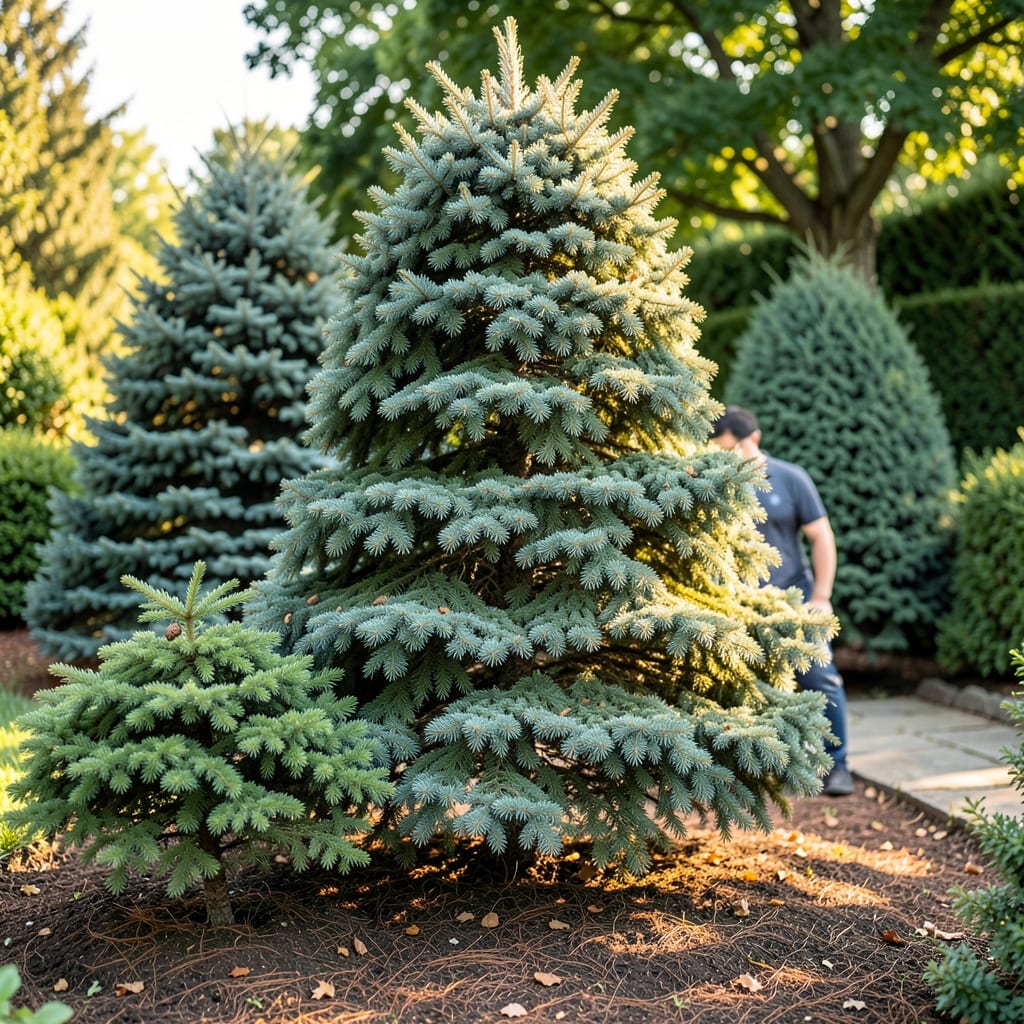
If you're planning your landscape and wondering "how tall do arborvitae trees grow", the answer depends entirely on the variety you choose—and your patience. Some stay compact enough for small yards, while others can reach the height of a 3-story building over time. The good news? With the right spacing and care, you can control their growth to match your vision.
Arborvitae trees like the Green Giant can soar up to 60 feet, making them perfect for privacy screens or towering focal points. But if you're working with limited space, dwarf varieties like Emerald Green top out at just 12 feet, ideal for hedges or container gardening. The key is understanding each type's natural growth rate and how pruning can shape their height over time.
For gardeners in Zone 6a, where spring planting is ideal, spacing is everything. Planting too close can stunt growth, while giving them room to breathe ensures they reach their full potential. Whether you're aiming for a tall privacy wall or a neatly trimmed hedge, knowing the right variety and spacing will save you headaches down the road.
Ready to make the best choice for your landscape? Let’s break down the exact heights by variety and the care tips that keep them thriving—no guesswork required.

Arborvitae height by variety: from dwarf to giant trees
Arborvitae trees are famous for their versatile heights, ranging from compact dwarf varieties to towering giants. The species and cultivar you choose determines whether your arborvitae will stay under 3 feet or stretch toward the sky. For example, the Emerald Green stays neatly at 12-15 feet tall, while the Green Giant can reach 40-50 feet—taller than a basketball hoop! Understanding these differences helps you plan your landscape perfectly.
Most arborvitae grow 1-2 feet per year, but some dwarf varieties grow just 2-4 inches annually. This means a 3-foot dwarf arborvitae might take 10+ years to reach maturity, while a standard variety could double in height in the same time. The key is selecting the right type for your space and vision. Whether you need a privacy hedge or a focal point tree, the variety makes all the difference.
Here’s a quick height comparison to help you visualize:
| Variety | Mature Height (ft) | Growth Rate (ft/year) | Best For |
|---|---|---|---|
| Dwarf Arborvitae (e.g., 'Compacta') | 3-6 | 0.1-0.2 | Containers, small gardens |
| Emerald Green (Thuja occidentalis) | 12-15 | 1-2 | Hedges, privacy screens |
| American Plumosa (Thuja occidentalis) | 3-5 | 0.2-0.4 | Bonsai, small spaces |
| Green Giant (Thuja plicata) | 40-50 | 2-3 | Large landscapes, specimen trees |
| Little Giant (Thuja occidentalis) | 10-12 | 1-1.5 | Medium hedges, borders |
| Sunkist (Thuja occidentalis) | 10-15 | 1-2 | Color accents, hedges |
If you’re planning a hedge, spacing is critical. For Emerald Green, plant trees 3-4 feet apart for a dense, uniform look. For Green Giant, give them 10+ feet of space to avoid crowding. Dwarf varieties like 'Compacta' can even thrive in containers, making them perfect for patios or balconies.
One common mistake is assuming all arborvitae grow the same. For instance, the Western Red Cedar (a close relative) can reach 60+ feet, while many arborvitae max out at 40 feet. Always check the cultivar name before planting to avoid surprises. Pro tip: Read the tag at the nursery—it lists mature height and growth rate!
For fast-growing privacy, the Green Giant is unbeatable, but it needs space. If your yard is small or urban, opt for dwarf or semi-dwarf varieties like 'Little Giant' or 'Sunkist'. These stay manageable while still offering year-round greenery. Just remember: patience is key—even fast growers take years to reach their full height.
Another factor is climate and soil. Arborvitae thrive in USDA Zones 3-7, but their height can vary slightly based on local conditions. For example, trees in cooler climates may grow slower but live longer, while those in warmer zones might grow faster but need more water. Always amend your soil with compost to ensure healthy growth from the start.
If you’re new to arborvitae, start with a smaller variety like 'Emerald Green' to practice pruning and care. Once you’re comfortable, you can graduate to larger varieties. Just remember: pruning too late in the season can stunt growth, so time your cuts right for the best results.
For maximum height control, consider regular pruning in early spring. This encourages bushier growth and prevents your arborvitae from becoming too leggy. And if you’re planting near power lines, always choose a dwarf or semi-dwarf variety to avoid future headaches.
How pruning and care affect arborvitae growth height
Pruning your arborvitae isn’t just about shaping—it’s a powerful tool to control height. When done correctly, pruning can reduce vertical growth by up to 30%, keeping your tree manageable while encouraging fuller, bushier foliage. The key is timing: prune in early spring (March-April) before new growth begins. This gives your arborvitae time to recover before summer heat sets in. Avoid heavy pruning in late summer or fall, as this can stunt growth or leave your tree vulnerable to disease.
There are two main pruning techniques for height control: tip pruning and crown thinning. Tip pruning involves trimming the topmost branches to slow vertical growth. This is ideal for dwarf varieties like 'Compacta' or 'American Plumosa,' where you want to maintain a compact shape. Crown thinning, on the other hand, removes select branches from within the canopy to improve airflow and light penetration, which can actually encourage upward growth in some cases. For taller varieties like Green Giant, a combination of both methods works best.
Here’s what happens when you prune wrong—and how to avoid it:
- Pruning too late (after July) can cause stunted growth or brown tips.
- Over-pruning (removing >30% of foliage at once) stresses the tree and slows recovery.
- Using dull tools tears branches, leading to disease entry points.
- Ignoring branch structure can create uneven growth or weak branches.
Another critical factor is planting location. Arborvitae planted in full sun (6+ hours daily) grow 10-20% taller than those in partial shade. If you’re aiming for a shorter tree, plant it where it receives morning sun and afternoon shade. For example, placing a Green Giant on the north side of your property can naturally limit its height by 5-10 feet compared to a south-facing location. Just be mindful of root competition—arborvitae need 3-6 feet of space from other trees to avoid stunted growth.
Soil and water also play a surprising role in height control. Arborvitae thrive in well-draining, slightly acidic soil (pH 6.0-7.0). If your soil is clay-heavy or compacted, roots struggle to absorb nutrients, leading to slower vertical growth. Amend the soil with compost or peat moss before planting to encourage healthy root development. Overwatering, however, can promote leggy growth—stick to deep watering 1-2 times per week during the first year, then reduce to weekly deep soaks once established. Mulching with 3 inches of wood chips helps retain moisture while keeping roots cool.
For maximum height control, combine pruning with fertilizer strategies. A balanced 10-10-10 fertilizer applied in early spring encourages balanced growth, while high-nitrogen fertilizers can lead to excessive vertical shoots. If your arborvitae is growing too tall too fast, switch to a low-nitrogen, high-phosphorus fertilizer to promote root development over top growth. And remember: patience pays off. Even fast-growing varieties like Green Giant take 10-15 years to reach their full height—so plan accordingly!
If you’re dealing with an overgrown arborvitae, don’t panic. You can gradually reduce height by pruning no more than 25% of the canopy per year. For example, if your 15-foot 'Emerald Green' has outgrown its space, trim 3-4 feet off the top in the first year, then 1-2 feet annually until you reach your desired height. Always prune just above a leaf node (the bump where branches meet) to encourage new growth. And if you’re unsure, consult a certified arborist—they can assess your tree’s health and suggest a custom pruning plan tailored to your goals.