
How To
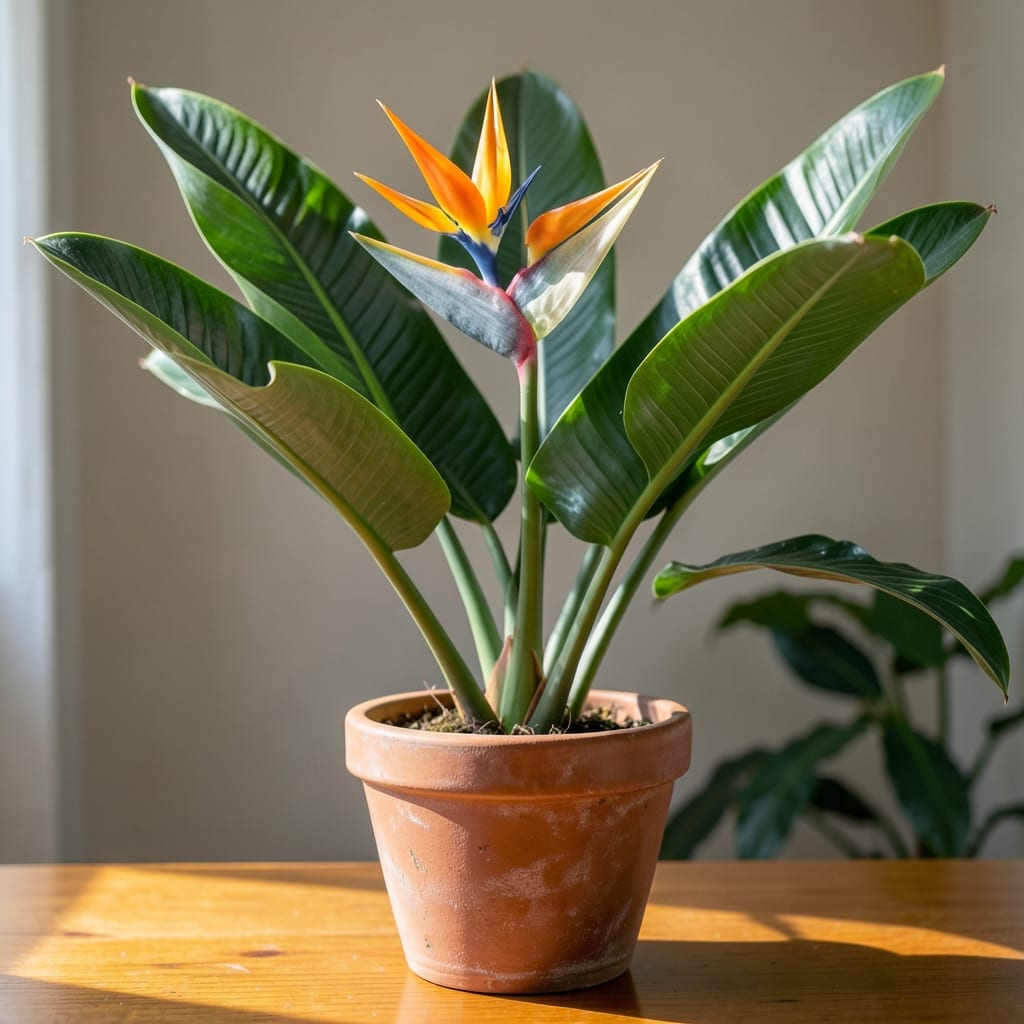
If you’ve ever wondered how tall Bird of Paradise 🌺 can grow, you’re in for a pleasant surprise—this tropical beauty isn’t just stunning, but it also offers a range of sizes to fit any space, from cozy balconies to sprawling gardens.
Picture this: one variety reaching 12 feet like a lush palm tree, while another stays compact enough for a large container. The key lies in understanding each type’s growth habits and how to nurture them for optimal height. Whether you’re dreaming of a dramatic focal point or a manageable houseplant, I’ll break down everything you need to know.
We’ll explore the height differences between popular varieties like Strelitzia reginae and Strelitzia nicolai, plus how sunlight, soil, and pruning can influence their growth. Ready to transform your garden—or indoor jungle—with this versatile plant?
The best part? With the right care, you can control its size, ensuring it thrives whether you want a towering giant or a more modest addition. Let’s dive into the details so you can make the most of your Bird of Paradise!


Bird of Paradise height by variety: from compact to towering giants
When it comes to Bird of Paradise height, you’ll find a fascinating range—some varieties grow like towering trees, while others stay manageable for containers. The most iconic, Strelitzia reginae, typically reaches 6 to 8 feet tall with a 3 to 5-foot spread, making it perfect for mid-sized gardens or as a dramatic patio centerpiece.
If you’re eyeing a taller tropical statement, look no further than Strelitzia nicolai. This variety can soar to 12 feet or more, with a wide, banana-like foliage that creates a lush, almost jungle-like appearance. It’s the giant of the group and thrives in spacious landscapes or near pools.
For those with limited space, Strelitzia juncea offers a slender, upright form that grows 8 to 10 feet tall but stays narrower—ideal for narrow gardens or as a vertical accent. Meanwhile, Strelitzia caudata is a compact powerhouse, reaching 6 to 8 feet but with a denser, bushier habit that works well in containers or small yards.
Each variety’s growth rate also varies. Strelitzia reginae grows about 12 to 18 inches per year, while Strelitzia nicolai can add 2 to 3 feet annually under ideal conditions. Understanding these differences helps you choose the right type for your space and care goals.
🌱
| Variety | Mature Height | Spread | Growth Rate | Best For |
|---|---|---|---|---|
| Strelitzia reginae | 6–8 ft | 3–5 ft | 12–18 in/year | Mid-sized gardens, containers |
| Strelitzia nicolai | 10–12+ ft | 6–8 ft | 2–3 ft/year | Large landscapes, tropical themes |
| Strelitzia juncea | 8–10 ft | 2–3 ft | 12–18 in/year | Narrow gardens, vertical accents |
| Strelitzia caudata | 6–8 ft | 4–6 ft | 10–14 in/year | Containers, small yards |
What’s fascinating is how growth habits differ even within the same variety. For example, Strelitzia reginae grown in full sun will naturally reach its maximum height, while partial shade can stunt its growth by 20–30%. Similarly, Strelitzia nicolai thrives in humid climates but may grow slower in dry, arid regions unless given extra care.
If you’re considering a container-grown Bird of Paradise, choose dwarf varieties or prune aggressively to keep it under 5 feet. Containers limit root growth, so opt for large pots (20+ gallons) and well-draining soil to prevent root-bound stunting. I’ve seen Strelitzia reginae in 30-gallon pots reach 4 to 5 feet tall with proper care!
Another factor is indoor vs. outdoor growth. Bird of Paradise plants grown indoors (like Strelitzia reginae near a south-facing window) will grow slower and smaller—typically 3 to 5 feet—due to limited sunlight. To encourage height, supplement with a grow light for 12–14 hours daily during winter months.
🌿
How to control Bird of Paradise height: pruning techniques for different growth habits
Pruning your Bird of Paradise isn’t just about keeping it tidy—it’s a powerful way to control height and encourage bushier growth. Since varieties like Strelitzia nicolai can grow 12 feet tall or more, strategic pruning helps manage their size while promoting healthier foliage. The key is understanding when and how to prune based on your plant’s growth habits.
For taller varieties like Strelitzia nicolai or Strelitzia juncea, focus on height reduction pruning in early spring before new growth begins. This involves cutting back overgrown fronds by one-third to half their length. Use clean, sharp pruners or a pruning saw for thicker stems, and always make cuts just above a leaf node to encourage new shoots.
🌱
Step-by-Step Pruning Guide
- Step 1: Identify dead or damaged fronds—remove these first to prevent disease.
- Step 2: Prune in early spring (March-April) for best regrowth.
- Step 3: Cut at a 45-degree angle above a leaf node for taller varieties.
- Step 4: Reduce height by 1/3 for compact growth in containers.
- Step 5: Apply mulch after pruning to retain moisture.
For compact varieties like Strelitzia caudata or Strelitzia reginae in containers, pruning serves a different purpose—it encourages bushier growth and prevents legginess. Instead of cutting back height, focus on pinching back the tips of new shoots to promote branching. This works best when your plant is 6 to 12 months old and has established a sturdy base.
Timing is everything! Prune taller varieties in early spring to give them time to recover before summer heat. For container-grown plants, light pruning can happen throughout the growing season to maintain shape, but avoid heavy cuts in late summer or fall, as this can stunt new growth before winter dormancy.
One common mistake is pruning too late in the season, which can leave your plant vulnerable to cold damage or pests. Always prune at least 6 weeks before the first frost in your area. If you live in USDA Zone 6 or colder, consider bringing container-grown plants indoors after pruning to protect them during winter.
After pruning, your Bird of Paradise will need extra care to bounce back. Increase watering slightly for the first 2–3 weeks to support new growth, and apply a balanced fertilizer (like 6-10-10) to encourage recovery. I’ve seen pruned plants in 30-gallon containers regrow 12–18 inches in just one growing season with proper aftercare!
✂️