
How To
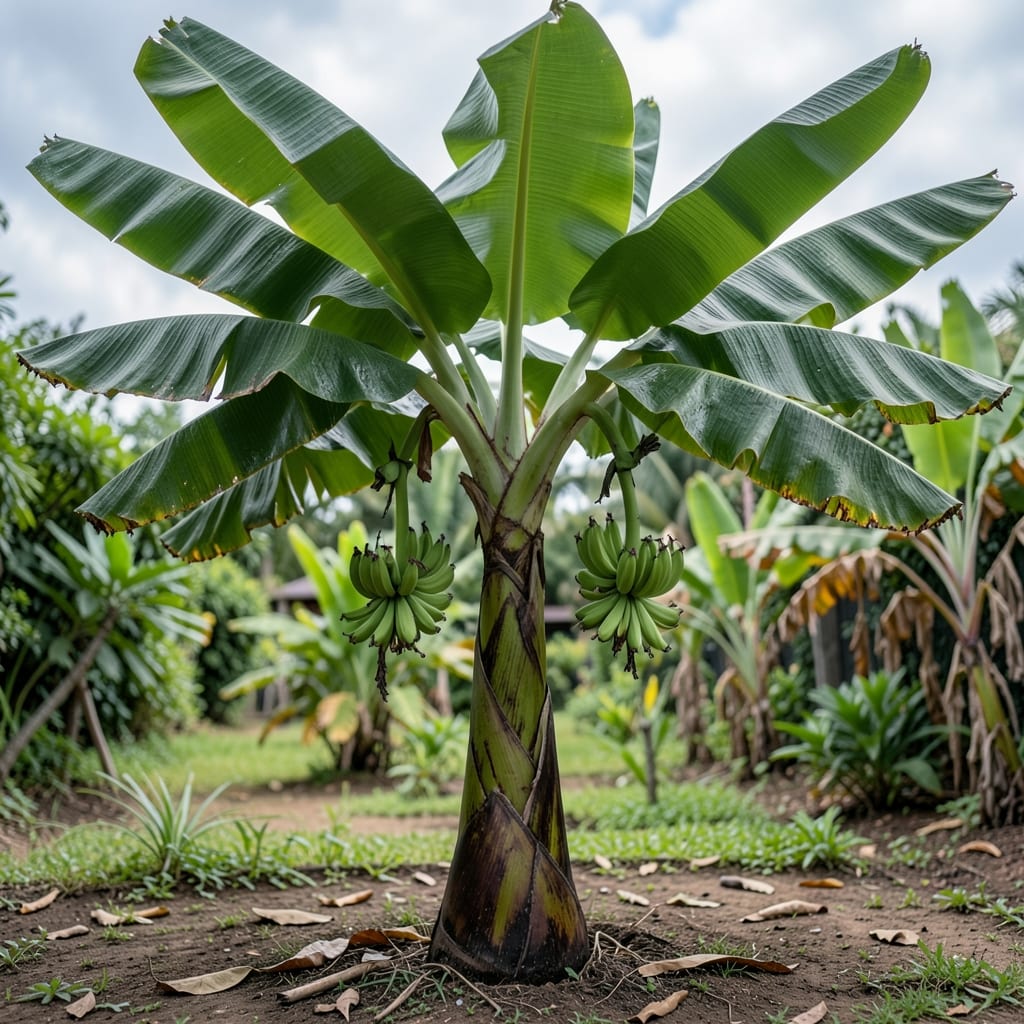
If you’ve ever wondered how tall a banana tree 🍌 can grow, the answer might surprise you—some varieties stretch taller than a three-story building, while others stay perfectly manageable for small gardens. The height of your banana tree isn’t just about luck; it’s a mix of genetics, climate, and care that determines whether you’re dealing with a towering tropical giant or a compact houseplant-sized variety.
Picture this: a 30-foot banana tree reaching for the sky in a tropical paradise versus a dwarf Cavendish barely clearing your waist in a city balcony. The difference comes down to the variety you choose and the conditions you provide. Whether you’re dreaming of a lush backyard jungle or a low-maintenance patio plant, understanding these factors is the key to getting the perfect-sized banana tree for your space.
But here’s the exciting part—you can actually influence how tall your banana tree grows. With the right pruning techniques, soil prep, and even strategic variety selection, you can keep a giant under control or coax a compact variety into reaching its full potential. Let’s break down what determines a banana tree’s height and how you can shape its growth to fit your garden perfectly.
From dwarf varieties that thrive in containers to commercial giants that need plenty of space, we’ll cover everything you need to know. Whether you’re a seasoned gardener or a beginner with a green thumb, these insights will help you grow the ideal banana tree—no matter how tall (or short) you want it to be.


Banana tree height by variety: dwarf to giant species compared
Banana trees come in a stunning range of heights, from petite varieties perfect for container gardening to towering giants that dominate tropical landscapes. The height of your banana tree starts with the variety you choose, as genetics play the biggest role in determining whether your plant will reach 30 feet or stay under 10 feet. Let’s explore the most popular types and their mature heights so you can pick the perfect fit for your space.
The Dwarf Cavendish, a favorite among home gardeners, typically matures between 8 to 12 feet, making it ideal for patios and small yards. Its compact size and quick growth (producing fruit in as little as 9 months) make it a top choice for beginners. Meanwhile, the Lady Finger variety grows slightly taller, reaching 15 to 20 feet, while still being manageable in suburban gardens with proper care.
For those with spacious yards or tropical climates, the Musa acuminata and its wild relatives can soar to 20 to 30 feet or even taller. These giants are the ones you’ll see in banana plantations, where their massive trunks and broad leaves create a dramatic skyline. Even in urban settings, some ornamental banana varieties, like the Red Dacca, can reach 25 feet with striking red fruit and vibrant foliage.
🌱
If you’re growing bananas in cooler climates, like Zone 9b, the Bluggoe variety is a fantastic choice. It matures between 12 to 18 feet and is one of the few banana types that can tolerate light frosts, making it perfect for transition zones between tropical and temperate regions. Its larger, sweet fruit is a bonus for gardeners who want both ornamental beauty and a harvestable crop.
For indoor gardening, some micro varieties, like the Sisalana (also called the "Ice Cream" banana), stay under 10 feet and thrive in large pots. These smaller types are great for apartment dwellers who want the tropical look without the space commitment. Just ensure they get plenty of sunlight and humidity to mimic their natural habitat.
🪴
When selecting a variety, consider not just height but also fruit size, taste, and hardiness. For example, the Lady Finger produces small, sweet bananas perfect for snacking, while the Musa acuminata yields larger fruit but requires more space. If you’re new to growing bananas, starting with a dwarf variety lets you experiment with care techniques before committing to a towering giant.
💡
Remember, even within a variety, individual plants can vary in height due to growing conditions. A Dwarf Cavendish in a rich, tropical climate might grow taller than one in a container with limited nutrients. The good news? With the right care, you can encourage your banana tree to reach its full potential—or keep it compact—depending on your goals.
What determines how tall a banana tree grows: key factors explained
While choosing the right banana variety sets the foundation for height, several environmental factors can push your tree toward its maximum potential—or keep it compact. The most critical elements are climate conditions, soil quality, and sunlight exposure, all working together to influence growth. Let’s break down how each factor plays a role in determining whether your banana tree will stretch toward the sky or stay manageable in a container.
Your banana tree’s climate zone is the single biggest determinant of height. In USDA Zones 10-12, where temperatures stay warm year-round, banana trees can grow 20-30 feet or taller with ideal conditions. The heat and humidity in these zones mimic the tropical environments where banana trees evolved, allowing them to reach their genetic height potential. Even in Zone 9b, with proper winter protection, varieties like Bluggoe can still mature at 12-18 feet.
🌡️
The soil composition directly affects how tall your banana tree grows. Banana trees thrive in well-draining, nutrient-rich soil with a slightly acidic to neutral pH (6.0-7.0). If your soil is clay-heavy or compacted, roots struggle to expand, limiting the tree’s ability to reach its full height. Amending your soil with compost or organic matter creates the ideal environment for rapid growth. In container gardening, using a lightweight potting mix with perlite prevents root-bound stress that could stunt height.
Sunlight exposure is another critical factor—banana trees need at least 6 hours of direct sunlight daily to grow to their maximum potential. In shady conditions, growth slows significantly, and the tree may stay under 10 feet even if it’s a tall variety. However, in hot desert climates, some afternoon shade helps prevent stress while still allowing sufficient light for growth. Position your banana tree where it gets morning sun and afternoon shade for optimal height development.
🌞
Watering practices also play a surprising role in height. Banana trees are thirsty plants that need consistent moisture to fuel rapid growth. During active growing seasons, watering every 2-3 days (or daily in extreme heat) ensures the tree can reach its full height potential. However, overwatering or poor drainage can lead to root rot, which stunts growth entirely. Always use well-draining soil and water deeply rather than frequently to encourage strong root development that supports taller growth.
Finally, fertilization strategy makes a noticeable difference in height. Banana trees respond best to a balanced fertilizer with high potassium (like 6-6-6 or 8-3-9) applied every 4-6 weeks during the growing season. Potassium helps strengthen stems, allowing the tree to support its own weight as it grows taller. Avoid heavy nitrogen fertilizers, which promote leafy growth at the expense of stem strength and height.
🌱