
Trees
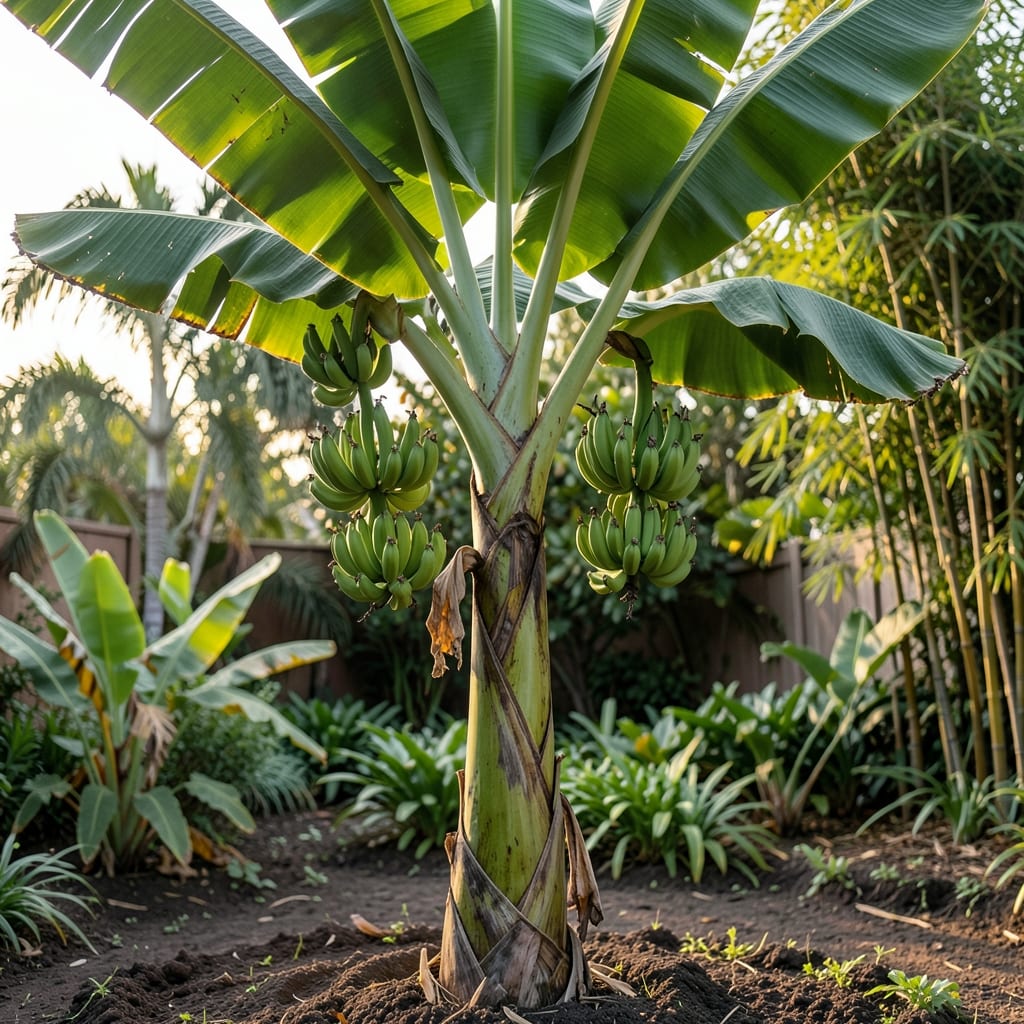
Ever wondered how tall a banana tree can grow? The answer might surprise you—some varieties stretch over 30 feet, while others stay compact enough for small gardens. If you're dreaming of a tropical oasis or just curious about 🍌 banana tree growth, understanding these differences is key to picking the perfect variety for your space and climate.
Banana trees aren’t just one-size-fits-all—they range from dwarf varieties barely reaching your waist to towering giants that dwarf two-story houses. Whether you're in USDA Zone 6a or a warmer region, knowing which type thrives where can mean the difference between a thriving plant and a struggling one. Let’s break down the heights you can expect and what influences their growth.
Giant banana trees like the Gros Michel or Cavendish can reach staggering heights, but they need the right conditions to flourish. On the other hand, dwarf varieties like the Lady Finger stay manageable while still producing delicious fruit. The secret to getting the most out of your banana tree lies in understanding its needs—from sunlight and soil to watering and pruning.
Ready to grow your own? I’ll show you how to choose the right variety, optimize growth, and even work with limited space. Whether you're a seasoned gardener or just starting out, these tips will help you cultivate a banana tree that’s just the right size for you.

Banana tree height by variety: from dwarf to giant species explained
Banana trees are fascinating plants with dramatic height variations depending on the variety. While some tower over your home like a tropical skyscraper, others stay compact enough for container growing. The key difference lies in their genetic classification—whether they're dwarf hybrids, semi-dwarf types, or standard commercial varieties. Let me break down the height spectrum you'll encounter in your garden.
First, the dwarf banana varieties like the Dwarf Cavendish or Ice Cream Banana typically reach 8-12 feet tall. These are perfect for small gardens or container growing because they maintain a manageable size while still producing fruit. Their compact stature makes them ideal for urban gardeners with limited space.
Next, we have the semi-dwarf varieties such as Lady Finger or Red Dacca, which grow to 12-18 feet tall. These offer a middle-ground solution—tall enough for impressive foliage but not overwhelming for most backyard spaces. They're also known for their ornamental value with striking leaves and fruit.
Now for the standard commercial varieties like Gros Michel or Cavendish that most people picture when they think of banana trees. These giants can reach 20-30 feet tall, with some exceeding 30 feet in ideal tropical conditions. Their massive size requires ample space and proper support structures to prevent stem collapse.
Here's where it gets interesting: the Musa balbisiana species, like the Bluggoe or Horn varieties, can grow even taller—sometimes reaching 35 feet or more. These are the true giants of the banana world, often found in commercial plantations where their height is managed through pruning techniques.
🌱
| Variety Type | Height Range | Growth Rate | Ideal Climate | Best For |
|---|---|---|---|---|
| Dwarf (e.g., Dwarf Cavendish) | 8-12 ft | Moderate (3-5 ft/year) | Tropical to warm temperate | Containers, small gardens |
| Semi-Dwarf (e.g., Lady Finger) | 12-18 ft | Fast (5-8 ft/year) | Tropical to subtropical | Backyard gardens, ornamental |
| Standard (e.g., Gros Michel) | 20-30 ft | Very Fast (8-12 ft/year) | Tropical only | Commercial farms, large gardens |
| Giant (e.g., Bluggoe) | 30-35+ ft | Extremely Fast (10+ ft/year) | Tropical lowlands | Plantations, specialty gardens |
The height of your banana tree isn't just about the variety—it's also influenced by growing conditions. In tropical climates, banana trees grow taller and faster because they receive consistent warmth and longer growing seasons. For example, a Dwarf Cavendish might reach 10 feet in 2 years in Florida, while the same plant in Zone 9 might only reach 8 feet due to cooler winters.
In cooler climates like Zone 8 or below, even dwarf varieties may struggle to reach their full potential height. Some gardeners in these areas grow banana trees as annuals, replacing them each year before winter sets in. The cold-sensitive pseudostem (the "trunk") can't survive freezing temperatures, which limits how tall these plants can grow in temperate regions.
Interestingly, the height of banana trees also correlates with their fruit production. Taller varieties like Gros Michel produce larger bunches but require more nutrients and water to support their massive size. Dwarf varieties, while smaller, often produce fruit more quickly—sometimes within 12-18 months of planting, compared to 2-3 years for standard varieties.
If you're planning to grow banana trees for fruit production, consider your space constraints and climate limitations
Factors that influence banana tree height growth (and how to optimize them)
Banana tree height isn't just about the variety—it’s heavily influenced by environmental factors and your care routine. In my experience, sunlight exposure, soil quality, and watering consistency play the biggest roles in determining how tall your banana tree will grow. For example, a Lady Finger banana might stay under 12 feet in partial shade, but with full sun, it could reach 15 feet or more.
Another critical factor is temperature and climate. Banana trees thrive in USDA Zone 10 and above, where they can grow aggressively. In cooler zones like Zone 6a, growth slows significantly, often capping height at 8-10 feet unless you provide winter protection. Even in ideal climates, pruning practices can dramatically alter height—regularly removing old leaves encourages new growth upward, while leaving them can stunt vertical development.
Soil nutrition is often overlooked but makes a massive difference. Banana trees are heavy feeders, and a potassium-rich fertilizer (like 6-6-6 or 10-10-10) promotes taller, stronger stems. I’ve seen trees in nutrient-poor soil max out at 10 feet, while those in amended soil with compost hit 20 feet in just two years. Don’t skip the organic matter—bananas love it!
Sunlight Exposure
Full sun (6+ hours/day) = Faster vertical growth (20-30 ft). Partial shade = Slower growth (10-15 ft).
Soil Nutrition
High potassium + organic matter = Taller, stronger stems. Poor soil = Stunted growth (max 10 ft).
Watering Consistency
Deep, regular watering = Healthy growth (up to 30 ft). Drought stress = Shorter, weaker stems.
Pruning Practices
Regular pruning = Encourages upward growth. No pruning = Bushier, shorter plants.
Climate & Temperature
Tropical climates (Zones 10+) = Rapid growth (20-30 ft). Cooler zones (Zone 6a) = Slower growth (8-12 ft).
If you’re aiming for a taller banana tree, focus on these optimizations: place your tree in the sunniest spot possible, amend your soil with compost and banana peel tea (yes, it works!), and water deeply every 2-3 days during the growing season. For dwarf varieties, you can limit sunlight slightly or prune aggressively to keep them compact. I’ve even seen Dwarf Cavendish trees stay under 6 feet with consistent pruning!
One of my biggest lessons? Patience is key. Banana trees grow in stages—first year they’re tiny, second year they shoot up, and by year three, they’re at full height. If you’re in a cooler climate, don’t rush it; protect your tree from frost, and it’ll reward you with height over time. With the right conditions, even a small garden can grow a banana tree that feels like a tropical escape!