
Plants
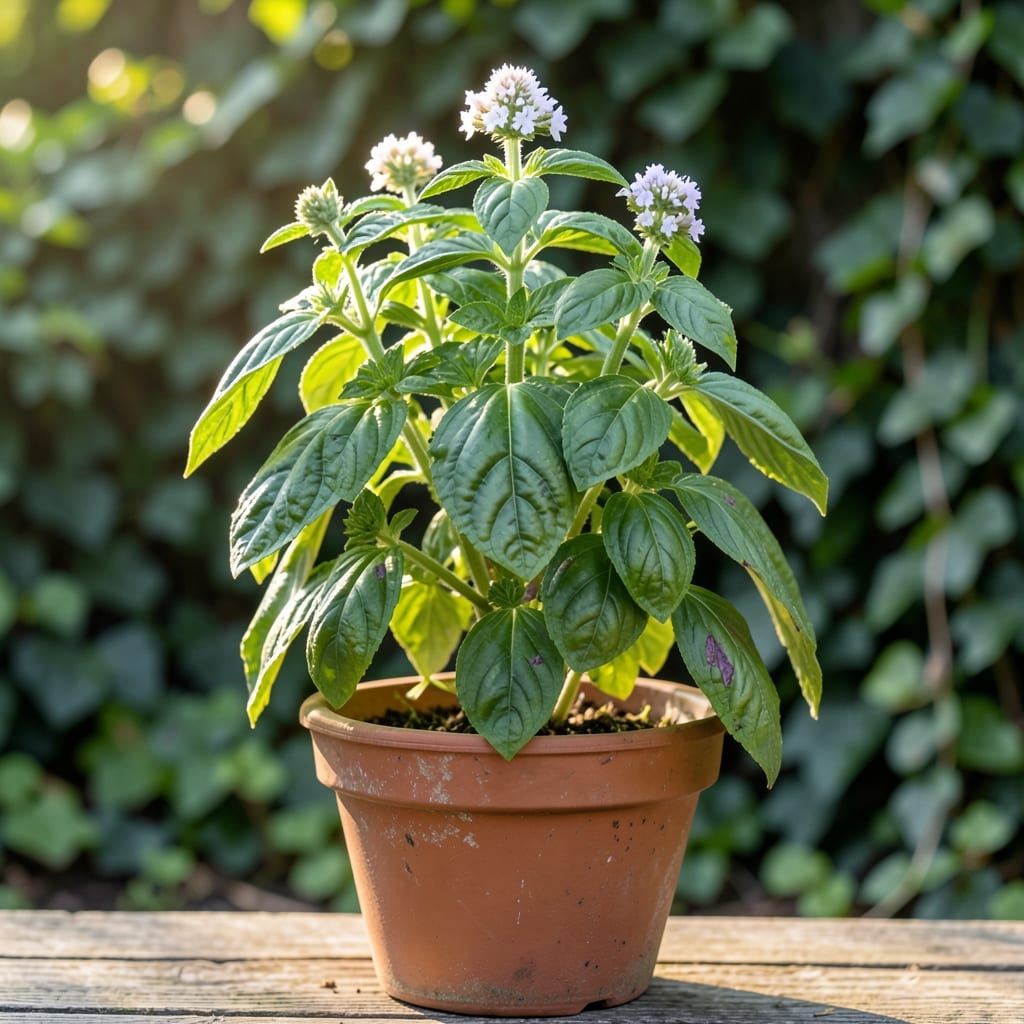
If you’ve ever wondered how tall a basil plant can grow and why your 🌿 seems to have a mind of its own—shooting up like a weed or staying stubbornly short—you’re not alone. The truth is, how tall your basil grows depends on more than just luck. Some varieties like Genovese can reach 2 feet or taller with the right care, while others stay compact at just 6 inches, perfect for pesto lovers.
But here’s the catch: sunlight, pruning, and even your container size play a huge role in shaping your basil’s height. Whether you’re growing it in a sunny window or a garden bed, understanding these factors can mean the difference between a leggy, floppy plant and a bushy, productive one. Let’s break down what to expect—and how to keep your basil at the perfect height for your needs.
Genovese basil, for example, often stretches toward the sky, while Thai basil stays shorter and more compact. Purple basil? It’s a whole different story. I’ll show you exactly how to control their growth so you get the best flavor and yield, no matter which variety you choose.
Ready to stop guessing and start growing basil that’s just the right size? Let’s dive into the secrets behind basil height—and how you can shape your plant’s future, one pinch at a time.

Basil height by variety: Genovese, purple, Thai, and more—what to expect
If you’re wondering how tall your basil plant can grow, the answer starts with the variety you’ve chosen. Some basils are natural dwarf varieties that top out at just 6 inches, while others can stretch toward 3 feet or more with the right conditions. The key difference? Genetics, growth habits, and how you care for them. Let’s break down the height expectations for the most popular basil types so you can pick—or prune—for your perfect plant.
Genovese basil, the classic choice for pesto, is a standard-height variety that typically reaches 18 to 24 inches when grown outdoors. In containers, it often stays slightly shorter, around 12 to 18 inches, unless you forget to prune it. Purple basil, on the other hand, is a bushier, more compact plant that maxes out at 12 to 18 inches, making it ideal for small spaces or windowsill gardens. Thai basil, with its anise-like flavor, usually stays in the 12 to 24-inch range, depending on whether you’re growing it in a pot or garden bed.
Now, here’s where it gets interesting: Lemon basil and Spicy Globe basil are the compact outliers. Lemon basil rarely exceeds 12 inches, while Spicy Globe stays under 10 inches and grows in a tight, globe-shaped bush. If you’re short on space or love harvesting small batches frequently, these are your best bets. But if you’re dreaming of a towering basil plant for dramatic garden photos, Genovese or Thai basil will deliver—with a little extra care.
| Variety | Mature Height (Outdoor) | Mature Height (Container) | Growth Habit | Best For |
|---|---|---|---|---|
| Genovese | 18–24" | 12–18" | Tall, leggy | Pesto, large harvests |
| Purple | 12–18" | 8–12" | Bushy, compact | Containers, small gardens |
| Thai | 12–24" | 10–16" | Medium, upright | Asian dishes, stir-fries |
| Lemon | 6–12" | 6–10" | Compact, bushy | Small batches, windowsills |
| Spicy Globe | 8–12" | 6–10" | Globe-shaped | Ornamental, small harvests |
Here’s the secret sauce: container size matters. A basil plant in a 5-gallon pot will stay shorter than one in a garden bed because its roots can’t spread as much. But if you’re growing Genovese in a 10-inch pot with regular pruning, you can keep it under 18 inches while still getting a bountiful harvest. For dwarf varieties like Lemon basil, even a 6-inch pot is plenty—just make sure it has drainage holes to prevent root rot.
Sunlight also plays a huge role in height. Basil plants stretch toward light, a phenomenon called etiolation. If your basil is growing too tall and leggy, it’s likely not getting enough sun. Aim for 6+ hours of direct sunlight daily, and your plant will grow stockier and more compact. In shady spots, even dwarf varieties can grow taller as they reach for light, so choose your location wisely—or supplement with a grow light.
Pruning is another game-changer. If you pinch off the top sets of leaves when your basil reaches 6 inches tall, it’ll branch out and stay shorter. This technique works for all varieties but is especially useful for Genovese and Thai basil, which can get woody and tall if left unchecked. Think of pruning as a way to shape your basil’s future height—like training a puppy to stay small!
One more pro tip: Harvest regularly. When you pick leaves, especially from the top, you encourage the plant to grow bushier instead of tall. This is why many gardeners swear by harvesting outer leaves first—it keeps the plant compact and productive. Plus
How to control basil height: pruning, pinching, and growing conditions for perfect size
If your basil is stretching toward the sky like a sunflower or staying stubbornly short, you’re not alone. The key to controlling basil height lies in three simple but powerful techniques: pruning, pinching, and optimizing growing conditions. These methods can turn a leggy, floppy plant into a bushy, productive herb garden staple—no matter which variety you’re growing.
For example, Genovese basil, which can reach 24+ inches without intervention, thrives when you prune it regularly. Meanwhile, Thai basil stays compact at 12-18 inches but benefits from the same care to prevent legginess. Let’s break down exactly how to manage your basil’s height like a pro.
🌿
Step-by-Step Guide to Controlling Basil Height
- Pinch the Tips: When your basil reaches 6-8 inches, pinch off the top set of leaves with your fingers. This encourages bushier growth and prevents legginess by promoting side shoots.
- Prune Regularly: Every 4-6 weeks, trim back 1/3 of the plant’s height to maintain shape and encourage new growth. Use clean, sharp pruning shears to avoid damaging stems.
- Harvest Often: Pinch or cut leaves frequently to stimulate growth. Harvesting leaves before flowering also improves flavor and yield.
- Provide Full Sun: Basil needs 6+ hours of sunlight daily. If it’s not getting enough light, it will stretch toward the sun, becoming tall and weak.
- Use the Right Container: For dwarf varieties, choose pots 6-8 inches wide. Larger containers (12+ inches) accommodate taller varieties like Genovese but may require deeper soil.
- Water Consistently: Keep soil moist but not soggy. Overwatering can lead to root rot, while underwatering causes stress and stunted growth.
One common mistake gardeners make is waiting too long to prune. If you let your basil grow too tall before pinching, it can become woody and less productive. Start early—even when your plant is just a few inches tall—to set it up for success.
For container-grown basil, choose pots with drainage holes to prevent waterlogging. If your basil is growing too tall in a pot, it’s likely not getting enough light. Move it to a sunnier spot or consider using a grow light for indoor plants.
Remember, the goal isn’t just to control height—it’s to create a healthy, productive basil plant that keeps giving you fresh leaves all season long. With the right care, you’ll have basil that’s just the right size for your needs, whether you’re snipping leaves for pesto or enjoying its aroma in your garden.