
Size
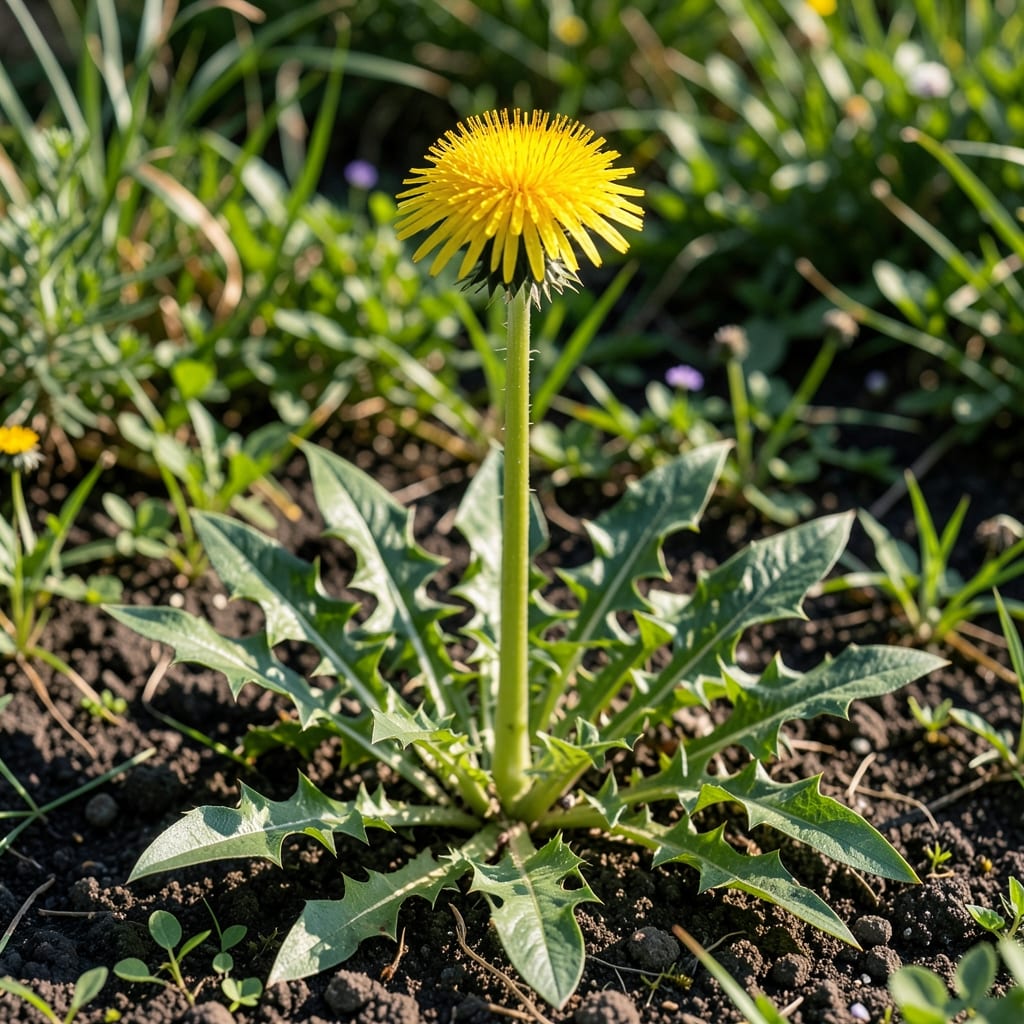
If you’ve ever wondered how tall can a dandelion grow, you might be surprised to learn these bright 🌼 blooms can reach heights that vary dramatically—from just a few inches to over a foot tall, depending on their environment and care. What starts as a low-growing rosette of leaves can transform into a striking, sun-loving flower that stands out in any garden or meadow, proving these hardy plants are far more adaptable than many realize.
The secret to their height lies in their growth habits and the conditions they thrive in. In wild settings, dandelions often grow taller, sometimes reaching up to 18 inches, while cultivated varieties are often bred to stay shorter for easier harvesting. Whether you're dealing with a perennial patch in your yard or a carefully tended garden bed, understanding these differences can help you control—or even encourage—their growth.
Soil quality, sunlight exposure, and even watering habits play a huge role in determining how tall your dandelions will grow. With the right conditions, you can coax them to reach their full potential, or keep them compact for easier maintenance. Let’s explore the factors that influence their height and how you can shape their growth to fit your needs.
From the spring planting window to their peak flowering season, dandelions offer a fascinating study in adaptability. Whether you’re a gardener looking to manage their spread or simply curious about nature’s resilience, there’s plenty to discover about these hardy yet delicate plants. Let’s dive into what makes them grow—and how you can guide their journey from seed to skyward bloom.


Dandelion height variations: wild vs cultivated growth secrets
When you think of dandelions, you might picture those bright yellow blooms popping up in lawns and meadows, but did you know their height can vary dramatically? In the wild, dandelions (Taraxacum officinale) often reach 12 to 18 inches tall, while cultivated varieties—like those grown for salads—are typically bred to stay between 2 to 6 inches. This difference isn’t just about genetics; it’s also shaped by growing conditions, care, and even the plant’s life stage.
The key to understanding dandelion height lies in their growth stages. They start as a low-growing rosette of leaves close to the ground, then bolt upward when conditions are right, sending up a leafless flowering stem that can shoot up quickly. Wild dandelions, left to their own devices, often grow taller because they compete for sunlight and resources in open spaces.
Cultivated dandelions, on the other hand, are often pruned or harvested before they bolt, keeping them shorter and more manageable. This makes them easier to pick for salads or microgreens. Whether you’re dealing with a wild patch or a garden bed, knowing these differences can help you predict—and even influence—their height.
| Type | Height Range | Growth Habit | Best For |
|---|---|---|---|
| Wild Dandelion | 12–18 inches | Tall, upright flowering stems; self-seeding | Meadows, lawns, natural landscapes |
| Cultivated Dwarf | 2–6 inches | Short, compact leaves; slow to bolt | Salad greens, microgreens, container gardening |
| Standard Cultivated | 6–12 inches | Moderate height; balanced growth | Garden beds, ornamental use |
One of the biggest factors influencing dandelion height is soil quality. Rich, well-draining soil packed with organic matter encourages taller growth, while poor or compacted soil can stunt their development. If you’re trying to grow taller dandelions, amending your soil with compost or aged manure can give them the nutrients they need to reach their full potential.
Another critical factor is sunlight exposure. Dandelions thrive in full sun (6+ hours daily), and the more sunlight they get, the taller and sturdier they’ll grow. In shady conditions, they may stay shorter and leggier, struggling to support their own weight. If you’re growing dandelions in containers or small garden beds, placing them in the sunniest spot you have will help them grow taller and healthier.
Watering habits also play a role in dandelion height. While they’re drought-tolerant once established, consistent moisture during their early growth stages can encourage taller stems. Overwatering, however, can lead to weak, spindly growth. Aim for deep but infrequent watering—about once a week—to keep them strong without promoting excessive height.
Pruning and harvesting techniques can also shape dandelion height. If you’re growing them for leaves, regularly pinching back the flowering stems will keep the plant focused on leaf production, resulting in a shorter, bushier growth habit. On the other hand, if you want taller blooms for ornamental purposes, avoid pruning and let the plant follow its natural growth cycle.
Finally, the time of year matters. Dandelions planted in early spring often grow taller by summer, while those that sprout later in the season may stay shorter. This is because they have more time to mature before cooler weather sets in. If you’re aiming for towering dandelions, starting them early in the season gives them the best chance to reach their maximum height.
Understanding these variations can help you tailor your gardening approach. Whether you’re managing a wild patch or cultivating dandelions for your kitchen, knowing how to influence their height gives you control over their growth—whether you want them tall and striking or short and manageable.
Dandelion height variations: wild vs cultivated growth secrets
Dandelions (Taraxacum officinale) are masters of adaptability, and their height can vary dramatically depending on whether they're growing wild or in a cultivated setting. In nature, wild dandelions often stretch toward the sky, reaching heights of 12 to 18 inches when conditions are ideal. This impressive growth is nature's way of ensuring their seeds disperse widely through the wind. Meanwhile, cultivated varieties—especially those grown for their edible leaves—are often bred to stay shorter, typically between 2 to 6 inches, making them easier to harvest.
The difference lies in their growth priorities: wild dandelions focus on maximizing seed production, while cultivated ones prioritize leaf production. This distinction is crucial for gardeners who want to control their spread or encourage specific traits. For example, a dandelion growing in a nutrient-rich, undisturbed meadow will likely tower over one struggling in compacted city soil. Understanding these variations helps you predict—and even influence—their growth patterns in your own garden.
| Type | Average Height | Growth Habit | Key Factor |
|---|---|---|---|
| Wild Dandelion | 12–18" | Tall, fibrous roots | Maximizes seed dispersal |
| Cultivated (Leaf Varieties) | 2–6" | Compact, shallow roots | Encourages leaf production |
| Hybrid Strains | 8–14" | Balanced growth | Selective breeding |
The root system of a dandelion plays a surprising role in its height. Wild dandelions develop deep, taproots that can extend 12 to 18 inches below the surface, anchoring them firmly and allowing them to access nutrients and water from deeper soil layers. This deep root system supports their towering growth, while cultivated varieties often have shallower roots, limiting their height. If you're trying to grow a taller dandelion, focus on improving soil depth and drainage to encourage deeper root development.
Another key factor is the plant's life cycle. Dandelions are perennial plants, meaning they return year after year, but their height can fluctuate significantly from season to season. In their first year, they form a low-growing rosette of leaves, rarely exceeding 6 inches. By their second year, they bolt—sending up a tall flowering stem that can reach their maximum height. This two-year growth pattern explains why some dandelions seem to "explode" in height overnight, especially in spring when conditions are optimal.
Light exposure also plays a critical role in determining height. Dandelions thrive in full sun, with at least 6 hours of direct sunlight daily. When grown in partial shade, they tend to stay shorter and produce fewer flowers, focusing their energy on leaf growth instead. If you're aiming for taller dandelions, ensure they're planted in a sunny location. Conversely, if you want to keep them compact, a slightly shaded spot can help suppress their vertical growth.
Finally, don’t underestimate the impact of soil quality. Dandelions are incredibly hardy and can grow in poor soil, but they’ll reach their full height potential in well-draining, nutrient-rich soil. Amending your soil with compost or organic matter can give them the boost they need to grow taller. Conversely, compacted or nutrient-poor soil will stunt their growth, often resulting in shorter, less robust plants. With the right conditions, you can coax even wild dandelions to reach impressive heights—making them a fascinating study in nature’s resilience.