
How To
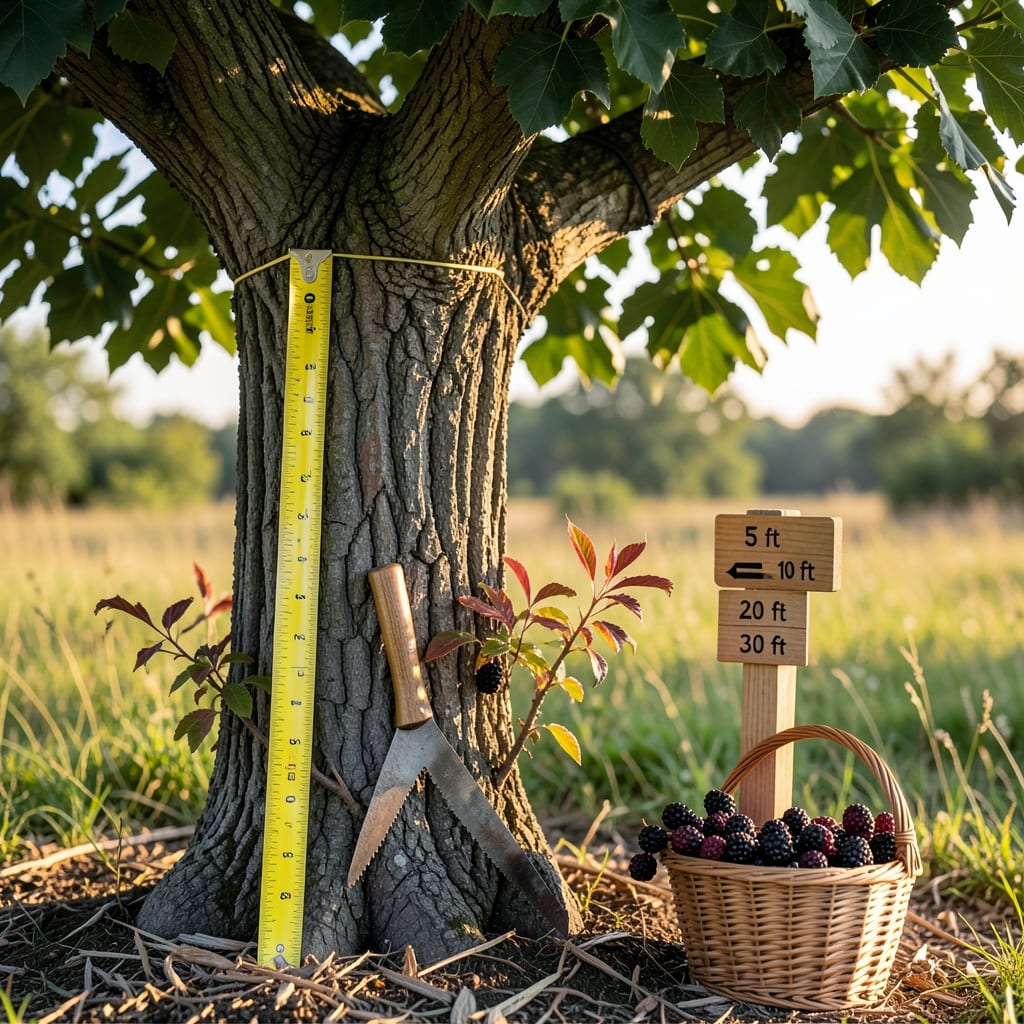
If you're wondering how tall can a mulberry tree grow, you might be surprised to learn these trees can become true giants—some varieties stretching up to 60 feet tall in ideal conditions. That’s taller than most two-story houses! But don’t let that scare you off—mulberry trees also come in compact forms perfect for smaller yards, making them incredibly versatile for gardeners.
The height of your 🌳 mulberry tree depends on several factors, including the specific variety you choose, your climate zone, and how you care for it. For example, the Morus alba (white mulberry) can reach 30-60 feet, while dwarf varieties stay under 15 feet. Understanding these differences is the first step to picking the right tree for your space and long-term gardening goals.
In this guide, I’ll break down the exact height ranges for popular mulberry varieties, how your local climate affects growth, and practical tips to control the size if needed. Whether you’re planning a backyard orchard or just want a manageable shade tree, you’ll find everything you need to make an informed decision.
Ready to transform your garden with a mulberry tree? Let’s dive into the details so you can choose the perfect fit for your yard and lifestyle.

Mulberry tree height by variety: from dwarf to giant species
When planning to add a mulberry tree to your landscape, one of the first questions is how tall can a mulberry tree grow? The answer varies dramatically depending on the variety you choose. Some mulberries are towering giants that can reach 60 feet or more, while others remain compact, making them ideal for small yards or urban gardens. Let’s explore the height ranges of the most popular mulberry varieties so you can pick the perfect fit for your space.
The white mulberry (Morus alba) is the most commonly grown variety in North America, and it’s also one of the tallest. In ideal conditions, this species can grow 30-60 feet tall, with a spread of 20-40 feet. Its rapid growth rate—sometimes 3-5 feet per year—means it can quickly outgrow its welcome in smaller spaces. If you love the idea of fresh mulberries but don’t have room for a towering tree, this variety might not be the best choice unless you’re committed to regular pruning.
The black mulberry (Morus nigra), often considered the gold standard for fruit quality, is another giant. Native to parts of Europe and Asia, this variety can also reach 30-50 feet tall, though it typically grows slightly slower than the white mulberry. Its delicious, deep purple berries are a gardener’s dream, but its size makes it better suited for rural properties or large backyards. Plus, it’s less cold-hardy, thriving best in USDA Zones 6-9.
| Variety | Mature Height | Spread | Growth Rate | Best For |
|---|---|---|---|---|
| White Mulberry (Morus alba) | 30-60 ft | 20-40 ft | 3-5 ft/year | Large yards, shade trees |
| Black Mulberry (Morus nigra) | 30-50 ft | 20-35 ft | 2-4 ft/year | Rural areas, fruit lovers |
| Red Mulberry (Morus rubra) | 40-60 ft | 25-40 ft | 2-3 ft/year | Native gardens, wildlife |
| Dwarf Varieties (e.g., Morus alba 'Illinois Everbearing') | 10-15 ft | 8-12 ft | 1-2 ft/year | Small yards, containers |
| Semi-Dwarf Varieties (e.g., Morus alba 'Chaparral') | 15-25 ft | 10-15 ft | 2-3 ft/year | Medium spaces, urban gardens |
The red mulberry (Morus rubra), native to North America, is another tall variety, often reaching 40-60 feet in height. It’s prized for its native adaptability and ability to thrive in USDA Zones 4-9, making it a great choice for colder climates. However, its height and spread mean it’s best suited for larger properties where it can establish itself without crowding other plants. The red mulberry’s berries are smaller and less sweet than black mulberries but are highly valued by wildlife, including birds and deer.
If you’re working with limited space, dwarf mulberry varieties are a game-changer. Cultivars like Morus alba 'Illinois Everbearing' stay under 10-15 feet tall, making them perfect for small backyards, patios, or even large containers. These varieties grow more slowly—typically 1-2 feet per year—and produce abundant fruit despite their compact size. They’re also easier to maintain, as their smaller stature means less pruning is required to keep them in check.
For gardeners who want a
Climate zones and mulberry tree growth: how location affects height
Your mulberry tree’s height isn’t just determined by its variety—your climate zone plays a huge role too. Mulberries thrive in USDA Zones 5-9, but their growth patterns vary dramatically depending on temperature, humidity, and seasonal extremes. For example, in warmer zones (8-9), mulberries can grow 10-20% taller due to longer growing seasons, while colder zones (Zone 5-6) may see slower growth or stunted height if winters are harsh.
In USDA Zone 9, where winters are mild, mulberries like Morus alba can reach their maximum height of 50-60 feet because they experience minimal stress. However, in Zone 5, the same variety might max out at 30-40 feet due to shorter growing seasons and potential winter damage. This is why choosing the right variety for your zone is critical—some mulberries, like the red mulberry (Morus rubra), are hardier in colder zones and can still thrive in Zone 4.
Humidity also impacts growth. In humid climates (e.g., Southeast U.S.), mulberries may grow faster but are more susceptible to fungal diseases like powdery mildew, which can weaken the tree and limit its height potential. Conversely, in drier climates (e.g., Southwest U.S.), mulberries grow more slowly but are less prone to disease, often reaching 20-30 feet unless given extra care like consistent watering.
| USDA Zone | Climate Type | Mulberry Height Impact | Best Varieties | Growth Notes |
|---|---|---|---|---|
| Zone 4-5 | Cold, short season | 20-40 ft (slower growth) | Red Mulberry (Morus rubra) | Hardy but needs protection from late frosts |
| Zone 6-7 | Moderate, four seasons | 30-50 ft (balanced growth) | White Mulberry (Morus alba) | Ideal for most gardeners; fast growth |
| Zone 8-9 | Warm, long season | 40-60 ft (tallest potential) | Black Mulberry (Morus nigra) | Thrives in heat; needs consistent water |
| Zone 10+ | Tropical/subtropical | 25-40 ft (stress from heat) | Dwarf Varieties | Heat-sensitive; may need shade |
If you live in a coastal or high-humidity area, expect your mulberry to grow faster but monitor for pests like spider mites, which thrive in warm, damp conditions. In contrast, arid climates may require extra watering to achieve optimal height, especially during the tree’s first 3-5 years of growth. Even in ideal zones, mulberries planted in poor soil or with limited sunlight will grow slower and stay shorter—often 10-20 feet less than their potential.
For gardeners in Zone 5-6, where winters can be brutal, consider planting mulberries near a south-facing wall or using winter mulch to protect roots. This simple trick can boost height by 5-10 feet over time by reducing cold stress. Meanwhile, those in Zone 8-9 should focus on regular pruning to manage rapid growth and prevent the tree from becoming unmanageable.
No matter your zone, mulberries are adaptable—with the right care, you can maximize their height or keep them compact. The key is understanding how your local climate interacts with the variety you choose. Whether you’re in a frost-prone or heatwave-prone area, mulberries can thrive if you tailor your approach to their needs.