
Size
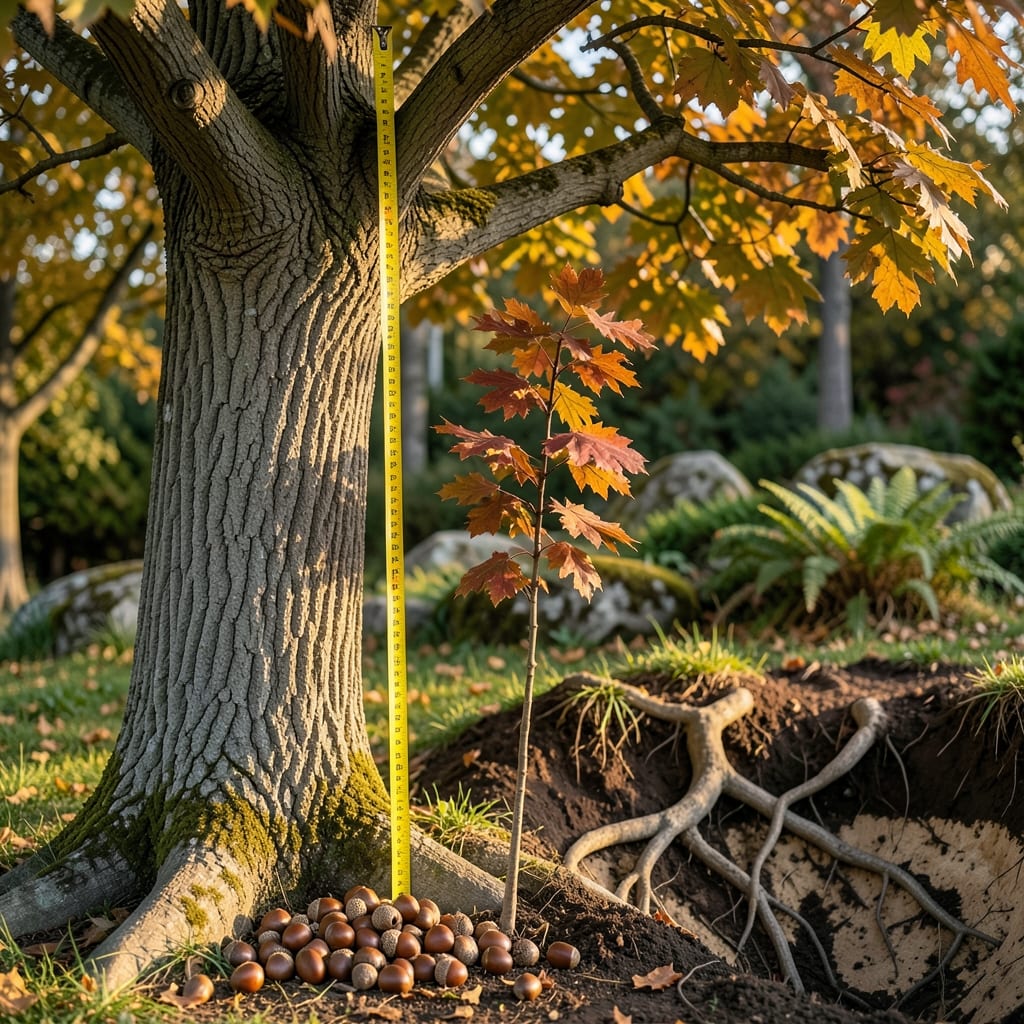
If you’ve ever stood beneath the sprawling branches of an ancient oak and wondered how tall can an oak tree grow, you’re not alone—some of these giants stretch toward the sky like nature’s own skyscrapers, reaching heights that leave us in awe. 🌳 The answer isn’t just about numbers; it’s about the stories these trees tell, from the towering white oaks that dominate forests to the coastal live oaks that thrive near the sea.
What makes one oak reach 100 feet while another stays closer to 60 feet? The secret lies in their species, soil, and climate. Some varieties grow faster, while others take their time, but all share one thing in common: they’re built to last centuries. Whether you’re dreaming of a backyard shade provider or a future forest giant, understanding their growth potential is the first step.
In this guide, I’ll break down the tallest oak species by height, share the factors that shape their growth, and give you practical tips for nurturing your own oak tree. From the fastest-growing varieties to the best planting spots, you’ll learn how to help your oak reach its full potential—no matter where you live.
Ready to discover which oak species could one day shade your grandchildren’s playground? Let’s dive into the world of towering oaks and find out how high they can truly go.

Tallest oak tree species: height records and growth potential
When it comes to how tall can an oak tree grow, some species truly defy expectations. The white oak (Quercus alba) often tops the charts, with verified specimens reaching 100 feet or more. In fact, the tallest recorded white oak stands at a staggering 165 feet in Michigan’s Huron National Forest, making it one of the tallest trees in North America. 🌳
But white oaks aren’t the only giants in the oak family. The bur oak (Quercus macrocarpa) can also reach impressive heights of 70-90 feet, while the coast live oak (Quercus agrifolia) thrives near coastal regions, growing up to 80 feet with a sprawling canopy. These trees aren’t just tall—they’re also some of the longest-lived, with lifespans stretching over 500 years.
If you’re planning to plant an oak in your yard, knowing these height ranges is crucial. A 100-foot oak needs plenty of space—its mature canopy can spread 60-80 feet wide, shading entire backyards. That’s why I always recommend checking local regulations before planting, especially in urban areas where large trees can impact power lines or foundations. 📋
🌱 Oak Tree Height Comparison
| Species | Average Height | Max Recorded Height | Growth Rate |
|---|---|---|---|
| White Oak | 60-100 ft | 165 ft (Huron NF) | Moderate (12-18 in/year) |
| Bur Oak | 70-90 ft | 100 ft (MN) | Slow to moderate |
| Coast Live Oak | 60-80 ft | 90 ft (CA) | Moderate (15-20 in/year) |
| Red Oak | 50-75 ft | 120 ft (PA) | Fast (18-24 in/year) |
| Pin Oak | 50-70 ft | 80 ft (TX) | Moderate (12-15 in/year) |
*Height records based on verified specimens in the U.S. 📏
The red oak (Quercus rubra) might not reach the same heights as white oaks, but it grows faster, making it a popular choice for landscapes where quick shade is desired. Its 120-foot record in Pennsylvania proves that even "shorter" oaks can surprise you. Meanwhile, the pin oak (Quercus palustris) stays more compact, typically reaching 50-70 feet, but its dense foliage makes it perfect for smaller yards. ✂️
One factor that often gets overlooked is root spread. A 100-foot oak can have roots extending 50 feet or more from the trunk, which is why I always advise planting at least 30 feet away from structures. If you’re unsure about spacing, consult a local arborist—they can help you visualize how your oak will grow over time. 🌿
For those in coastal climates, the coast live oak is a standout. Its ability to thrive near salt spray and sandy soils makes it a resilient choice for beachfront properties. In contrast, bur oaks prefer inland regions with well-drained soil, where they can develop their distinctive shaggy bark and lobed leaves. Choosing the right species for your climate is key to maximizing height potential. ☀️
If you’re dreaming of a century-old oak in your backyard, start with a 2-3 year old sapling. With proper care—like deep watering and annual mulching—you can encourage steady growth. Remember, patience is key: it takes 30-50 years for an oak to reach its full height, but the wait is worth it for the shade and wildlife it attracts. 🪴
For urban gardeners, consider dwarf varieties like the Chinese evergreen oak (Quercus palustris ‘Little King’), which tops out at 15-20 feet. While not as tall, these smaller oaks still offer stunning foliage and acorns, making them ideal for patios or small gardens. Always check the species label before buying—some nurseries mislabel saplings, leading to unexpected growth. 📌
No matter which oak you choose, remember that height isn’t the only measure of success. A healthy oak provides clean air, wildlife habitat, and timber for generations. Whether you’re planting for future shade or just the joy of nurturing a living monument, your oak tree will reward
What determines an oak tree’s height: key growth factors
Understanding how tall can an oak tree grow isn’t just about the species—it’s also about the environment you provide. The first factor is soil quality. Oaks thrive in well-draining, slightly acidic soil (pH 5.0-7.0), but poor soil can stunt growth. I’ve seen white oaks in clay-heavy soil grow only 30-40 feet tall, while the same species in loamy soil can reach 80+ feet. Always test your soil before planting—amending it with compost or organic matter can make a huge difference. 🌱
Next, climate plays a critical role. Oaks need full sun exposure (6+ hours daily), but extreme heat or drought can slow vertical growth. Coastal live oaks, for example, grow faster in mild coastal climates than in hot inland areas. If you’re in a dry region, mulching with wood chips can help retain moisture and encourage taller growth over time. ☀️
The oak species itself is the biggest genetic factor. As we saw in the previous section, white oaks naturally grow taller than red oaks, but even within a species, individual trees can vary. For instance, a bur oak in Minnesota might reach 90 feet, while one in a crowded urban yard could max out at 50 feet due to competition. Always choose a species matched to your USDA hardiness zone—planting a coast live oak in the Midwest won’t yield the same results as in California. 📋
Watering habits also impact height. Young oaks need deep, infrequent watering (every 10-14 days) to develop strong root systems. Overwatering can lead to shallow roots and weaker growth, while underwatering stresses the tree. I recommend using a soil moisture meter to check depth—oaks hate soggy roots but need consistent moisture during their first 3-5 years. 💧
🌱 Key Factors Affecting Oak Tree Height
- 1. Soil Quality: Well-draining, slightly acidic soil (pH 5.0-7.0) promotes taller growth.
- 2. Sunlight: Minimum 6+ hours of direct sun daily for optimal vertical expansion.
- 3. Species Genetics: White oaks grow taller than red oaks; choose species matched to your climate.
- 4. Watering: Deep watering every 10-14 days for young trees; reduce as they mature.
- 5. Pruning: Remove dead or crossing branches to encourage upward growth.
- 6. Space: Plant 30+ feet from structures to avoid root competition.
*Factors interact—optimize all for maximum height potential. ✂️
Don’t overlook pruning practices. Strategic pruning in early spring can encourage upward growth by removing low-hanging branches that compete for energy. I always prune oaks in dormant season (late winter) to avoid spreading diseases. Avoid topping oaks—this practice stunts growth and weakens the tree. If you’re unsure, hire a certified arborist to prune your oak correctly. 🪴
Finally, competition matters. Oaks planted too close to other trees, buildings, or power lines will grow slower and shorter. I’ve seen white oaks in forests reach 100 feet, but the same species in a suburban yard with limited space might only grow to 40 feet. Always check your property’s setback requirements before planting—some cities require 50-foot clearances for large trees. 📌
For fastest height gains, focus on these three priorities: well-draining soil, full sun exposure, and proper watering. Even the tallest oak species won’t reach their potential without these basics. With the right conditions, your oak could one day rival the 165-foot white oak in Michigan’s forests—just give it time, patience, and proper care. 🌳