
How To
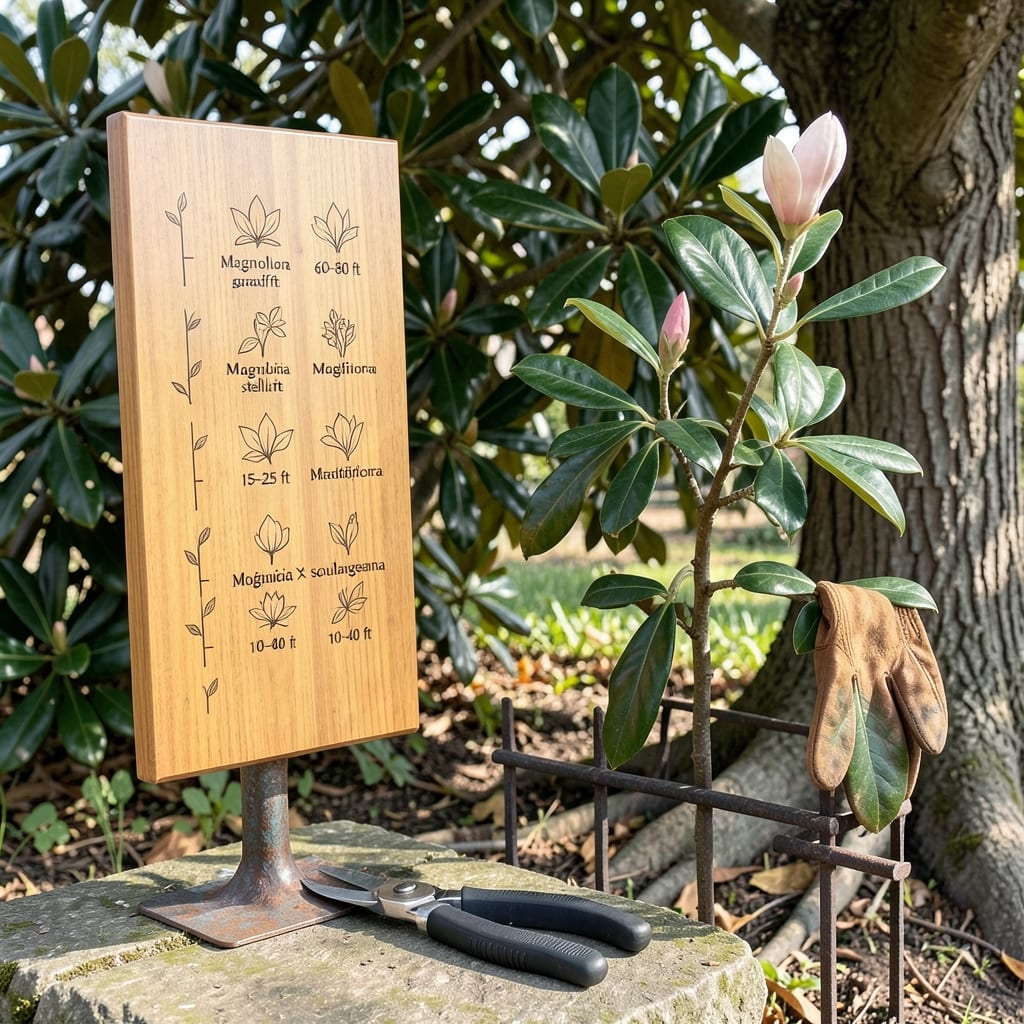
If you’ve ever wondered how tall can a magnolia tree grow, the answer might surprise you—some varieties stretch taller than a 4-story building, while others stay small enough for a suburban yard. The 🌸 Magnolia grandiflora, for example, can reach 80–100 feet with proper care, but dwarf varieties like Magnolia stellata top out at just 10–15 feet.
What determines whether your magnolia becomes a backyard giant or a cozy accent tree? The variety, your USDA Zone 6a climate, and even soil quality play huge roles. Fast-growing species like the Southern Magnolia can add 2 feet per year, while slower growers take decades to reach their full height. Knowing these factors helps you plan spacing and pruning from day one.
For gardeners with limited space, the good news is that dwarf magnolias exist—and they still deliver those show-stopping blooms. Whether you’re dreaming of a towering ornamental centerpiece or a compact tree for a small patio, choosing the right variety is the key to happy gardening. Let’s break down the heights, growth rates, and tips to keep your magnolia at your ideal size.
Ready to transform your landscape? Discover which magnolia varieties grow fastest, how to control their height, and why some gardeners swear by late-winter pruning to shape their trees. Your perfect magnolia—whether it’s a sky-high giant or a petite powerhouse—is just a few clicks away.


Magnolia tree height limits: from dwarf varieties to towering giants
Magnolia trees offer a stunning range of heights, from dwarf varieties perfect for small yards to giant specimens that rival skyscrapers. The Southern Magnolia (🌸 Magnolia grandiflora) can reach 80–100 feet, while the Star Magnolia (Magnolia stellata) stays under 15 feet. Your choice depends on space, sunlight, and long-term care needs.
Understanding these height limits helps you plan for spacious landscapes or compact gardens. Fast-growing varieties like the Sweetbay Magnolia add 2 feet per year, while slower growers like the Saucer Magnolia take decades to mature. Let’s explore the full spectrum of magnolia heights to help you pick the perfect fit.
Here’s a quick comparison of popular magnolia varieties and their mature heights:
| Variety | Mature Height (ft) | Growth Rate (in/year) | Best For |
|---|---|---|---|
| Magnolia grandiflora (Southern Magnolia) | 80–100 | 12–24 | Large estates, shade trees |
| Magnolia stellata (Star Magnolia) | 10–15 | 6–12 | Small yards, containers |
| Magnolia × soulangeana (Saucer Magnolia) | 20–30 | 8–15 | Medium gardens, specimen trees |
| Magnolia virginiana (Sweetbay Magnolia) | 40–60 | 24–36 | Fast shade, wetlands |
| Magnolia 'Black Tulip' (Dwarf) | 8–12 | 4–8 | Containers, small spaces |
| Magnolia 'Jane' (Dwarf) | 10–12 | 6–10 | Borders, foundation planting |
| Magnolia 'Little Gem' (Columnar) | 20–25 | 12–18 | Narrow spaces, alleys |
| Magnolia 'St. Mary' (Dwarf) | 8–10 | 4–6 | Patios, balconies |
| Magnolia 'Teddy' (Dwarf) | 6–8 | 3–5 | Bonsai-style gardens |
The Southern Magnolia is the tallest magnolia, often exceeding 80
Magnolia tree height limits: from dwarf varieties to towering giants
Magnolia trees are nature’s skyscrapers, with some varieties reaching heights that dwarf even the tallest buildings in your neighborhood. The Southern Magnolia (Magnolia grandiflora) is the undisputed champion, often soaring to 80–100 feet with a 30-foot spread—that’s taller than a 10-story structure! But don’t worry if your yard isn’t that spacious. Dwarf varieties like Little Gem or Black Tulip stay under 10–15 feet while still delivering stunning blooms.
What makes these trees grow so differently? The answer lies in their genetics, climate, and care. Fast-growing species like the Sweet Bay Magnolia (Magnolia virginiana) can add 1–2 feet per year, while slower varieties like the Saucer Magnolia (Magnolia × soulangeana) take decades to reach their 20–30 foot mature height. Your USDA Zone 6a climate also plays a role—cooler zones may slow growth, while warmer regions encourage rapid vertical expansion.
| Variety | Mature Height | Growth Rate | Best For |
|---|---|---|---|
| Southern Magnolia (M. grandiflora) | 80–100 ft | 12–24" per year | Large estates, shade trees |
| Star Magnolia (M. stellata) | 15–25 ft | 6–12" per year | Small yards, containers |
| Little Gem (M. grandiflora 'Little Gem') | 10–15 ft | 8–12" per year | Urban gardens, small lots |
| Saucer Magnolia (M. × soulangeana) | 20–30 ft | 4–8" per year | Medium yards, specimen planting |
| Sweet Bay Magnolia (M. virginiana) | 40–60 ft | 12–18" per year | Swamps, wet soils |
For gardeners with limited space, dwarf magnolias are a game-changer. Varieties like Black Tulip (Magnolia liliiflora) or Jane (Magnolia × loebneri) stay under 10 feet but still produce 4-inch blooms. These compact trees thrive in containers or small gardens, making them perfect for patios or balconies. Just remember: even dwarf varieties need well-draining soil and partial shade to prevent stress.
If you’re planting near power lines or buildings, opt for semi-dwarf varieties like Ann Magnolia (Magnolia × brooklynensis), which max out at 15–25 feet. These trees offer a balance between manageable size and dramatic spring blooms. Always check your local planting restrictions—some municipalities require permits for trees over 30 feet tall.
Pro tip: Soil quality directly impacts height. Magnolias planted in nutrient-rich, slightly acidic soil (pH 5.0–6.0) grow faster and taller. Amend clay soil with compost or peat moss to improve drainage and encourage robust growth. Mulch around the base with 2–3 inches of organic mulch to retain moisture and suppress weeds—this simple step can add 6–12 inches to annual growth.
Ready to pick the perfect magnolia for your space? Start by measuring your yard and researching varieties that fit your height goals. Whether you dream of a backyard giant or a container-friendly compact tree, there’s a magnolia that’s just right for you. 🌸