
How To
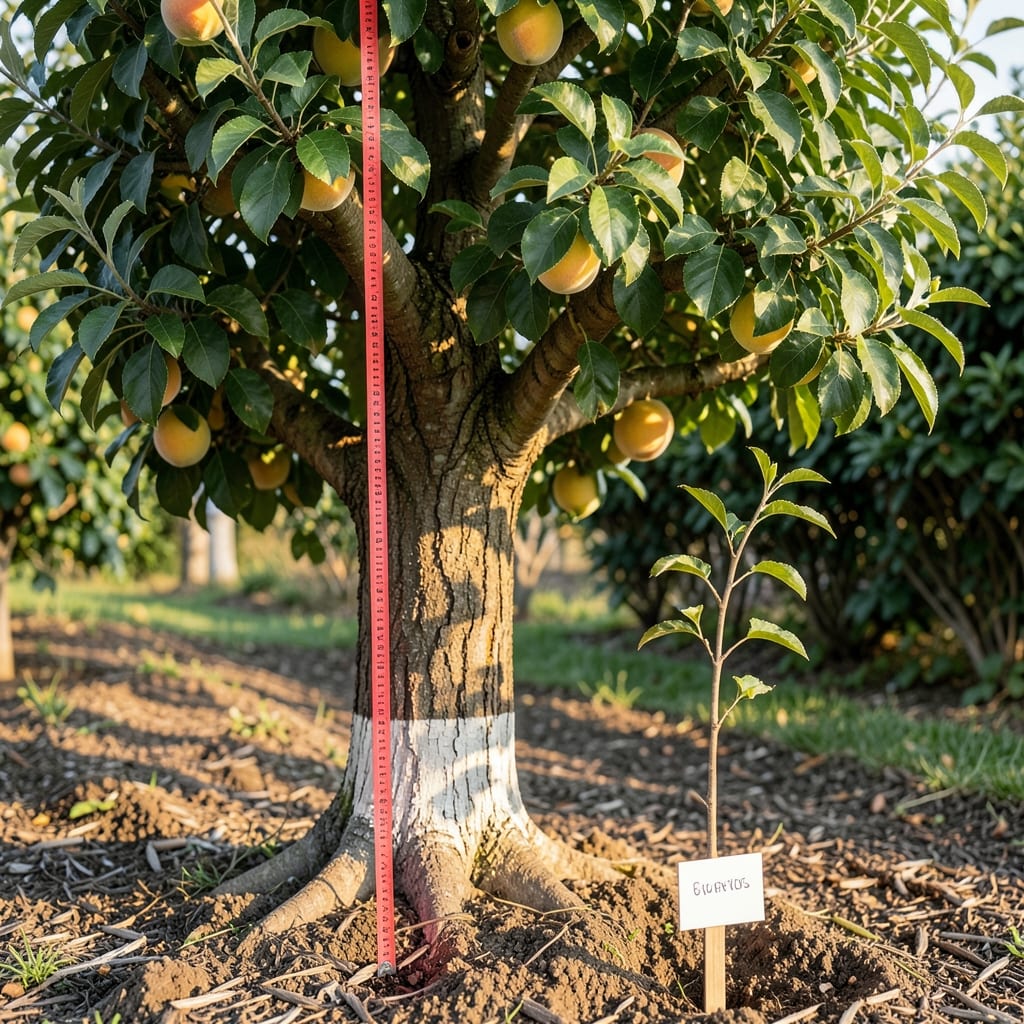
Wondering how tall can a peach tree grow before it outgrows your backyard? The answer might surprise you—some varieties stay as short as 6 feet, while others stretch over 30 feet tall, turning your garden into a peach-filled canopy. Whether you're dreaming of a 🍑 tree that fits snugly in a container or one that shades your entire patio, the right choice makes all the difference.
Peach trees come in three main size categories: dwarf, standard, and giant. Dwarf varieties are perfect for small spaces, reaching just 8-12 feet at maturity, while standard trees typically grow 15-25 feet—ideal for larger yards. Meanwhile, giant varieties can dwarf even the tallest two-story homes, topping out at 30+ feet in the right conditions. The key to controlling their height lies in understanding their rootstock and how you prune them over time.
But size isn’t just about space—it’s also about care. Factors like soil quality, sunlight exposure, and even your local climate in USDA Zone 6a play a huge role in how fast and tall your peach tree grows. For example, planting in early spring (March-April) gives your tree a strong start, but without proper pruning, even dwarf varieties can outgrow their intended height. Let’s break down the best ways to manage your peach tree’s growth so you get the perfect-sized harvest every year.
Ready to pick the perfect peach tree for your space? You’ll discover which varieties thrive in tight spots, how to keep them compact with simple pruning tricks, and why some trees grow faster than others. By the end, you’ll know exactly how to balance size, care, and that sweet, juicy payoff.


Peach tree height by variety: dwarf to standard to giant sizes
Peach trees aren’t one-size-fits-all—their mature height can vary dramatically depending on the variety and rootstock. If you’re short on space, dwarf varieties like 'Bonanza' or 'Redhaven' (grafted on Lovell rootstock) stay between 6-12 feet, making them perfect for containers or small patios. These compact trees produce full-sized peaches despite their petite stature, proving that good things come in small packages.
For a more traditional backyard tree, standard varieties like 'Elberta' or 'J.H. Hale' reach 15-25 feet at maturity. These are the classic peach trees you’d see in orchards, offering abundant fruit and a sprawling canopy that provides shade. They’re ideal if you have a medium-to-large yard and want that classic peach tree experience without the maintenance of a giant.
Now, if you’re dreaming of a statement piece that rivals your two-story home, giant peach trees like 'Contender' or 'Relentless' (grafted on halved seedling rootstock) can soar to 30+ feet. These aren’t just tall—they’re vigorous growers that demand space, deep soil, and regular pruning to keep them manageable. They’re best suited for rural properties or orchards where height isn’t a concern.
| Variety | Rootstock | Mature Height | Best For | Fruit Size |
|---|---|---|---|---|
| 'Bonanza' | Lovell | 6-10 ft | Containers, small yards | Large |
| 'Redhaven' | Lovell | 8-12 ft | Patios, urban gardens | Medium-large |
| 'Elberta' | Seedling | 15-20 ft | Backyards, orchards | Large |
| 'J.H. Hale' | Halved seedling | 18-25 ft | Large properties | Extra large |
| 'Contender' | Halved seedling | 25-30+ ft | Orchards, rural areas | Large |
*Height varies by growing conditions and pruning practices.
Choosing the right variety isn’t just about height—it’s also about fruit quality and growth habits. For example, 'Bonanza' produces yellow freestone peaches with a sweet, juicy flavor, while 'Redhaven' offers red-blushed fruit that’s perfect for canning. Both are dwarf varieties, but their taste and texture differ significantly. If you’re after a reliable producer, look for varieties labeled as "self-fertile", like 'Relentless', which don’t require a second tree for pollination.
One of the biggest misconceptions about peach trees is that dwarf varieties stay small forever. While they start out compact, improper pruning or over-fertilization can cause them to grow taller than expected. For instance, a 'Redhaven' on Lovell rootstock might only reach 8 feet with proper care, but neglect can push it to 12 feet or more. That’s why understanding rootstock influence is critical—Lovell rootstock naturally restricts growth, while halved seedling rootstock encourages vigorous, tall growth.
If you’re planting in USDA Zone 6a, like much of the Midwest, you’ll also need to consider winter hardiness. Dwarf varieties like 'Bonanza' are generally more cold-tolerant and recover better from frost damage than giant varieties. This makes them a smart choice for northern gardens where harsh winters can stress taller trees. Always check the specific variety’s hardiness zone before purchasing to avoid disappointment.
For those with limited space but big dreams, semi-dwarf varieties like 'Sanguinelle' (grafted on half-dwarfing rootstock) strike a balance, reaching 12-18 feet. These trees are easier to manage than standard varieties but still offer plenty of shade and fruit. They’re ideal for medium-sized yards or as a focal point in a landscape design.
No matter which size you choose, remember that height isn’t set in stone. With the right pruning techniques and soil management, you can influence how tall your peach tree grows. In the next section, we’ll dive into the key factors that determine peach tree height, from rootstock to sunlight exposure, so you can grow the perfect-sized tree for your space.
Factors that influence peach tree height and growth rate
When choosing a peach tree, remember that rootstock is the #1 factor controlling height. Dwarf varieties like Bonanza or Redhaven on Lovell rootstock stay under 12 feet, while standard trees on Halford rootstock reach 20+ feet. The rootstock determines both size and vigor—some even affect fruit quality and disease resistance.
Next, pruning plays a huge role. Regular pruning in late winter or early spring can keep even standard trees 30-50% shorter than their natural height. Without pruning, a 15-foot tree could easily stretch to 25 feet or more. I always prune mine in USDA Zone 6a right after the last frost (around April 15) to encourage compact growth.
- Rootstock: Determines 80% of final height (dwarf vs. standard)
- Pruning: Can reduce height by 30-50% with proper techniques
- Soil Quality: Poor soil = slower growth; rich soil = faster height gain
- Sunlight: Full sun (6+ hours) speeds growth vs. partial shade
- Watering: Overwatering can cause weak, leggy growth
Don’t overlook soil conditions—peach trees thrive in well-draining, slightly acidic soil (pH 6.0-6.5). Compacted or waterlogged soil stunts growth, while nutrient-rich soil with compost can make a dwarf tree grow 2 feet taller than expected. I always test my soil before planting and amend it with compost and aged manure for optimal growth.
Your climate zone matters too. Trees in warmer zones like Zone 8+ grow faster and taller than those in cooler Zone 6a. In my garden, the Redhaven tree grows 18 feet here, while a neighbor in Zone 9 reports theirs hits 22 feet with minimal pruning. Always check your local frost dates and growing season length when selecting varieties.
Finally, age and maturity affect height. A 1-year-old peach tree might only be 2-4 feet tall, but by year 3, it can shoot up 10-15 feet. Patience is key—most trees reach 50% of their mature height by year 3 and full height by year 5-7. If you’re impatient, choose a semi-dwarf variety like Elberta on Nemaguard rootstock for a balance of manageable size and faster fruiting.
Ready to pick the perfect peach tree for your space? Now that you know the factors, you can choose a variety that fits your yard—and your pruning schedule! 🌳