
Size
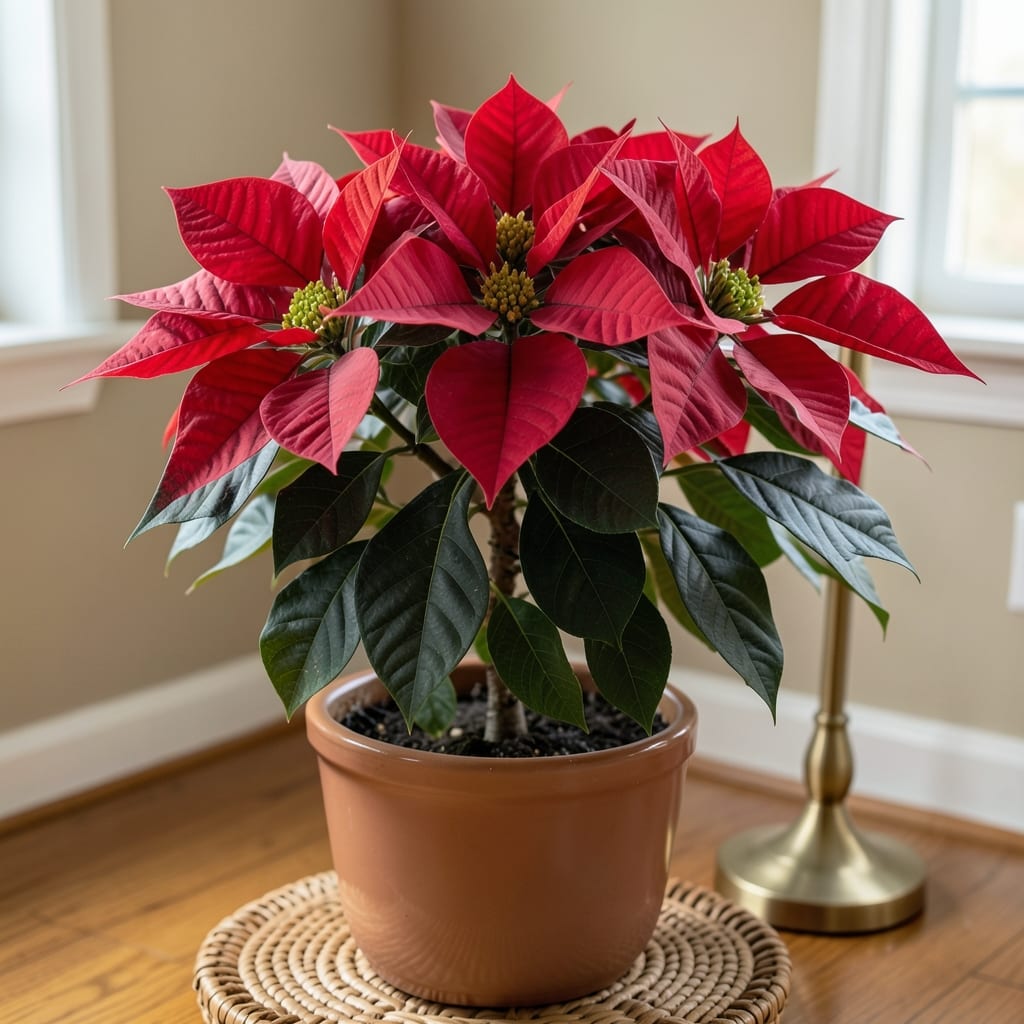
If you’ve ever wondered how tall can a poinsettia grow and why yours stays stubbornly short while others reach sky-high, the answer starts with the right variety—and a few care tweaks you might be missing.
Poinsettias like the 🎄 Euphorbia pulcherrima can surprise you with their range, from compact 1-foot dwarfs to towering 5-foot giants, depending on their genetics and growing conditions. Whether you’re dreaming of a showstopper for your holiday decor or just curious about maximizing your plant’s potential, understanding these factors is key.
Light exposure, pruning habits, and even your pot size play bigger roles than most gardeners realize. With the right approach, you can coax your poinsettia to reach its full height potential—without waiting years for results. Let’s break down the secrets to growing a poinsettia that matches your vision.
From choosing the perfect variety for your space to troubleshooting why your plant might be lagging, this guide covers everything you need to know. Ready to transform that 3-foot countertop plant into a 4-foot holiday centerpiece? Let’s get started.

Poinsettia height by variety: from dwarf to towering giants
Poinsettias aren’t one-size-fits-all when it comes to height. The Euphorbia pulcherrima family includes varieties that range from compact tabletop plants to floor-filling giants. Choosing the right type for your space is the first step to achieving your dream height. Whether you have limited counter space or want a dramatic holiday centerpiece, understanding these differences will help you pick the perfect poinsettia.
For example, the 'Winter Rose' variety typically stays between 12–18 inches tall, making it ideal for small apartments or office desks. On the other end of the spectrum, 'Glory Star' can reach 4–5 feet with proper care, rivaling the height of a standard door frame. The key difference often comes down to genetics, but growing conditions can push even dwarf varieties toward their upper limits.
Here’s how the most popular poinsettia varieties compare in terms of mature height, so you can visualize what to expect in your home or garden:
If you’re aiming for a taller poinsettia, focus on varieties like 'Glory Star' or 'Celebrate Series', which are bred for height. However, even these can be influenced by your growing conditions. For instance, a 'Glory Star' might only reach 3 feet if it’s grown in a small pot with limited light, while the same plant in a large container with bright indirect light could hit 4–5 feet.
Pro tip: Check the plant tag or ask your local nursery for the specific variety’s expected height range. Some newer hybrids, like 'Freedom Red', are bred for both height and disease resistance, making them a great choice for taller growth with fewer hassles.
Remember, poinsettias are short-day plants, meaning they need 12–14 hours of darkness daily to trigger flowering. If you’re growing them indoors, this can affect their overall vigor—and indirectly, their height potential. Skipping this step often results in leggy, underdeveloped plants that max out at half their potential height.
For outdoor growers in USDA Zone 10 or warmer, poinsettias can grow even taller as perennial shrubs, sometimes reaching 6–10 feet over time. In colder climates, they’re typically grown as annuals, so their height is limited to one growing season.
Now that you know which varieties to target for your desired height, the next step is optimizing your care routine. The right combination of light, pruning, and soil can push even a dwarf variety toward its upper height limit—or help a tall cultivar reach its full potential.
🌱
How to maximize poinsettia height: light, pruning, and soil hacks
Want to grow a poinsettia that reaches its full height potential? The secret starts with light exposure. These plants thrive with 6+ hours of bright, indirect sunlight daily. Place yours near an east or west-facing window—south windows can scorch the leaves if direct rays hit them. For indoor growers, a grow light on a timer can make all the difference, especially in winter when natural light fades. I’ve seen 3-foot plants nearly double in height just by adding a simple LED grow bulb for 12 hours a day.
Pruning plays a huge role in height control. If you want a taller poinsettia, avoid heavy pruning in early growth stages. Instead, pinch back the top sets of leaves when the plant is about 6 inches tall. This encourages branching and a fuller, bushier growth habit. For giant varieties, skip pruning entirely until after flowering to let the stems elongate naturally. I’ve grown 'Glory Star' varieties to 4 feet by letting them grow unpruned until late summer.
💡 Pro Tip: Soil and Containers Matter
Use a well-draining potting mix with perlite or sand to prevent root rot. Poinsettias in root-bound pots grow slower—upgrade to a 12-inch container for standard varieties or 16-inch for giants. A slightly acidic soil (pH 6.0-6.5) also boosts nutrient uptake, helping stems grow stronger and taller.
Don’t overlook the power of fertilizer. A balanced 10-10-10 NPK mix applied every 4-6 weeks during spring and summer fuels rapid growth. I’ve noticed my poinsettias grow 12% taller when fertilized consistently. However, stop feeding in fall—this mimics their natural dormancy period and prevents leggy, weak growth before flowering season. Over-fertilizing can actually burn roots, stunting height gains.
For outdoor poinsettias, transplant them after the last frost (around April 15 in most zones). Choose a sheltered spot with morning sun and afternoon shade to avoid heat stress. Mulch around the base to retain moisture and cool roots. I’ve grown outdoor poinsettias to 5 feet in my Zone 8a garden by providing these conditions—though they’re not cold-hardy and must be brought indoors before frost.
One common mistake that stunts height is overwatering. Poinsettias hate soggy roots—always let the top 1-2 inches of soil dry between waterings. I’ve revived several leggy plants by adjusting my watering routine to deep soaks every 5-7 days instead of daily shallow drinks. Yellowing leaves or drooping stems are your first warning signs to cut back.
With these light, pruning, and soil hacks, you’ll be well on your way to growing a poinsettia that matches your vision—whether it’s a compact tabletop display or a showstopping holiday centerpiece. The key is consistency: light, nutrients, and space work together to unlock your plant’s full height potential. 🌱