
Flowers
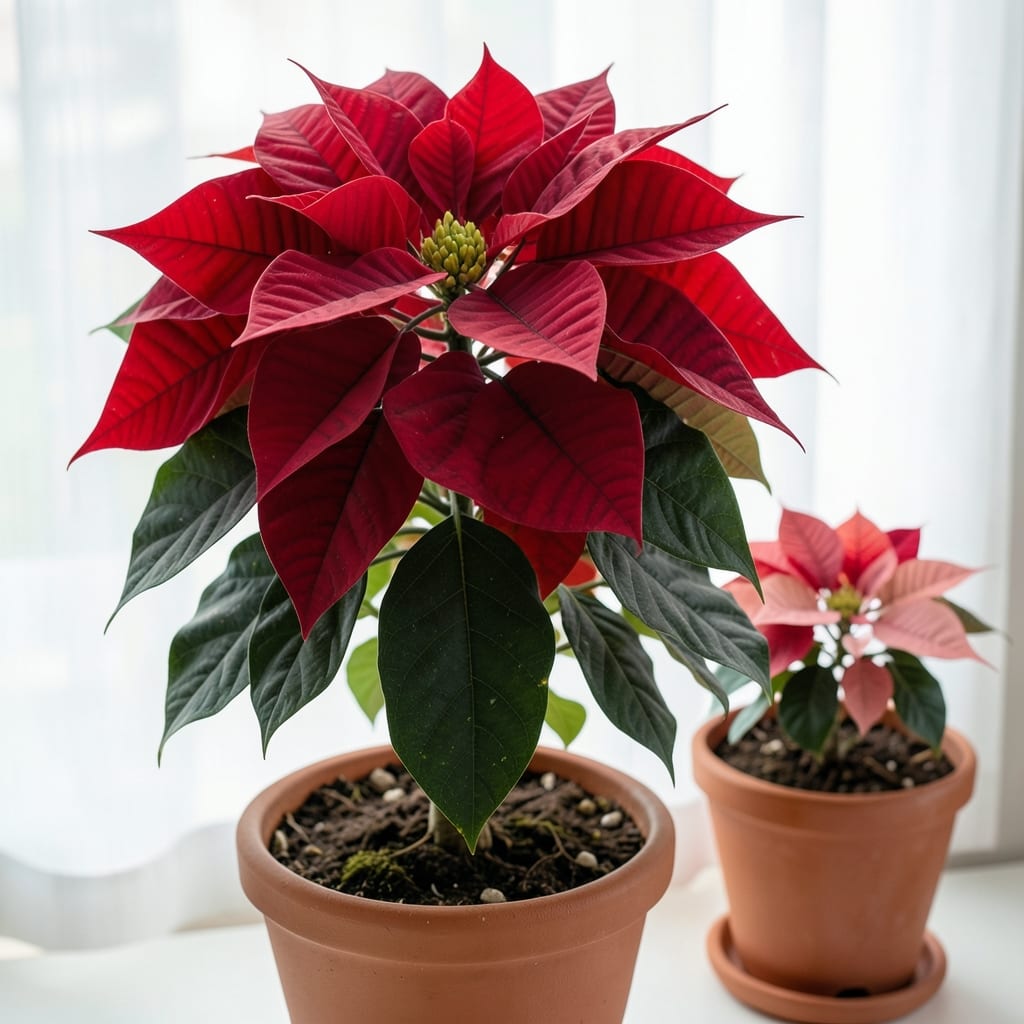
Wondering how tall can poinsettias grow before they become a ceiling hazard? These festive plants—often seen as 🎄 holiday stars—can surprise you with their size, depending on where and how you grow them.
Most poinsettias cap out between 2 to 4 feet tall, but dwarf varieties stay compact at just 1 to 2 feet, making them perfect for small spaces. The key difference? Variety, light exposure, and even your pruning habits can turn a modest plant into a towering showstopper—or keep it neatly sized for your shelf.
If you’re dreaming of a 4-foot-tall poinsettia, you’ll need the right conditions: bright indirect light, occasional pruning to encourage bushiness, and patience. But don’t worry—even indoor plants can thrive with simple adjustments. Let’s break down the factors that shape their height and how to guide their growth exactly how you want.
Whether you’re dealing with a leggy plant or hoping to coax extra height, the secrets to managing poinsettia size are simpler than you think. Ready to learn how to grow the perfect 🎄 for your space?

Poinsettia height by variety: from dwarf to giant sizes
Poinsettias aren’t one-size-fits-all—some varieties stay petite enough for a windowsill, while others reach ceiling-height drama. The 🎄 you choose determines whether you’ll need a ladder or just a sturdy shelf. Most standard poinsettias grow 3 to 4 feet tall, but dwarf and compact varieties can stay as short as 1 to 2 feet, making them ideal for apartments or offices.
Outdoor-grown poinsettias in USDA Zone 6a or warmer often outpace their indoor counterparts, thanks to longer daylight and warmer temperatures. For example, the ‘Freedom Red’ variety can stretch toward 4 feet outdoors but typically maxes out at 3 feet indoors. Meanwhile, ‘Winter Rose’ stays compact at 2 to 3 feet, perfect for smaller spaces.
Here’s how popular varieties stack up in height—because knowing your plant’s potential helps you plan for light, space, and support before it’s too late.
| Variety | Indoor Height | Outdoor Height | Growth Habit | Best For |
|---|---|---|---|---|
| ‘Winter Rose’ | 1–2 ft | 2–3 ft | Compact, bushy | Small spaces, offices |
| ‘Freedom Red’ | 3–4 ft | 4–5 ft | Tall, leggy if unsupported | Statement plants, large pots |
| ‘Premier Red’ | 2–3 ft | 3–4 ft | Balanced, sturdy | Indoor/outdoor versatility |
| ‘Ice Punch’ (white bracts) | 2–3 ft | 3 ft | Medium, rounded | Bright spaces, contrast displays |
| ‘Dwarf Red’ | 1–1.5 ft | 1.5–2 ft | Ultra-compact | Desks, shelves, gifts |
If you’re growing poinsettias outdoors in warmer climates (Zones 9–11), expect even taller results—some varieties can hit 5 feet or more with ideal conditions. However, most gardeners in cooler zones treat poinsettias as annuals or overwinter them indoors to control height.
Pro tip: Dwarf varieties like ‘Dwarf Red’ are bred for slow vertical growth, making them ideal if you’re short on ceiling space. But if you love the dramatic look of a towering poinsettia, standard varieties like ‘Freedom Red’ will deliver—just be ready to prune and stake for support.
Light exposure plays a huge role in height. Poinsettias grown in low light often stretch toward sunlight, becoming leggy and top-heavy. To keep them stocky and proportional, rotate your pot quarter-turns weekly for even growth.
For outdoor gardeners, planting poinsettias in partial shade (like under a tree canopy) can limit excessive height while still encouraging vibrant bracts. Just avoid full shade, which stunts growth entirely.
Whether you’re aiming for a tiny tabletop poinsettia or a floor-filling holiday centerpiece, choosing the right variety is your first step. Next, we’ll dive into the care factors that can push your poinsettia toward its maximum height—or keep it neatly sized.
Factors that limit or boost poinsettia growth height
Your poinsettia’s height isn’t set in stone—it’s shaped by a mix of light, temperature, and care habits. Too little light? Your plant will stretch like a sleepy cat toward the sun, becoming leggy and unstable. Too much heat? Growth can slow or even stop. The good news? Small tweaks in your routine can control or encourage height exactly how you want.
Let’s start with the biggest influencer: light exposure. Poinsettias thrive in bright indirect light (think east or west-facing windows). Without enough light, they’ll grow taller but weaker, with long stems and sparse bracts. Place them too close to a south-facing window, and you risk leaf scorch—which stresses the plant and stunts growth. The sweet spot? 6–8 hours of filtered light daily, about 2–3 feet from the window.
Here are the top 5 factors that shape your poinsettia’s height—and how to use them to your advantage:
- 1 Light Exposure: Too little light = tall, leggy growth. Too much direct sun = stunted, stressed plants. Solution? Rotate pots weekly for even growth and use sheer curtains to diffuse harsh light.
- 2 Temperature: Ideal range is 65–75°F. Below 55°F, growth slows or stops. Above 80°F, buds may fail to form. Use a heat mat in winter if indoors feels drafty.
- 3 Pruning Habits: Pinch back top growth in early summer to encourage bushier, shorter plants. Skip pruning? You’ll get a single-stemmed giant—great for drama, but less stable.
- 4 Soil & Pot Size: Root-bound plants grow taller but weaker. Upgrade pots by 1–2 inches every year and use well-draining soil to prevent stunted growth from waterlogged roots.
- 5 Darkness Cycle: Poinsettias need 14+ hours of darkness daily for 4–6 weeks to bloom. Too much light during this phase = taller but flowerless stems. Use a blackout curtain or move plants to a closet at night.
Temperature is another silent height controller. Poinsettias slow down when it’s too cold (below 55°F) and may refuse to bloom if too hot (above 80°F). If you’re growing outdoors in cooler climates, bring pots inside before first frost to protect them—and their height potential.
Pro tip: Fertilizer timing matters too. Over-fertilizing in late summer can push leafy growth over blooms, making your plant taller but less festive. Stick to a balanced 10-10-10 fertilizer every 4–6 weeks during spring and summer, then switch to a bloom booster in early fall.
For outdoor gardeners, mulch around the base of your poinsettia to insulate roots and encourage steady growth. In containers, use a self-watering pot to avoid root stress from uneven moisture—stressed plants grow taller but weaker.
Want a shorter, bushier poinsettia? Pinch back the top sets of leaves in early summer to encourage branching. Aiming for height? Let it grow tall but stake it early to prevent flopping. The key is consistency: small adjustments now mean big differences in your poinsettia’s final height.