
Trees
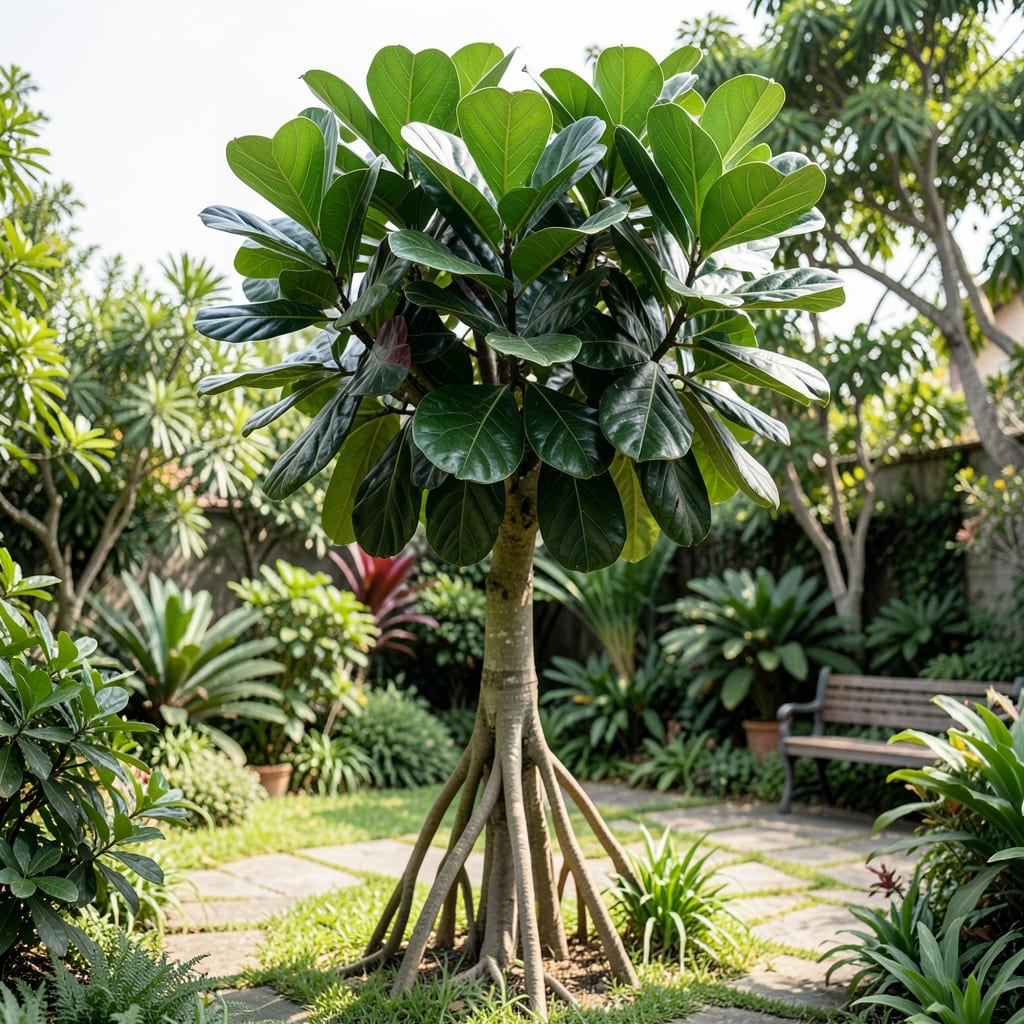
Ever wondered how tall can a rubber tree grow? The answer might surprise you—indoor rubber trees can reach 10 feet or more if left unchecked, while their outdoor cousins can soar up to 35 feet in the right conditions.
If you're planning your garden or deciding whether to prune that lush Ficus elastica in your living room, knowing these height limits is key. Some varieties like 'Black Prince' grow faster than others, and factors like light, pot size, and pruning habits all play a role in how tall your rubber tree becomes.
I’ll break down the differences between indoor and outdoor growth, plus 5 key factors that determine whether your rubber tree stays compact or becomes a vertical statement piece. Ready to plan for your plant’s future?
Whether you’re dealing with a 6-foot ceiling or a sprawling backyard, this guide will help you keep your rubber tree at the perfect height—without sacrificing its stunning foliage.


Indoor rubber tree height limits: how big can it grow inside?
If you’re growing a rubber tree (Ficus elastica) indoors, its height depends heavily on your space, care routine, and pruning habits. Without intervention, these tropical beauties can easily reach 10 feet or taller in just a few years, making them a dramatic focal point—or a ceiling-crashing nightmare.
Most indoor rubber trees grow 2-4 feet in their first year, then add 1-2 feet annually if given ideal conditions. Varieties like 'Black Prince' or 'Decora' tend to grow faster than variegated types, which often stay slightly shorter due to their slower metabolism.
To keep your rubber tree at a manageable height—say, 6-8 feet—regular pruning is essential. I’ve found that pinching back the tips of new growth in early spring encourages bushier growth and prevents vertical sprawl.
Light exposure is another critical factor. Rubber trees thrive in bright, indirect light, which fuels their rapid growth. If yours is tucked in a dim corner, expect slower height gains but potentially larger leaves as it stretches toward the light.
Pot size also plays a role: Root-bound rubber trees grow taller as they compete for space. Upgrading to a slightly larger container every 2-3 years can help manage height by encouraging wider root growth instead of vertical shoots.
Here’s what you can expect from a well-cared-for indoor rubber tree over time:
| Growth Stage | Height Range | Timeframe |
|---|---|---|
| Seedling | 1-2 ft | First 6 months |
| Juvenile | 4-6 ft | Years 1-3 |
| Mature (unpruned) | 10-12 ft | Years 5+ |
| Pruned Regularly | 6-8 ft | Ongoing |
For example, my 5-year-old 'Black Prince' currently stands at 8 feet but stays bushy thanks to annual pruning. I prune it in late winter to shape it and propagate new cuttings for friends—it’s a win-win!
If your ceiling is 8 feet or lower, plan to prune your rubber tree at least twice a year. Use clean, sharp pruners to avoid damaging the stem, and always sterilize tools with rubbing alcohol to prevent disease.
One common mistake is letting rubber trees grow too tall before pruning. If yours has already outgrown its space, don’t panic—you can still prune back to a desired height and encourage new growth from the stump. Just be patient; it may take a season or two to regain its full foliage.
Pro tip: If you want a bushier, multi-stemmed rubber tree, prune the main stem just above a leaf node and place cuttings in water to root. This way, you get a fuller plant and free propagation material!
Outdoor rubber tree growth potential: how tall can it get outside?
When rubber trees (Ficus elastica) thrive outdoors in ideal conditions, they can become true giants, reaching heights of 20-35 feet or more. Unlike their indoor counterparts, outdoor rubber trees grow much faster due to abundant sunlight, space, and optimal humidity—especially in tropical and subtropical climates.
In their native habitats, like Southeast Asia, rubber trees can grow over 100 feet tall in the wild, though cultivated varieties typically max out at 35 feet in gardens. The key difference? Outdoor rubber trees develop a stronger, woody trunk and broader canopy, making them a stunning shade tree for large properties.
Here’s how outdoor rubber trees compare to indoor ones in terms of growth potential:
| Factor | Indoor Growth | Outdoor Growth |
|---|---|---|
| Mature Height | 6-12 ft (unpruned) | 20-35 ft (or taller) |
| Growth Rate | 1-2 ft/year | 3-5 ft/year |
| Trunk Thickness | Thin, flexible | Thick, woody |
| Canopy Spread | 3-5 ft wide | 10-15 ft wide |
| Pruning Needs | Frequent (2x/year) | Moderate (annual) |
Outdoor rubber trees thrive in USDA zones 9-11, where they can handle year-round warmth and humidity. In cooler climates (zones 6-8), they may struggle with frost but can still reach 15-20 feet if planted in sheltered spots or brought indoors during winter.
For example, in Florida or Hawaii, rubber trees grow aggressively, often requiring pruning to control their size. I once visited a 25-foot-tall rubber tree in a subtropical garden—its broad leaves provided perfect shade for a patio area, proving how versatile these trees can be outdoors.
If you’re considering planting a rubber tree outside, choose a sunny, well-draining location with 6+ hours of sunlight daily. Amend the soil with compost to improve drainage, as rubber trees hate soggy roots. Mulch around the base to retain moisture and regulate soil temperature.
One common mistake is underestimating how fast outdoor rubber trees grow. If you plant one near your home’s foundation, give it plenty of space—at least 10 feet from structures—to avoid root damage or overcrowding. Regular pruning in late winter helps maintain shape and encourages bushier growth.
For gardeners in cooler climates, consider growing rubber trees in large containers that can be moved indoors during winter. This hybrid approach lets you enjoy their outdoor height potential while protecting them from frost.