
Trees
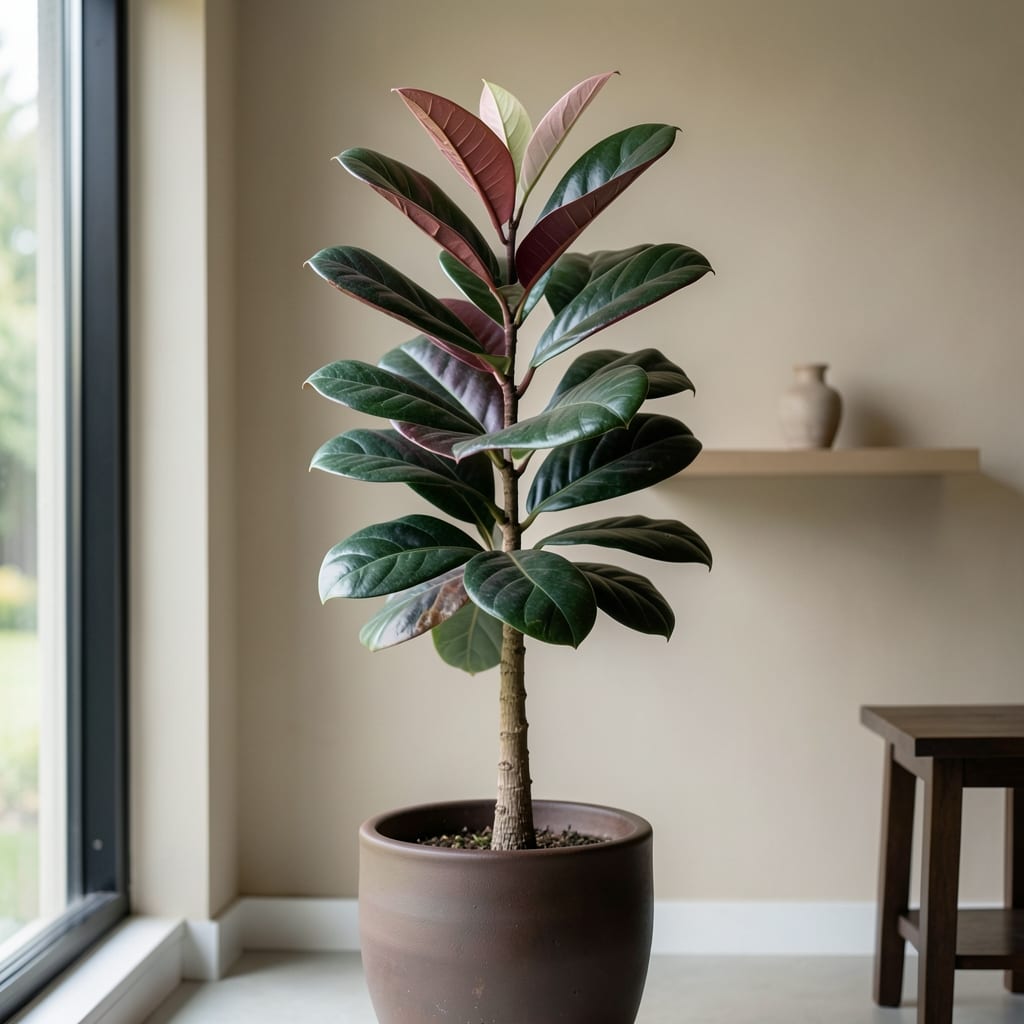
If you’ve ever wondered how tall can rubber trees grow, the answer might surprise you—these resilient plants can stretch from a modest 6-foot indoor statement piece to a towering 50-foot outdoor giant under the right conditions. The difference? Where you grow them and how you care for them.
Your cozy apartment’s ceiling might limit your 🌿 rubber tree to a manageable 10-foot height, but in the right climate, these tropical beauties can reach small-tree proportions. Whether you’re dreaming of a lush indoor jungle or an outdoor focal point, understanding their growth potential is key to keeping them happy—and contained.
In this guide, I’ll break down the science behind rubber tree height, from indoor growth limits to outdoor sky-scraping potential. You’ll learn how light, pruning, and even your USDA zone play a role in their vertical ambitions. Ready to discover how to shape your plant’s future?
Let’s dive into the factors that determine whether your rubber tree stays compact or climbs toward the sky—because with the right care, the possibilities are endless.

Indoor rubber tree height limits: how big can they get inside?
If you’re wondering how tall can rubber trees grow indoors, the answer depends on your ceiling height and care routine. Under ideal conditions, these plants can reach 10–12 feet tall inside, but most homeowners keep them between 6–8 feet for practicality. Without proper pruning, some rubber trees have even topped 15 feet in spacious homes—imagine a 🌿 Ficus elastica reaching your light fixture!
Indoor rubber trees grow 1–2 feet per year when happy, but growth slows dramatically in low light. For example, a 3-foot tree in a bright room might hit 6 feet in 3 years, while one in a dim corner could take 5+ years to double in height. The key? Light exposure and pruning frequency make all the difference.
Here’s what you need to know about managing their height indoors:
| Factor | Indoor Growth Impact | Actionable Tip |
|---|---|---|
| Light Exposure | 6–12 ft tall with bright indirect light; 3–5 ft in low light | Rotate plant weekly for even growth |
| Pruning Frequency | Can reduce height by 30–50% with regular pruning | Trim top growth in spring to control height |
| Pot Size | Root-bound trees grow taller but slower | Repot every 2–3 years for faster growth |
| Fertilizer Use | Balanced NPK boosts height by 20–30% | Use 10-10-10 fertilizer every 6 weeks in spring/summer |
One common misconception is that rubber trees will always grow tall—they won’t if you prune them correctly. For example, my 5-year-old rubber tree stays at 4 feet thanks to annual pruning. I simply trim the top 2–3 inches in early spring, and it responds with bushier, fuller growth instead of shooting upward.
If you’re concerned about height, consider these pruning techniques:
- Pinch back new growth to encourage branching
- Use a clean, sharp pair of pruning shears to avoid tearing leaves
- Remove leggy stems to redirect energy to side shoots
For those with high ceilings (10+ feet), rubber trees can become stunning vertical features. Just ensure they’re placed near a bright window—like an east or west-facing one—to fuel their growth. Without enough light, they’ll grow tall but leggy, with sparse foliage.
Pro tip: If your rubber tree outgrows its space, you can propagate the cuttings to create smaller plants. Simply place stem cuttings in water, and in 2–3 weeks, you’ll have new baby rubber trees ready to thrive in smaller pots!
Remember, the average indoor rubber tree tops out at 8–10 feet, but with the right care, you can shape it to fit your space perfectly. Whether you want a tall statement piece or a compact desk companion, the choice is yours.
Outdoor rubber tree growth: can they reach small tree heights?
When rubber trees (Ficus elastica) thrive outdoors, their growth potential transforms dramatically. In ideal conditions—like USDA zones 10–12—these tropical plants can reach 10–30 feet tall, with some mature specimens even surpassing 50 feet in their native habitats. Unlike their indoor counterparts, outdoor rubber trees grow 2–4 feet per year, turning into striking small trees with thick trunks and glossy foliage.
Outdoor growth depends heavily on climate. In warm, humid regions, rubber trees grow aggressively, while in cooler zones, their growth slows or stops entirely during winter. For example, a rubber tree in Florida’s zone 10 might hit 20 feet in 5 years, whereas one in California’s zone 11 could reach 30+ feet under perfect conditions. Frost is their enemy—even a light freeze can damage leaves and stunt growth.
Here’s how outdoor conditions compare for rubber tree height:
Outdoor Rubber Tree Growth Factors
✅ Pros of Outdoor Growth
- Faster growth: 2–4 ft/year vs. 1–2 ft indoors
- Larger size: 10–30 ft vs. 6–12 ft indoors
- Thicker trunks: Develops woody stems over time
- More foliage: Larger, glossier leaves
⚠️ Cons of Outdoor Growth
- Frost sensitivity: Dies back in zones below 10
- Pest risks: More vulnerable to spider mites/scale
- Pruning challenges: Harder to control height once established
- Space needs: Requires 10+ ft clearance
If you’re growing rubber trees outdoors, soil quality and sunlight are critical. They prefer well-draining, slightly acidic soil (pH 6.0–6.5) and morning sun with afternoon shade to prevent leaf scorch. In containers, their growth is slower but manageable—expect 6–10 feet in 5 years. For in-ground planting, mulch around the base to retain moisture and encourage deeper root growth, which supports taller stature.
For those in cooler climates, consider dwarf varieties like 'Black Prince' or 'Tineke,' which stay compact (6–10 feet) but still offer vibrant foliage. These varieties are ideal for USDA zones 9–11 and tolerate slightly cooler temperatures. Even in containers, they’ll grow 30–50% slower than standard types, making them easier to manage.
One of my outdoor rubber trees in zone 10 now stands at 15 feet after 7 years—it gets 6 hours of morning sun and is mulched heavily. The key? Consistent watering (deep soaks every 5–7 days) and annual pruning to shape its canopy. Without these steps, it would’ve grown even taller but with weaker branches.
Remember, outdoor rubber trees are not cold-hardy. If you live in zones below 10, grow them in large containers and bring them indoors during winter. With the right care, your outdoor rubber tree can become a stunning focal point—just be prepared for its ambitious growth!