
Plants
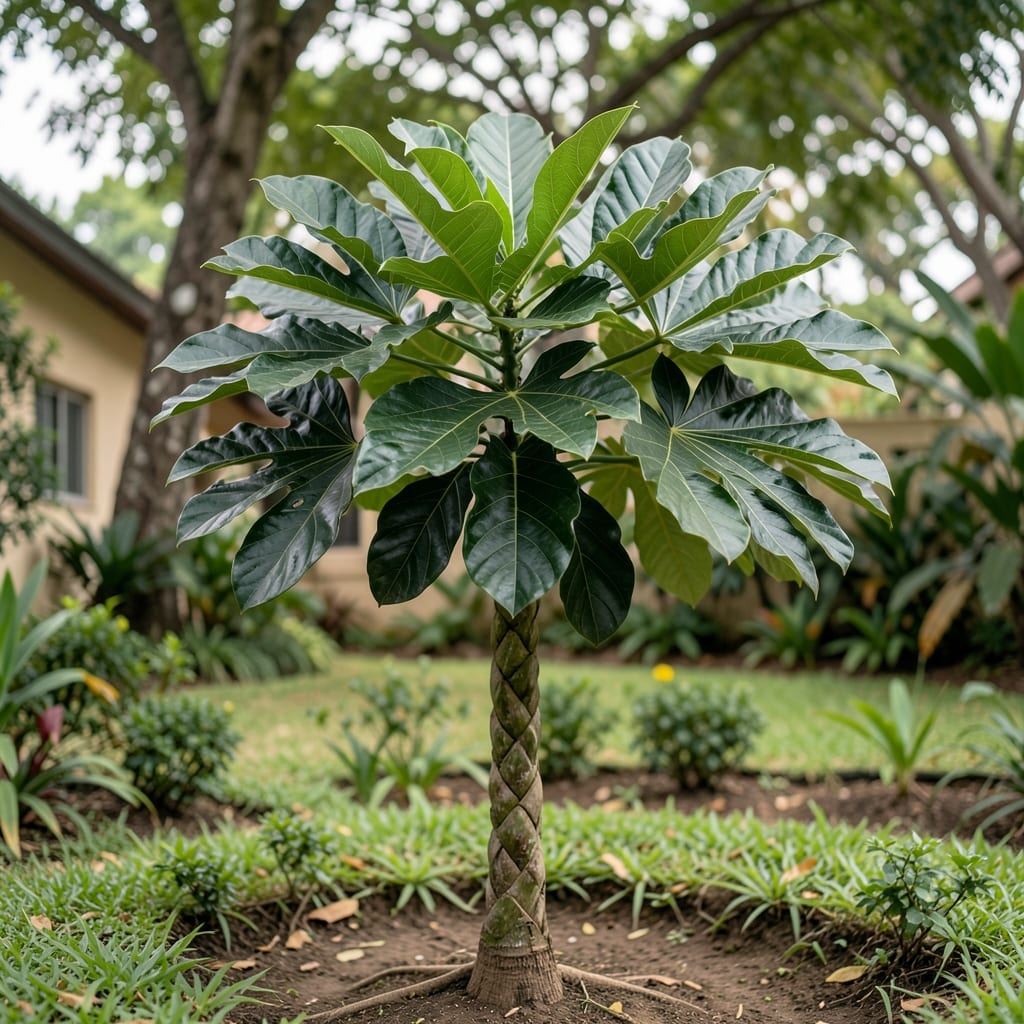
If you’ve ever wondered just how tall can money trees grow, you’re not alone—these tropical favorites can become both a stunning centerpiece and a surprisingly tall addition to your space. 🌿 With the right care, a money tree (Pachira aquatica) can reach heights of 6 to 10 feet indoors, while outdoor varieties in warmer climates can stretch even taller, rivaling small trees in your landscape.
The key to unlocking their full height potential lies in understanding their growth habits. Indoors, your money tree’s height depends on factors like pot size, light exposure, and pruning. Without regular trimming, it can grow steadily over years, becoming a striking vertical feature in your home. But if you’re dreaming of a backyard giant, outdoor conditions—like USDA Zone 6a’s mild springs and ample sunlight—can push them to even greater heights.
Whether you’re growing a braided variety for aesthetic appeal or a standard type for lush foliage, the growth rate varies. In their first year, expect 1 to 2 feet of growth, but with proper care, they can add 3 to 5 feet annually in ideal conditions. The good news? Even if you’re working with limited space, container gardening lets you control their height while still enjoying their beauty.
Ready to turn your money tree into a statement piece? I’ll break down the factors that influence their height—from indoor growth limits to outdoor possibilities—and share tips to shape them exactly how you want. Let’s get growing!


Indoor money tree growth limits: how tall can they get inside?
Growing a money tree indoors is one of my favorite ways to bring tropical charm into my home, but many gardeners wonder: how tall can money trees grow in a pot? The answer depends on a few key factors, including your care routine and the variety you choose. On average, indoor money trees can reach 6 to 10 feet tall with proper care, though most stay between 3 and 6 feet in typical household settings. The braided variety, often sold as a decorative plant, tends to grow slower and stays more compact unless you intentionally encourage rapid growth.
One of the biggest influences on height is pot size. Money trees are tropical plants that thrive when slightly root-bound, but if you keep them in a small container, their growth will be limited. A pot that’s 2 to 3 inches larger in diameter than the plant’s current root ball can encourage upward growth, while a much larger pot may lead to leggy, weak stems. I’ve found that repotting every 2 to 3 years helps maintain a steady growth rate without overwhelming the plant.
Light exposure plays a critical role too. Money trees love bright, indirect sunlight, which is why placing them near an east or west-facing window is ideal. If your money tree isn’t getting enough light, it may grow slowly or develop long, spindly stems as it stretches toward the nearest light source. In my experience, a 4 to 6-hour daily dose of indirect light keeps them growing strong and healthy. Rotate your plant every few weeks to ensure even growth all around.
Pruning is another tool you can use to control height. Regular trimming not only keeps your money tree at a manageable size but also encourages bushier growth. I like to prune mine in the spring or early summer when new growth is just beginning. Simply cut back leggy stems to just above a leaf node, and your plant will respond by filling out more densely. This technique is especially useful if you’re growing a braided variety and want to maintain its aesthetic appeal.
Here’s what you can expect in terms of growth rates: In their first year, money trees typically grow 1 to 2 feet tall. With consistent care, they can add 3 to 5 feet per year afterward, though this varies based on conditions. If you’re patient and provide optimal care, a money tree can become a stunning vertical feature in your home within just a few years. The key is balancing growth with maintenance to keep it healthy and thriving.
| Factor | Impact on Height | Optimal Condition |
|---|---|---|
| Pot Size | Limits root growth, restricts height | 2-3 inches larger than root ball |
| Light Exposure | Insufficient light = leggy growth | 4-6 hours bright indirect light |
| Pruning Frequency | Encourages bushier, controlled growth | Spring or early summer |
| Fertilizer Use | Supports faster, healthier growth | Balanced 10-10-10, every 4-6 weeks |
| Watering Routine | Over/under-watering stunts growth | Deep soak weekly, let topsoil dry |
If you’re growing a money tree indoors and notice it’s growing too tall for your space, don’t worry—there are ways to manage its height without sacrificing its health. One method is to top the plant regularly, which encourages lateral growth and keeps it bushier. Another option is to propagate cuttings from the top to create new plants while controlling the height of the parent. I’ve had great success with this method, and it’s a fun way to expand your money tree collection without losing any height from the original plant.
Signs your money tree is getting too tall include leggy stems, yellowing leaves, or difficulty fitting it in its usual spot. If you notice these issues, it’s time to reassess your care routine. Overwatering or insufficient light can also contribute to stunted growth, so make sure you’re providing the right conditions. A healthy money tree should have deep green leaves and a sturdy trunk—if it’s looking weak or sparse, it may need a little extra care to bounce back.
For those who love the idea of a tall indoor money tree but have limited ceiling height, consider growing it as a multi-stemmed plant. By pruning the main stem and encouraging side shoots, you can create a fuller, wider plant that stays shorter overall. This approach works especially well with braided varieties, where the aesthetic appeal lies in the intricate weave of the stems. With a little creativity, you can enjoy the beauty of a money tree without it becoming an unwieldy giant in your living space.
In summary, indoor money trees can grow quite tall—up to 10 feet under ideal conditions—but their height is entirely manageable with the right care. By paying attention to pot size, light exposure, pruning, and fertilizing, you can shape your money tree to fit your space perfectly. Whether you want a towering centerpiece or a compact tabletop plant, the choice is yours! 🌿
Outdoor money tree growth: can they reach tree-like heights?
When you move a money tree (Pachira aquatica) outdoors, its growth potential transforms dramatically. Unlike their indoor counterparts, outdoor money trees can reach 15 to 20 feet tall—or even taller—given the right conditions. In warmer climates like USDA Zones 10-12, these tropical plants thrive as small trees, adding lush greenery to landscapes. Even in Zone 6a, where I garden, they can grow 10 to 12 feet tall with proper winter protection. The key difference? Outdoor money trees have unlimited upward growth when planted in the ground, unlike container-grown specimens.
Outdoor growth depends heavily on soil quality and sunlight exposure. Money trees love well-draining, slightly acidic soil rich in organic matter. In my garden, I’ve seen the fastest growth when planted in partial shade to bright indirect light, mimicking their native tropical habitats. Full sun can scorch their leaves, while too little light slows their vertical ascent. A 6-hour daily light exposure is ideal—think dappled shade under taller trees or an east-facing border.
| Condition | Indoor Growth | Outdoor Growth |
|---|---|---|
| Max Height | 6-10 ft | 15-20 ft |
| Growth Rate | 1-2 ft/year | 3-5 ft/year |
| Light Needs | Bright indirect | Partial shade |
| Water Needs | Weekly deep soak | Bi-weekly deep water |
| Pruning Needs | Regular topping | Minimal shaping |
One of my favorite outdoor money trees reached 12 feet in just 4 years when planted in a sheltered garden bed with morning sun. The secret? I mulched heavily around the base to retain moisture and added compost annually to fuel rapid growth. Unlike indoor plants, outdoor money trees develop thicker trunks and broader canopies, making them perfect for privacy screens or focal points in tropical-themed gardens.
For gardeners in cooler climates like Zone 6a, winter care is critical. Money trees can’t tolerate frost, so I wrap the base with burlap and bubble wrap and move potted specimens indoors. Even when dormant, they’ll resume vigorous growth in spring. In warmer zones, they remain evergreen year-round, providing year-long interest. The trade-off? Outdoor money trees require more maintenance—regular pruning to remove dead branches and occasional pest control for aphids or scale.
If you’re considering planting a money tree outdoors, start with a 2-3 year old specimen for faster establishment. Smaller plants may struggle with transplant shock. I’ve also had success growing them in large containers (20+ gallons) for flexibility—these can reach 8-10 feet tall while remaining portable. The key is balancing their tropical needs with your local climate, whether that means winter protection or strategic planting in microclimates.
For those who love the idea of a money tree as a small tree, the braided variety works beautifully outdoors too. While it grows just as tall, its intricate stem weaves add architectural interest. Just be prepared to prune annually to maintain the braid’s shape as the plant matures. With patience, your outdoor money tree could become the centerpiece of your garden—a living testament to tropical beauty in your own backyard. 🌳