
Trees
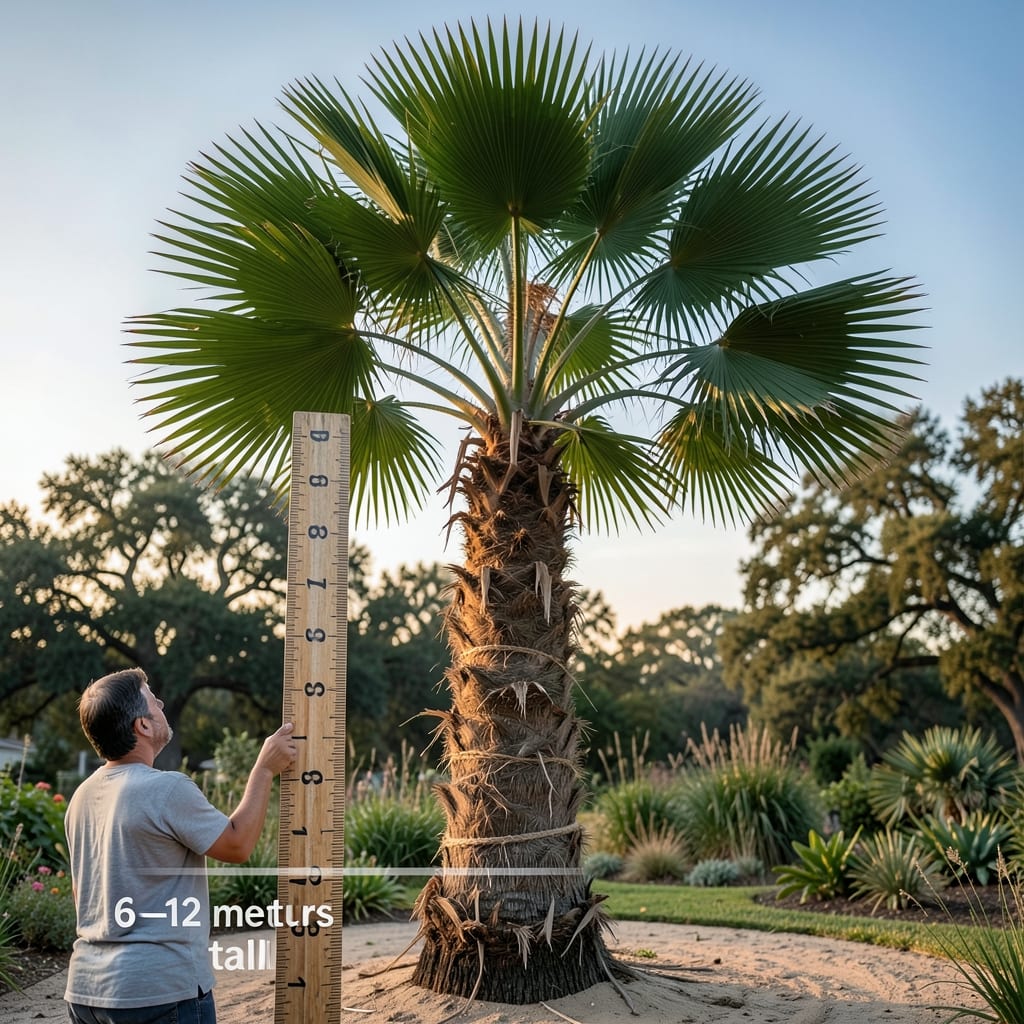
Ever wondered how tall a Sabal palm can grow in meters in your backyard? The answer might surprise you—these tropical beauties can reach heights that rival small trees, but their growth depends on the variety and where you live.
If you're planning a landscape that feels like a Caribbean escape, knowing the mature size of your Sabal palm is key. Some varieties top out at a modest 10 meters, while others can soar to 18 meters or more—think skyscraper heights for your garden!
Whether you're in USDA zones 9-11 or just love the idea of a palm's dramatic presence, understanding these growth ranges helps you space plants wisely and avoid future headaches. Let’s explore the exact heights by species and how climate plays a role.
From dwarf varieties perfect for small yards to towering giants that make a statement, I’ll break down everything you need to know to choose—and grow—the perfect Sabal palm for your space.


Sabal palm height by variety: mature size in meters compared
If you’re planning your dream landscape with Sabal palms, knowing their mature heights in meters is essential. The Sabal palmetto and Sabal minor are two of the most popular varieties, but their growth patterns differ significantly. The Sabal palmetto, for example, can reach an impressive 12-18 meters (40-60 feet) at maturity, making it a statement piece for large properties.
On the other hand, the Sabal minor, also called the dwarf palmetto, tops out at a more manageable 3-6 meters (10-20 feet). This variety is perfect for smaller yards or urban gardens where space is limited. Understanding these height ranges helps you choose the right palm for your landscape design.
Below is a detailed comparison of the most common Sabal palm varieties, including their mature heights, growth rates, and spread. This will help you visualize how each variety will fit into your outdoor space.
| Variety | Mature Height (meters) | Spread (meters) | Growth Rate | Notes |
|---|---|---|---|---|
| Sabal palmetto | 12-18 | 6-9 | Moderate to fast | Tallest Sabal; thrives in coastal areas. |
| Sabal minor (Dwarf Palmetto) | 3-6 | 2-4 | Slow to moderate | Ideal for small spaces; cold-hardy. |
| Sabal mexicana | 8-12 | 4-6 | Moderate | Drought-tolerant; great for arid climates. |
| Sabal etonia (Blue Palmetto) | 6-9 | 3-5 | Slow | Unique blue-green fronds; cold-resistant. |
The Sabal palmetto is the tallest variety, often reaching heights of 18 meters or more in ideal conditions. This makes it a stunning focal point for large gardens or coastal landscapes. Meanwhile, the Sabal minor and Sabal etonia are excellent choices if you have limited space or live in cooler climates.
When planning your landscape, consider not only the height but also the spread of the palm. A Sabal palmetto can spread up to 9 meters, while the Sabal minor stays more compact at 2-4 meters. This ensures your palms won’t overcrowd other plants or structures as they mature.
If you’re unsure which variety to choose, think about your USDA hardiness zone and the overall aesthetic you want to achieve. For example, the Sabal mexicana is perfect for arid climates and can handle drought conditions better than other varieties. Meanwhile, the Sabal minor is more adaptable to cooler temperatures, making it a great option for zones 8-10.
For a quick reference, here’s a summary of the best Sabal palm varieties based on your space and climate needs:
- ✅ Large spaces: Sabal palmetto (12-18m)
- ✅ Small spaces: Sabal minor (3-6m)
- ✅ Arid climates: Sabal mexicana (8-12m)
- ✅ Cooler climates: Sabal etonia (6-9m)
Once you’ve chosen your Sabal palm variety, the next step is to ensure it thrives in your garden. Proper soil drainage, sunlight exposure, and regular watering are critical to achieving the mature height you desire. In the next section, we’ll explore how climate zones can further influence the growth of your Sabal palm.
Climate zones and Sabal palm growth: how cold tolerance affects height
Your USDA hardiness zone plays a crucial role in determining how tall your Sabal palm will grow. While these palms thrive in warm climates, some varieties tolerate cooler temperatures better than others. For instance, in zones 9-11, Sabal palms can reach their full potential height, often exceeding 12 meters. However, in zone 8 or cooler, growth may be stunted, and dwarf varieties like Sabal minor become the best choice.
Cold snaps below 5°C (41°F) can damage or even kill less hardy Sabal varieties. The Sabal palmetto, for example, struggles in zones colder than 8b, while the Sabal minor can survive brief dips to -5°C (23°F), making it ideal for zone 8 gardens. Understanding these limits helps you select the right palm for your climate and avoid disappointment.
Here’s how different USDA zones influence Sabal palm growth, including expected mature heights and cold tolerance:
| USDA Zone | Cold Hardiness (°C) | Best Variety | Mature Height (m) | Notes |
|---|---|---|---|---|
| 8 | -12°C to -9°C (10°F to 15°F) | Sabal minor | 3-6 | Coldest zone for Sabal; dwarf varieties only. |
| 9 | -7°C to -4°C (19°F to 25°F) | Sabal etonia, Sabal minor | 4-9 | Moderate growth; avoid winter damage. |
| 10 | -1°C to 4°C (30°F to 39°F) | Sabal palmetto, Sabal mexicana | 8-15 | Optimal for taller varieties; minimal winter risk. |
| 11 | 4°C to 10°C (39°F to 50°F) | All Sabal varieties | 12-18+ | Best growth conditions; no winter stress. |
If you live in zone 8, focus on Sabal minor or Sabal etonia, as these varieties can handle the cooler temperatures. In zones 9-11, you have more flexibility, including taller options like Sabal palmetto or Sabal mexicana. These varieties can reach their full height potential with minimal winter stress, making them ideal for larger landscapes.
To maximize growth in cooler zones, consider planting your Sabal palm near a south-facing wall or using mulch to insulate roots. This extra protection can help your palm survive occasional cold snaps and grow closer to its expected height. For example, a Sabal minor in zone 9 might reach 5 meters with proper care, while one in zone 8 may only reach 3 meters.
In warmer zones like 10-11, your Sabal palm can grow 30% faster due to longer growing seasons and consistent warmth. However, even in these ideal conditions, proper soil drainage and sunlight exposure are critical. Without these, your palm may grow slower or develop health issues, limiting its mature height.
For gardeners in transition zones (8b-9a), microclimates can make a big difference. A Sabal palmetto planted in a sheltered spot might survive winters and reach 10 meters, while one exposed to cold winds may struggle. Always monitor your palm’s health and adjust care as needed to encourage optimal growth.