
Size
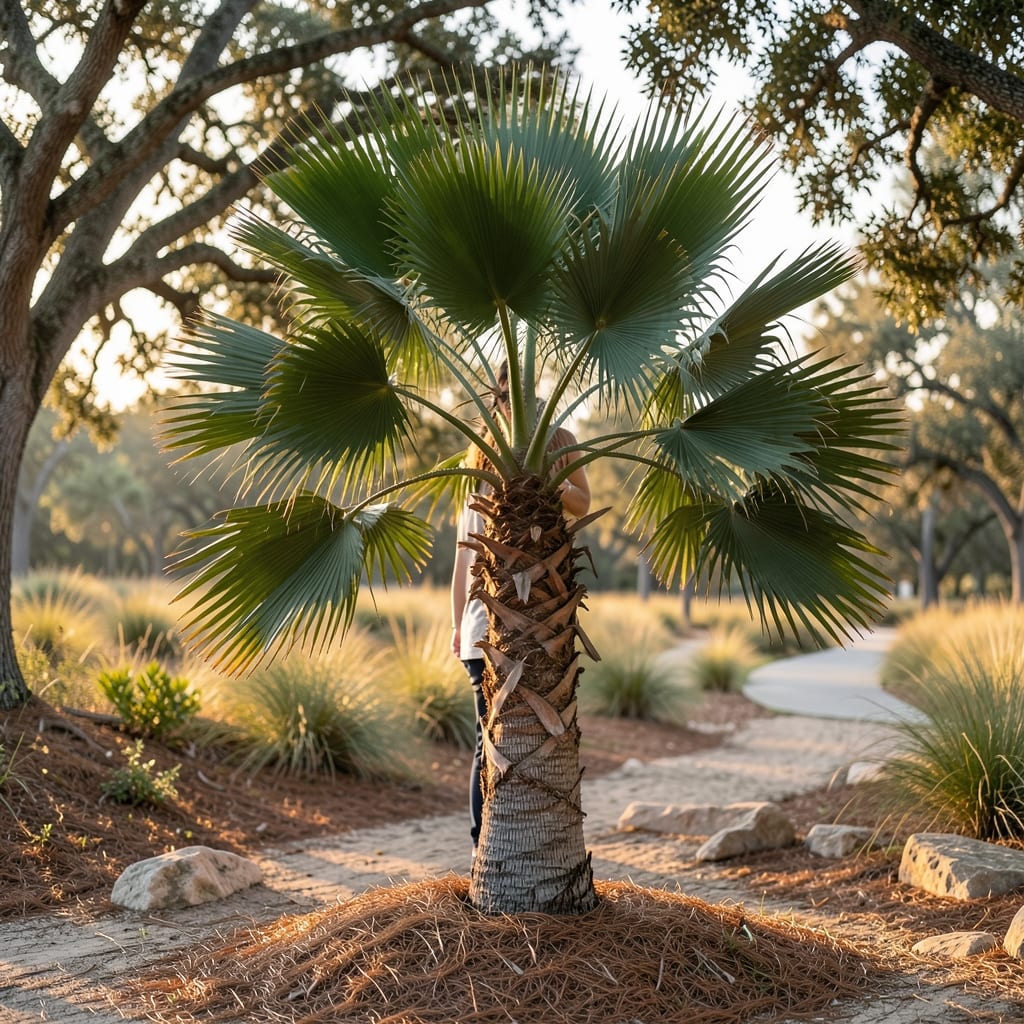
If you're wondering "how tall can the Sabal palm grow in meters", you're about to discover a tropical giant that might surprise you—this iconic palm can reach heights of 6-15 meters (20-50 feet) in ideal conditions, making it a stunning focal point for any landscape.
Native to General (Tropical/Subtropical Regions), the Sabal palm thrives in USDA zones 9b-11, where it grows steadily over decades, adding 1-2 meters per year under perfect care. Whether you're planning an urban garden or a coastal retreat, its towering presence brings drama without requiring excessive space.
But here's the best part: unlike some palms that need constant babying, the Sabal palm is low-maintenance once established. With the right sunlight, soil, and watering routine, you can encourage its natural growth—without worrying about it outgrowing your yard overnight.
Let's break down exactly what influences its height, from variety to care tips, so you can decide if this 🌴 beauty is the right fit for your space. Ready to plant the perfect palm?


Sabal palm height by variety: exact growth ranges in meters
The Sabal palm isn't just one plant—it's a family of tropical giants, each with its own height potential. If you're planning your landscape around these palms, knowing their mature sizes in meters will help you choose the perfect variety for your space. Let's dive into the specifics of the most popular Sabal species and their impressive vertical growth.
First, the Sabal palmetto (the most well-known) typically reaches 12-15 meters (40-50 feet) at maturity, making it a true statement plant. In contrast, the Sabal minor stays more compact at 3-6 meters (10-20 feet), perfect for smaller yards or container growing. These differences matter when planning your garden layout.
Here's a quick visual reference to help you visualize their mature heights compared to everyday objects:
| Variety | Mature Height (m) | Growth Rate (m/year) | Height Comparison |
|---|---|---|---|
| Sabal palmetto | 12-15 | 0.3-0.5 | Taller than a 3-story building |
| Sabal minor | 3-6 | 0.1-0.2 | About as tall as a basketball hoop |
| Sabal mexicana | 8-12 | 0.2-0.4 | Taller than a telephone pole |
| Sabal causiarum | 6-10 | 0.2-0.3 | Similar to a two-story house |
| Sabal etonia | 4-7 | 0.1-0.2 | About as tall as a giraffe |
What's fascinating is how these palms grow over time. In their first year, you'll see only 0.3-0.6 meters of growth, but once they're established (after 3-5 years), they can add up to 0.5 meters annually under ideal conditions. This steady growth makes them predictable additions to your landscape planning.
The Sabal palmetto, for example, might take 15-20 years to reach its full height, while the Sabal minor matures faster at 10-15 years. This slower growth rate is actually beneficial—it gives you time to adjust your garden design before the palm becomes a towering feature.
One common misconception is that all Sabal palms grow equally tall. The truth is, their height is influenced by genetics, climate, and care. In coastal regions, Sabal palms often grow taller due to increased humidity and salt tolerance, while in urban settings, they might stay slightly shorter due to air pollution and limited space.
If you're considering a Sabal palm for a small urban yard, the Sabal minor or Sabal etonia would be ideal choices, staying well under 7 meters. For larger properties or tropical landscapes, the Sabal palmetto or Sabal mexicana will create that dramatic skyline effect you're looking for.
Remember, these heights are averages. With optimal care, you can encourage even taller growth, while poor conditions might result in slightly shorter palms. The key is providing the right balance of sunlight, water, and nutrients to help your Sabal palm reach its full potential.
Now that you know exactly how tall these palms can grow, let's explore how to maximize their height with proper care—because the right growing conditions can make all the difference in achieving that stunning tropical look you're dreaming of. 🌴
How to maximize Sabal palm growth: proven care tips for faster height increase
The Sabal palm's impressive height—up to 15 meters—isn’t just luck. With the right care, you can encourage faster vertical growth while keeping your palm healthy and thriving. The key lies in mimicking its natural tropical environment, where it receives abundant sunlight, well-draining soil, and consistent moisture without waterlogging.
First, let’s address the biggest myth: Sabal palms don’t need constant watering. Once established, they’re drought-tolerant, but young palms (under 3 years) need regular deep watering to establish strong root systems. Aim for 1-2 gallons per watering every 7-10 days, adjusting for heat or dry spells. Overwatering is the fastest way to stunt growth—always let the top 15-20 cm of soil dry out between waterings.
🌱
One of the most overlooked factors in maximizing height is proper planting depth. Sabal palms should be planted with the root ball slightly above ground level to prevent water pooling around the trunk. If you’re planting in urban areas with compacted soil, consider amending the planting hole with sand and compost to improve drainage and aeration.
For those in cooler climates (USDA zone 9b), winter care is critical. While Sabal palms are cold-hardy down to 10°F (-12°C), young palms benefit from wrapping the trunk with burlap during sudden cold snaps. Avoid fertilizing in winter, as the palm enters a dormant phase and won’t use nutrients efficiently.
🌿 With these tips, your Sabal palm can reach its full 6-15 meter potential in 15-25 years, depending on the variety and growing conditions. The key is patience and consistency—just like nurturing any tropical giant! For faster results, choose Sabal palmetto or Sabal minor, which grow 1-2 meters per year under ideal care.