
Plants
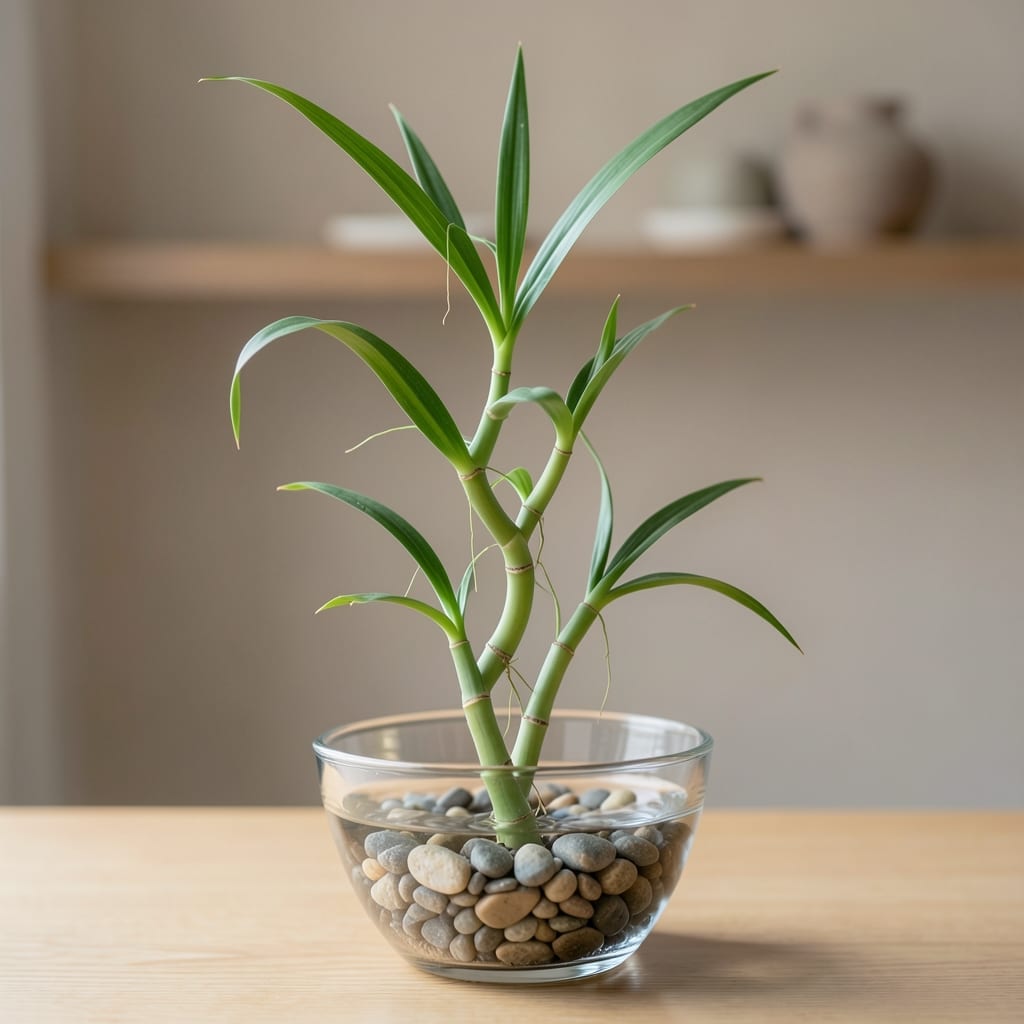
If you're wondering how tall do bamboo palms grow, the answer might surprise you—some stay as small as a coffee table while others tower like a three-story building! These tropical beauties, like the elegant 🌿 Bamboo Palm, come in all sizes, making them perfect for everything from cozy apartments to sprawling gardens.
But here's the catch: their height depends on the species, your climate, and even how you care for them. Whether you're dreaming of a lush indoor plant or a dramatic outdoor focal point, knowing the right variety for your space is the key to success. Let's break down the tallest (and shortest!) varieties so you can pick the perfect fit for your home or yard.
From dwarf varieties that barely reach your waist to giants that stretch toward the sky, bamboo palms offer something for every gardener. In USDA Zone 6a, where spring planting is ideal, choosing the right size means happier plants and easier maintenance. Ready to discover which one will thrive in your space?
We'll cover everything from growth habits to care tips, so you can enjoy these stunning plants without the guesswork. Whether you're a beginner or a seasoned gardener, this guide will help you find out exactly which bamboo palm will bring your vision to life—no matter how much (or little) space you have.


Bamboo palm height guide: 10 varieties ranked by mature size
If you're wondering how tall do bamboo palms grow, the answer varies wildly depending on the species. Some varieties stay small enough for indoor pots, while others become towering outdoor giants. To help you choose, I've ranked 10 popular bamboo palms by their mature height, from the tiniest tabletop varieties to the sky-reaching giants that need room to stretch.
Understanding these height differences is crucial because planting a 20-foot bamboo palm in your tiny courtyard will end in disaster! Let's start with the shortest options—perfect for apartments or small spaces—before we move to the giants that need yards (or even more) to thrive.
🌱
| Variety | Mature Height | Growth Rate | Best For |
|---|---|---|---|
| Dwarf Bamboo Palm (Chamaedorea elegans) | 3-6 ft | Slow (6-12 in/year) | Indoor pots, small spaces |
| Parlor Palm (Chamaedorea elegans) | 4-6 ft | Moderate (12-18 in/year) | Offices, living rooms |
| Neanthe Bella Palm (Chamaedorea elegans) | 5-7 ft | Slow (8-12 in/year) | Indoor containers |
| Bamboo Palm (Chamaedorea seifrizii) | 6-10 ft | Moderate (12-24 in/year) | Indoor/outdoor transition |
| Areca Palm (Dypsis lutescens) | 10-15 ft | Fast (24-36 in/year) | Large indoor spaces |
| Fountain Palm (Ptychosperma elegans) | 10-12 ft | Moderate (12-20 in/year) | Outdoor patios |
| Kentia Palm (Howea forsteriana) | 10-15 ft | Slow (6-12 in/year) | Indoor elegance |
| Lady Palm (Rhapis excelsa) | 12-15 ft | Moderate (12-24 in/year) | Outdoor shade gardens |
| Coconut Palm (Cocos nucifera) | 20-30 ft | Very fast (36+ in/year) | Tropical coastal yards |
| Bamboo Clumping Palm (Bambusa multiplex) | 25-40 ft | Fast (24-36 in/year) | Large landscapes |
As you can see, the Dwarf Bamboo Palm and Parlor Palm are perfect for small spaces, while the Coconut Palm and Bamboo Clumping Palm need serious room to grow. If you're in USDA Zone 6a, where winters can be chilly, the smaller varieties like the Neanthe Bella Palm are safer bets for outdoor planting—they tolerate cooler temps better than tropical giants.
For indoor growers, the Areca Palm and Kentia Palm offer that tropical feel without taking over your living room. But if you're dreaming of a dramatic outdoor statement, the Lady Palm or Fountain Palm will give you that lush, tropical look while staying manageable in most backyards.
One thing to remember: these heights are for mature plants. Most bamboo palms grow slowly in their first few years, so don't expect a 6-foot-tall plant overnight! Patience is key—especially if you're growing them from seed or small pots.
🌿
Now that you know which varieties fit your space, the next step is choosing the right one for your light
How to choose the right bamboo palm for your space
Now that you've seen the height range of bamboo palms, the next step is selecting the perfect variety for your specific space. The key factors to consider are yard size, climate, sunlight exposure, and whether you'll plant in containers or directly in the ground. Each choice impacts how well your bamboo palm will thrive—and how much it will grow over time.
For small spaces, like apartments or balconies, the Dwarf Bamboo Palm or Parlor Palm are ideal because they stay under 6 feet tall. These varieties also adapt well to indoor conditions, making them perfect for bright living rooms or offices with east or west-facing windows. If you're in USDA Zone 6a, where winters can be cool, these smaller palms are hardier and less likely to suffer frost damage.
🌱
- 🏡 Small Spaces (Under 50 sq ft): Choose Dwarf Bamboo Palm or Neanthe Bella Palm for indoor pots or small balconies. These thrive in bright indirect light and grow slowly, staying under 6 feet.
- 🌿 Medium Yards (50-200 sq ft): Opt for Bamboo Palm (Chamaedorea seifrizii) or Lady Palm. These grow 6-15 feet tall and work well in partial shade, perfect for patios or shaded garden corners.
- 🏡 Large Gardens (200+ sq ft): Go for Areca Palm or Fountain Palm if you want a bold statement. These reach 10-15 feet and need space to spread their fronds. For tropical vibes, the Coconut Palm (20-30 ft) is stunning but requires full sun and warm climates.
- 🪴 Container Gardening: Use Kentia Palm or Parlor Palm in large pots (15+ gallons). These handle indoor environments well but need regular watering and humidity to prevent browning fronds.
- 🌡️ Cold Climates (Zone 6a): Avoid tropical giants like Coconut Palm. Instead, pick hardy varieties such as Lady Palm or Bamboo Clumping Palm (if in containers). Move pots indoors during winter to protect them from frost.
Another critical factor is light exposure. Most bamboo palms prefer partial shade (4-6 hours of sunlight daily), but some, like the Coconut Palm, crave full sun. If your space gets direct afternoon sun, consider the Fountain Palm, which tolerates brighter conditions better than delicate indoor varieties.
For container growing, always choose a pot at least 12-18 inches wide for dwarf varieties and 20+ inches for larger palms. This prevents root binding, which stunts growth. If you're planting outdoors, amend your soil with organic matter like compost to improve drainage—bamboo palms hate soggy roots!
🌿
Finally, think about maintenance. Faster-growing palms like the Areca Palm need more frequent pruning to control height, while slower growers like the Kentia Palm require less upkeep. If you're new to gardening, start with a low-maintenance variety like the Parlor Palm to build confidence before tackling taller species.