
Succulent
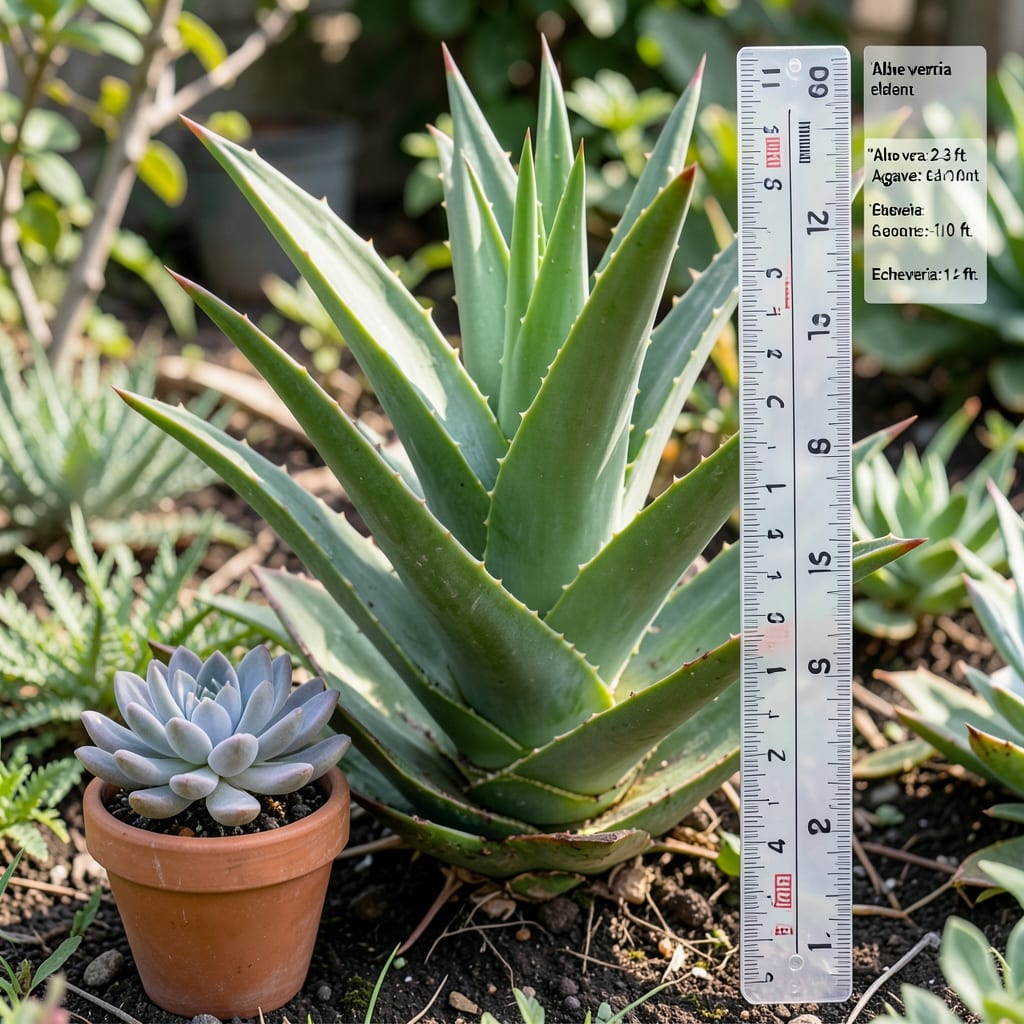
Ever wondered how tall a succulent can grow? The answer might surprise you: some varieties stretch taller than a basketball hoop, while others stay smaller than a soda can. Knowing your succulent’s potential height isn’t just about aesthetics—it’s the key to choosing the right pot, pruning strategy, and even deciding whether it belongs indoors or outdoors.
Succulents like the dwarf Echeveria might max out at just a few inches, while giant Agave species can reach heights of 15 feet or more. The difference often comes down to species, sunlight exposure, and soil conditions. Whether you’re dealing with a tiny Haworthia or a sprawling Aloe, understanding these growth patterns helps you create the perfect environment for your plants to thrive.
But here’s the thing: even the tallest succulents can be managed with the right techniques. Pruning isn’t just for shaping—it’s a way to control height, encourage bushier growth, and even propagate new plants. And if you’re working with limited space, container choices and light manipulation can keep your succulents compact without sacrificing their health.
Ready to discover how to harness these secrets for your own 🌵 succulent collection? Let’s break down the height ranges, pruning tips, and growth hacks that will transform the way you care for your plants—no matter how big (or small) they’re destined to grow.


Succulent height guide: small to towering varieties explained
Succulents come in a stunning range of sizes, from tiny Haworthia that fit in your palm to Agave that tower over your head. The mature height of a succulent depends entirely on its species, with some staying under 1 foot while others reach 15 feet or more. Even within the same genus, like Aloe, you’ll find dwarf varieties alongside giants.
Understanding these height variations helps you plan your garden layout, choose the right containers, and even decide whether a plant is better suited for indoor display or outdoor landscaping. For example, a 3-foot Jade Plant needs a sturdy pot, while a 6-inch Echeveria thrives in a shallow dish. Let’s explore the height ranges and what influences them.
🌵
| Variety | Mature Height Range | Growth Habit | Key Notes |
|---|---|---|---|
| Dwarf Succulents | 0.1–1 ft (3–30 cm) | Rosette or compact | Ideal for terrariums; examples: Echeveria, Haworthia, Lithops |
| Semi-Dwarf | 1–3 ft (30–90 cm) | Upright or trailing | Perfect for shelves; examples: Jade Plant, Aloe vera (smaller varieties) |
| Standard | 3–6 ft (90–180 cm) | Tree-like or bushy | Outdoor focal points; examples: Ponytail Palm, Snake Plant |
| Tall Giants | 6–15+ ft (180–450+ cm) | Columnar or sprawling | Outdoor only; examples: Agave americana, Dracaena |
The environmental factors that influence succulent height include sunlight exposure, soil quality, and even temperature. For instance, a Snake Plant grown in bright, indirect light may stay shorter than one basking in full sun. Meanwhile, well-draining soil with added perlite or sand prevents root rot, allowing plants to reach their full potential height.
Climate also plays a role. In arid regions, succulents often grow taller and more robust due to natural drought conditions. Conversely, indoor succulents may stay smaller unless you supplement their light with grow lamps. Even the pot size matters—a cramped container stunts growth, while a large one encourages vertical expansion.
Some succulents, like trailing varieties such as String of Pearls, focus more on horizontal growth than height. Others, like tree-like Aloe or Agave, grow upward dramatically. If you’re growing a tall succulent indoors, consider a tall, narrow pot to guide its growth vertically rather than letting it sprawl.
For outdoor gardens, tall succulents like Agave or Yucca make stunning focal points when planted at the back of beds. In contrast, dwarf varieties like Sedum or Sempervivum add texture to rock gardens or containers. Always check the USDA hardiness zone for your region to ensure your chosen succulent can thrive in your climate.
🌿
If you’re curious about a specific succulent’s height, start by researching its species. Many nurseries list mature sizes on plant tags or websites. For example, a Blue Echeveria might stay under 6 inches, while a Century Plant (Agave americana) can soar to 15 feet over 10–20 years. Knowing these details upfront saves you from outgrowing your space—or your patience!
Finally, remember that even the tallest succulents can be managed with pruning and propagation. Cutting back leggy growth not only controls height but also creates new plants to share with fellow gardeners. Whether you’re dealing with a pint-sized Haworthia or a towering Agave, understanding these growth patterns ensures your succulents stay happy—and at the perfect height for your space.
Pruning secrets to control succulent height and shape
Pruning isn’t just for shaping—it’s a game-changer for controlling succulent height and encouraging bushier growth. Whether you’re dealing with a 6-foot Aloe vera or a leggy Jade Plant, strategic pruning keeps your plants healthy and at your desired size. The key is timing: prune during active growth (spring/summer) to avoid stressing the plant, and always use sterilized tools to prevent disease.
For tall-growing succulents like Agave or Dracaena, focus on cutting back the top third of the stem. This triggers branching, creating a fuller, more compact plant. For example, a 10-foot Agave can be pruned to stay under 6 feet with regular maintenance. Just be sure to let cuttings dry for 2–3 days before propagating to avoid rot.
🌵
- 1 Choose the right time: Prune in spring or early summer when new growth is active. Avoid winter pruning, as the plant is dormant.
- 2 Use clean tools: Sterilize scissors or pruners with rubbing alcohol to prevent bacterial infections. Sharp tools make cleaner cuts that heal faster.
- 3 Cut at the right spot: For height control, trim just above a leaf node (where leaves grow). For leggy stems, cut back to encourage branching.
- 4 Let cuttings dry: Place cuttings in a shady, dry spot for 2–3 days to form a callous. This prevents rot when you plant them.
- 5 Propagate or repurpose: Plant dried cuttings in well-draining soil or use them as grafting stock for other succulents. Deadhead spent flowers to redirect energy to foliage growth.
One common mistake is pruning too aggressively, which can shock the plant. If you’re aiming to reduce height significantly, do it gradually over multiple sessions. For example, a 5-foot Snake Plant might need 3–4 pruning sessions spaced a month apart to stay under 3 feet. Always monitor the plant’s response—healthy new growth means you’re on the right track!
For trailing succulents like String of Pearls, pruning focuses on trimming overgrown stems to encourage denser growth. Pinch back the tips to promote bushiness, and remove any yellow or damaged leaves immediately. This keeps the plant compact and prevents it from becoming a tangled mess. Even dwarf varieties like Haworthia benefit from occasional pruning to remove dead leaves and encourage new rosettes.
🪴
Pruned sections don’t have to go to waste! Use them to propagate new plants or create stunning succulent arrangements. For instance, a 6-inch cutting from a Jade Plant can root and grow into a full-sized plant in just a few months. This not only controls height but also expands your collection without spending a dime. Just remember: patience is key—some succulents take longer to root than others.
If you’re growing succulents indoors, pruning helps manage their height in confined spaces. A tall, narrow pot paired with regular pruning can keep even the most vertical species like Ponytail Palm from becoming unruly. And for outdoor gardens, pruning tall succulents like Agave ensures they don’t outgrow their designated space or shade out neighboring plants.