
Size
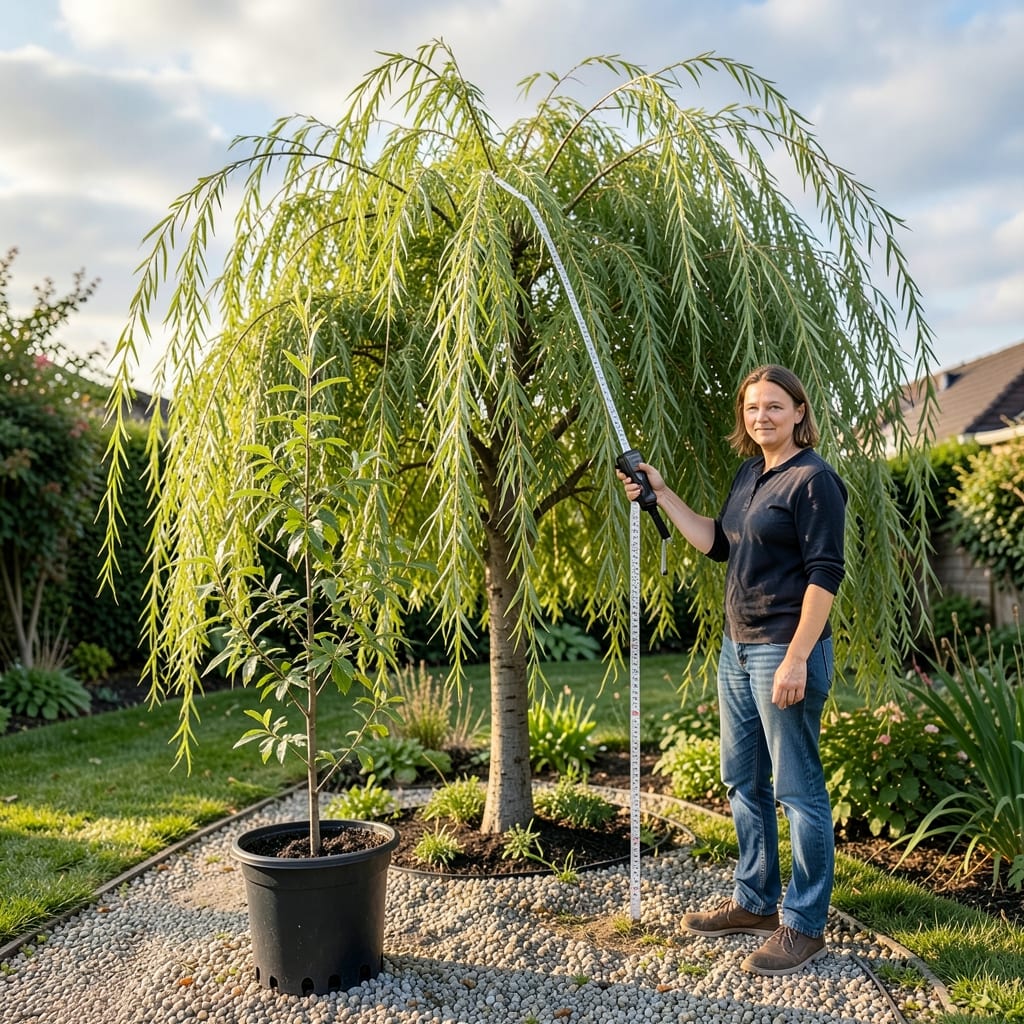
Ever wondered how tall a willow tree can grow in your backyard? These towering beauties can reach heights greater than a 5-story building, with some species soaring to 50 feet or more under ideal conditions. But not all willows grow this big—some varieties stay shorter, while others shoot up at an astonishing 3-5 feet per year. If you're dreaming of a dramatic, fast-growing tree for privacy or shade, understanding the height potential of different willow species is key. Whether you're planting a weeping willow for its graceful branches or a white willow for its sturdy trunk, knowing how tall they can grow helps you plan your landscape with confidence. In this guide, I’ll break down the tallest willow species, their growth rates, and the factors that influence their height—like soil, climate, and care. You’ll also discover how to manage their size if they outgrow your space. Ready to find out which willow will make your yard the talk of the neighborhood? Let’s dive into the sky-high world of willows and see which variety fits your vision—whether you want a gentle giant or a towering statement piece.

Willow tree height records: tallest species compared by growth potential
Willow trees are famous for their dramatic heights, but did you know some species can reach 50 feet or more under perfect conditions? The white willow (Salix alba) holds the record as one of the tallest willow varieties, often soaring to 60-80 feet in its native European habitats. Meanwhile, the weeping willow (Salix babylonica), beloved for its graceful, drooping branches, typically matures between 30-50 feet—making it a stunning focal point for any landscape.
What makes these trees grow so tall? It’s a mix of genetics, soil moisture, and sunlight exposure. Willow trees thrive in wet, fertile soil with full sun exposure, which fuels their rapid vertical growth. In ideal conditions, some varieties can add 3-5 feet per year, turning a sapling into a towering giant in just a few seasons.
But not all willows grow this tall. For example, the pussy willow (Salix discolor) stays much shorter, usually reaching 10-20 feet, while the crack willow (Salix fragilis) can grow up to 40 feet but is more prone to breaking under heavy snow or ice. Understanding these differences helps you choose the right variety for your space and climate.
Here’s a quick comparison of the tallest willow species and their growth potential:
| Species | Max Height | Growth Rate | Ideal Climate |
|---|---|---|---|
| White Willow (Salix alba) | 60-80 ft | 3-5 ft/year | Temperate, moist |
| Weeping Willow (Salix babylonica) | 30-50 ft | 2-4 ft/year | Warm, humid |
| Crack Willow (Salix fragilis) | 40-50 ft | 2-3 ft/year | Cool, wet |
| Pussy Willow (Salix discolor) | 10-20 ft | 1-2 ft/year | Cold, moist |
| Black Willow (Salix nigra) | 40-60 ft | 2-4 ft/year | Warm, swampy |
If you’re planting a willow in a USDA Zone 6 or higher, you’ll likely see faster growth due to longer growing seasons. However, in drier climates, like the Southwest U.S., willows may struggle to reach their full height without supplemental watering. Always check your local climate and soil conditions before planting to ensure your willow thrives.
Another factor to consider is soil drainage. Willow trees love moisture but can’t tolerate soggy, waterlogged soil for long periods. If your yard has poor drainage, consider planting in a raised bed or mound to prevent root rot while still providing the wet conditions they crave. This small adjustment can make a big difference in how tall your willow grows over time.
For those living near urban areas or power lines, tall willows might seem daunting. But with the right care—like regular pruning and root barriers—you can manage their height while still enjoying their beauty. I’ll cover these techniques in more detail later in the guide, so stay tuned if you’re worried about overgrowth.
Now that you know which willow species can reach sky-high heights, let’s explore which varieties grow the fastest. Some willows don’t just get tall—they explode upward in record time, making them perfect for quick privacy screens or dramatic landscape features.
Fastest-growing willow varieties: how quickly they reach towering heights
If you're dreaming of a privacy screen or dramatic shade tree in record time, willow trees are your best bet. Some varieties grow 3-5 feet per year, turning a small sapling into a towering giant in just a few seasons. The Chinese willow (Salix matsudana) is a standout performer, often adding 4-6 feet annually under ideal conditions, while the crack willow (Salix fragilis) can shoot up 3-4 feet per year with the right care.
What makes these willows grow so fast? It’s all about their genetics, water access, and sunlight exposure. Willow trees are phreatophytes, meaning they naturally seek out groundwater. In wet, fertile soil with full sun exposure, they channel that energy into rapid vertical growth. For example, a weeping willow (Salix babylonica) planted near a pond or stream can reach 15 feet in just 3 years, compared to 10 feet in 5 years in drier conditions.
Here’s how the fastest-growing willow varieties rank by annual height gain:
To maximize growth, plant your willow in early spring when roots can establish quickly. Water deeply once a week during the first year, keeping the soil consistently moist but not waterlogged. In USDA Zones 6-9, willows grow fastest with 6+ hours of sunlight daily, while cooler climates may see slower growth unless you supplement with drip irrigation during dry spells.
For those in urban areas or small yards, fast-growing willows might seem intimidating. But with strategic pruning and root barriers, you can redirect their energy into wider, bushier growth instead of sky-high branches. I’ll share my top tips for managing willow overgrowth in the next section—so you can enjoy their rapid growth without losing control of your landscape.
If you’re ready to plant a willow, choose a variety that matches your climate and space. For quick privacy, the Chinese willow is unbeatable, while the weeping willow offers both height and dramatic beauty. Just remember: these trees grow fast, so plan ahead for their mature size!