
Size
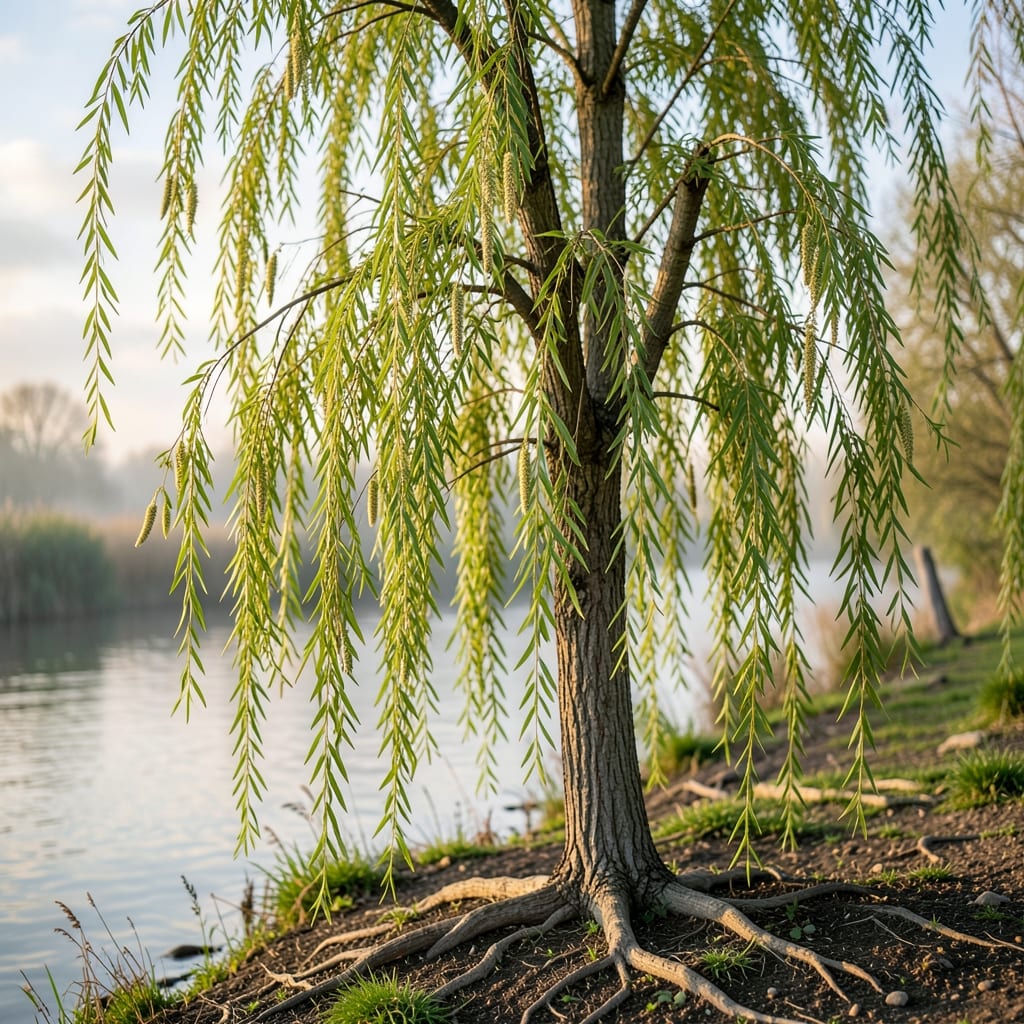
If you’ve ever dreamed of planting a tree that grows faster than your patience wears thin, the answer is a willow tree—how tall can willow trees grow? Some varieties can hit 30 feet in just five years. But before you grab a shovel, you need to know: how tall can they really get, and which types are best for your space? The answer varies wildly, from towering giants that dwarf your house to compact varieties perfect for small yards.
The weeping willow (🌳 Salix babylonica) is the poster child for dramatic height, often reaching 50 feet or more with its iconic drooping branches. Meanwhile, the crack willow (Salix fragilis) might surprise you with its fast growth rate, but its invasive roots can turn it into a gardener’s worst nightmare. Whether you’re after shade, privacy, or just a stunning focal point, choosing the right species is the key to avoiding regrets.
Here’s the catch: willow trees thrive in moist soil and full sun, but their rapid growth means they’ll need regular pruning—or even root barriers—to keep them in check. Some varieties, like the white willow (Salix alba), can grow up to 100 feet in ideal conditions, while others stay manageable at 10–20 feet. I’ll break down the fastest-growing types, how to control their size, and which ones are safest for small spaces.
Ready to plant? Let’s dive into the fastest-growing willows, how to manage their height, and why some gardeners swear by dwarf varieties. Spoiler: your yard might never look the same after this.

Willow tree height by variety: fastest-growing species that reach 30+ feet
Willow trees are legendary for their rapid growth, with some varieties shooting up 3 feet per year under ideal conditions. The weeping willow (Salix babylonica) is the most famous, often reaching 30-50 feet in just a decade. But did you know the giant willow (Salix alba) can tower over 150 feet in perfect environments? Their height isn’t just impressive—it’s a game-changer for privacy screens, erosion control, and dramatic landscape features.
Not all willows grow equally, though. Some species like the pussy willow (Salix discolor) stay under 15 feet, making them perfect for small yards. Meanwhile, the crack willow (Salix fragilis) can grow 50+ feet but with a brittle trunk that snaps easily. Choosing the right variety depends on your space, climate, and whether you want a fast-growing shade tree or a low-maintenance ornamental.
Here’s the kicker: willow trees thrive near water, which supercharges their growth. A weeping willow planted in a moist, sunny spot can hit 20 feet in just 5 years. But plant it too far from water, and growth slows dramatically. This makes them ideal for ponds, streams, or even urban areas with irrigation systems.
🌳
| Variety | Mature Height | Growth Rate | Best For |
|---|---|---|---|
| Weeping Willow (Salix babylonica) | 30–50 ft | 3 ft/year (young) | Privacy, ponds, shade |
| Giant Willow (Salix alba) | 50–150 ft | 2–4 ft/year | Large landscapes, windbreaks |
| Crack Willow (Salix fragilis) | 40–60 ft | 3–5 ft/year | Fast erosion control |
| Pussy Willow (Salix discolor) | 10–15 ft | 1–2 ft/year | Small yards, ornamental |
| Dwarf Willow (Salix purpurea 'Nana') | 3–6 ft | 6–12 in/year | Containers, bonsai |
The weeping willow is the crowd favorite for its graceful, drooping branches that create a stunning canopy. But if you’re after height records, the giant willow wins—some specimens in Europe exceed 150 feet! These trees are also pioneer species, meaning they colonize disturbed areas quickly, making them great for restoration projects or stabilizing riverbanks.
One surprising fact: willow trees don’t need deep soil to grow tall. They thrive in moist, shallow soils and even tolerate seasonal flooding. This adaptability is why they’re found in wetlands, along streams, and even in urban planting strips. However, their aggressive root systems can damage sidewalks or septic tanks, so placement is key.
For gardeners in USDA Zones 4–9, most willow varieties grow vigorously. But if you’re in a dry climate, consider supplemental watering to maintain their rapid growth. Without enough moisture, their height potential drops by 30–50%, turning a 50-foot tree into a 20-foot shrub.
💧
Pro tip: If you’re planting a willow for privacy, choose a fast-growing variety like the weeping willow and give it 10–15 feet of space from structures. For ornamental value, dwarf willows or pussy willows add texture without the space demands. And if you’re near water, prepare for explosive growth—these trees will reward you with height (and shade) faster than almost any other species.
✂️
Willow tree height by variety: fastest-growing species that reach 30+ feet
Willow trees are famous for their explosive growth, but not all varieties reach the same heights. The weeping willow (Salix babylonica) is the most iconic, often soaring to 50–75 feet with its graceful, drooping branches. Meanwhile, the white willow (Salix alba) can hit 100 feet in ideal conditions, making it one of the tallest willow species on the planet. These giants aren’t just for parks—they’re perfect for creating dramatic focal points in large yards or near water features.
But if you’re dreaming of a 30-foot-tall tree in five years, you’ll want to focus on the fastest growers. The crack willow (Salix fragilis) is a contender, shooting up 3–6 feet per year but with a warning: its brittle branches snap easily in storms. For something more stable, the pussy willow (Salix discolor) grows 10–20 feet tall but offers stunning early spring blooms. The key? Match the species to your space and goals.
| Variety | Mature Height | Growth Rate | Best For |
|---|---|---|---|
| Weeping Willow (Salix babylonica) | 50–75 ft | 3–6 ft/year | Privacy, shade, water features |
| White Willow (Salix alba) | 60–100 ft | 2–5 ft/year | Large landscapes, erosion control |
| Crack Willow (Salix fragilis) | 30–50 ft | 3–6 ft/year | Fast growth, but avoid in windy areas |
| Pussy Willow (Salix discolor) | 10–20 ft | 1–3 ft/year | Small yards, early blooms |
| Giant Willow (Salix lasiandra) | 100+ ft | Slow to moderate | Mature gardens, statement trees |
The giant willow (Salix lasiandra) is a true colossus, often exceeding 100 feet in its native habitats. While it grows slower than its cousins, its sheer size makes it a landscape centerpiece for those with ample space. For urban gardeners, the pussy willow is a game-changer—its fuzzy catkins in early spring add beauty without the bulk. Pro tip: if you’re planting near a pond or stream, the weeping willow will thrive and create a stunning reflection.
But here’s the catch: willow trees love moisture. Plant them near a water source, and you’ll see faster growth—but neglect their water needs, and they’ll struggle. The white willow, for example, can handle wet soil better than most, making it ideal for bog gardens or rain gardens. If your yard is dry, stick to the pussy willow or crack willow, which are more adaptable.
For gardeners with limited space, avoid the weeping willow unless you’re prepared for its aggressive roots. Instead, opt for dwarf varieties like Salix caprea ‘Pendula’, which tops out at 15–20 feet but still delivers that classic willow shape. Whether you’re after height, shade, or early spring color, there’s a willow tree perfect for your goals—just pick the right one!
Ready to plant? Measure your space first—some of these trees will outgrow your yard faster than you can say “prune”. 🌳