
Size
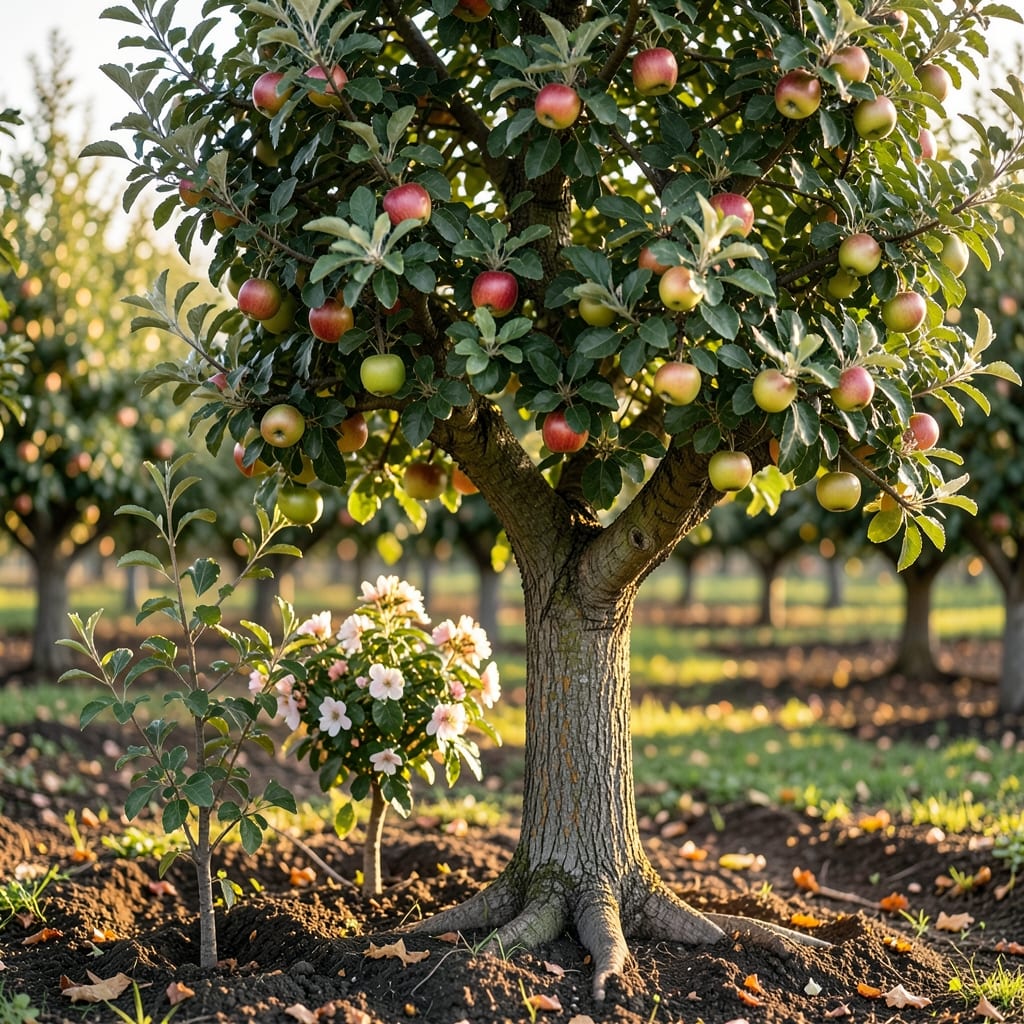
If you’ve ever dreamed of picking fresh 🍎 straight from your backyard but wondered how tall can apple trees grow, you’re not alone. The height of an apple tree isn’t just about aesthetics—it directly impacts how easy (or difficult) it’ll be to harvest, prune, and maintain over the years.
Here’s the truth: apple trees can range from as short as 8 feet for dwarf varieties to towering 30 feet for standard types. That’s a huge difference, and choosing the right size for your garden isn’t just about saving space—it’s about making sure your tree thrives without becoming a maintenance nightmare.
In this guide, I’ll break down the exact height ranges you can expect from different apple tree varieties, the factors that influence their growth, and how to pick the perfect size for your backyard—whether you’re working with a tiny urban plot or a sprawling rural property.
Ready to find out which apple tree will fit your space and your lifestyle? Let’s dive in.


Apple tree height ranges by variety: from dwarf to giant sizes
When you picture an apple tree, you might imagine a towering giant reaching toward the sky—but the truth is far more flexible. Apple trees come in four distinct size categories, each with its own height range and growth characteristics. The variety you choose directly impacts how much space you’ll need, how easy it’ll be to harvest fruit, and even how often you’ll need to prune.
At the smallest end of the spectrum, dwarf apple trees max out around 8-12 feet, making them perfect for urban gardens or small backyards. On the other end, standard apple trees can soar to 20-30 feet, requiring ample space and professional pruning. The choice isn’t just about height—it’s about matching the tree to your lifestyle and garden layout.
Here’s the breakdown you’ve been waiting for: a side-by-side comparison of apple tree heights by variety, including growth rates and ideal growing conditions. This will help you decide whether a compact columnar tree or a traditional standard variety is right for your space.
| Variety Type | Mature Height (ft) | Growth Rate (ft/year) | Rootstock Example | Best For |
|---|---|---|---|---|
| Dwarf | 8-12 ft | 1-2 ft | M.9 or M.26 | Containers, small yards, urban gardens |
| Semi-Dwarf | 12-18 ft | 2-3 ft | MM.106 or MM.111 | Backyards, family orchards, easy harvesting |
| Standard | 20-30 ft | 3-5 ft | Seedling or M.7 | Large properties, traditional orchards |
| Columnar | 10-15 ft (narrow) | 1-2 ft | Specialized rootstock | Small spaces, vertical gardening |
| Giant (Uncommon) | 30+ ft | 4-6 ft | Seedling | Commercial orchards, historic trees |
The rootstock—the underground part of the tree that supports the grafted variety—plays a huge role in determining height. For example, the M.9 rootstock keeps trees dwarf-sized, while seedling rootstock allows them to grow to their full potential. If you’re unsure which to choose, consider your space and how much maintenance you’re willing to handle.
Another factor that affects height is the climate and growing conditions. Apple trees in warmer climates with plenty of sunlight tend to grow faster and taller, while those in cooler regions may stay slightly shorter. For instance, a Granny Smith apple tree in California might reach 25 feet, while the same variety in a cooler USDA Zone 5 might max out at 20 feet.
If you’re dreaming of a compact apple tree but love the idea of traditional varieties, look for columnar apple trees. These unique varieties grow narrow and tall (up to 15 feet) but take up minimal space, making them ideal for small gardens. Popular choices include 'Wijcik' and 'Red River', which produce abundant fruit without the sprawling canopy of standard trees.
For those with larger properties, standard apple trees like 'Honeycrisp' or 'Fuji' can create a stunning focal point in your landscape. Just be prepared for regular pruning to manage their height and shape, as these trees can quickly outgrow even the most spacious backyards if left unchecked.
One common misconception is that older apple trees automatically grow taller. In reality, their height stabilizes once mature—typically within 5-10 years, depending on the variety. The key to controlling height lies in pruning techniques and rootstock selection, not age. With the right approach, even a 20-foot standard tree can be kept at a manageable 12-15 feet.
Ready to pick the perfect apple tree for your space? The next step is understanding how to match your garden layout, maintenance capacity, and fruit-harvesting goals to the right variety. Let’s explore how to make that decision with confidence.
How to choose the right apple tree height for your space
Selecting the perfect apple tree height for your garden isn’t just about finding something that fits—it’s about balancing fruit accessibility, maintenance ease, and long-term growth potential. Whether you’re working with a tiny urban backyard or a spacious rural plot, the right variety can make all the difference in your harvesting experience.
For example, a dwarf apple tree (8–12 feet) is ideal for containers or small spaces, while a standard variety (20–30 feet) thrives in open orchards. Let’s explore how to match your space, lifestyle, and goals to the perfect tree height.
🌱
📌 Key Factors for Choosing Apple Tree Height
- 📏 Space Available: Measure your garden’s width and height—dwarf trees need 8–12 feet of space, while standard trees require 20–30 feet.
- 👨🌾 Maintenance Capacity: Taller trees demand ladders, pruning expertise, and more time—dwarf varieties are easier to care for.
- 🍎 Fruit-Harvesting Goals: Low-hanging varieties (like ‘Columnar’ apples) are perfect for families, while high trees suit commercial growers.
- 🌿 Rootstock Type: Dwarf trees use M.9 or B.9 rootstock, while semi-dwarf trees use MM.106—each affects growth rate and final height.
- 🌳 Pruning Needs: Regular pruning keeps trees manageable, but over-pruning can stunt growth or encourage disease.
If you’re planting in a container or small yard, opt for columnar varieties like ‘Columnar Red Delicious,’ which grow just 10–12 feet tall but produce abundant fruit. These trees are also great for balcony gardening or patios, as long as they get 6–8 hours of sunlight daily.
For larger properties, semi-dwarf trees (12–18 feet) strike a balance—tall enough for good fruit production but still manageable with a ladder. Popular choices include ‘Gala’ or ‘Fuji’ on MM.106 rootstock, which mature faster than standard trees.
Remember, even standard trees (20–30 feet) can be pruned to stay within bounds, but they’ll require regular maintenance and possibly a tree surgeon for heavy branches. If you’re unsure, start with a dwarf or semi-dwarf—they’re forgiving and adaptable.
🌳