
Trees
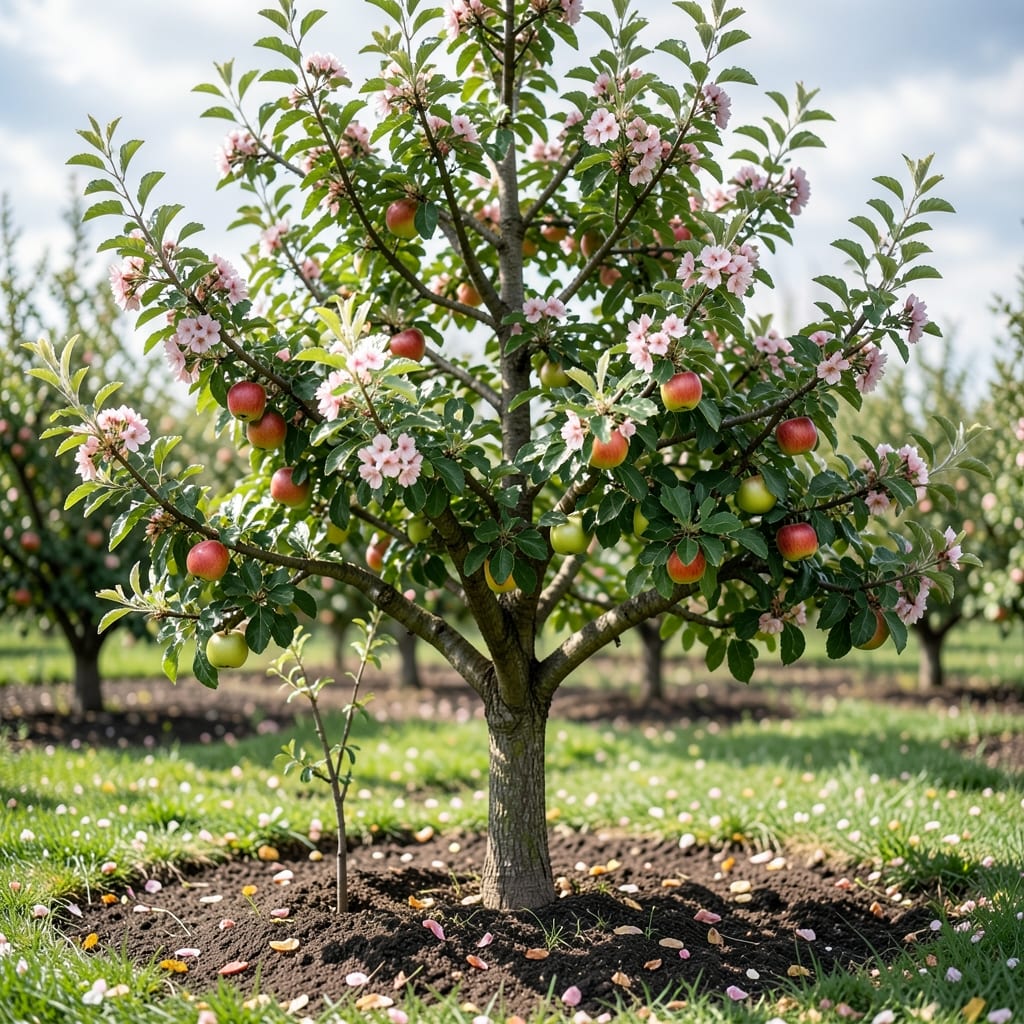
If you’ve ever dreamed of plucking fresh apples straight from your backyard tree—only to wonder how tall apple trees grow—you’re not alone. The answer isn’t just about the variety you choose; it’s also about where you live, how you prune, and even the soil beneath those roots. A standard apple tree can tower over 25 feet, while dwarf varieties stay neatly under 10 feet, making them perfect for small spaces.
But here’s the catch: growth isn’t just about height. It’s about balance—between space, sunlight, and care. Whether you’re planning a backyard orchard or a single tree in your 6a zone, understanding these factors will help you shape your tree’s future. I’ll break down the differences between dwarf, semi-dwarf, and standard varieties, so you can pick the perfect fit for your garden.
Pruning isn’t just for aesthetics—it’s the key to controlling height and boosting fruit production. Learn when and how to trim for the best results, plus how sunlight and soil quality can either speed up or slow down growth. By the end, you’ll know exactly how to nurture your 🍎 tree for years of harvests.
Ready to grow a tree that works for your space? Let’s dive into the details—because the right approach makes all the difference between a towering giant and a manageable, fruitful addition to your yard.


Apple tree height ranges by variety: dwarf to standard sizes explained
Choosing the right apple tree variety isn’t just about flavor—it’s about space. Standard apple trees can reach 20-30 feet, while dwarf varieties stay under 8 feet. The difference? Rootstock. Dwarf trees are grafted onto compact root systems, while standard trees grow on their own roots. For small yards, dwarf varieties like ‘Columnar’ or ‘Spindle’ types are game-changers, offering full-sized fruit with minimal space.
Semi-dwarf varieties strike a balance, typically reaching 12-18 feet at maturity. These are ideal for suburban gardens where you want a tree tall enough for shade but manageable for pruning. Popular choices include ‘Liberty’ or ‘Enterprise’, both known for disease resistance and consistent fruit production. The trade-off? They need slightly more space than dwarfs but less than full-sized trees.
Here’s the key: rootstock determines height, but pruning and soil quality fine-tune it. Even a dwarf tree can grow taller if given rich, well-draining soil and regular water. Conversely, a standard tree can be kept smaller with aggressive pruning. The goal is harmony between your tree’s natural growth and your garden’s layout.
🌱
| Variety Type | Mature Height | Growth Rate (First 3 Years) | Ideal Spacing | Best For |
|---|---|---|---|---|
| Dwarf | 6–12 ft | 1–3 ft/year | 8–10 ft apart | Containers, small yards, urban gardens |
| Semi-Dwarf | 12–18 ft | 2–4 ft/year | 12–15 ft apart | Suburban yards, larger containers |
| Standard | 20–30 ft | 3–5 ft/year | 20–25 ft apart | Orchards, large properties |
*Height varies by rootstock and growing conditions.
If you’re working with limited space, dwarf varieties are your best bet. For example, the ‘Apple of Love’ or ‘Golden Delicious’ on M.9 rootstock will max out at 8 feet, making them perfect for patio planters or small backyards. Just ensure your container is at least 18 inches deep and wide to accommodate root growth. Semi-dwarfs like ‘Gala’ or ‘Fuji’ offer a middle ground, providing shade and fruit without overwhelming your landscape.
For large properties or orchards, standard varieties like ‘Granny Smith’ or ‘Honeycrisp’ thrive when spaced 20 feet apart. These trees develop strong structural roots, allowing them to support their own weight and produce heavier fruit loads. However, their height means they’ll need regular pruning to keep branches from encroaching on power lines or neighboring structures.
One often-overlooked factor is seasonal growth. Apple trees grow most rapidly in spring and early summer, with height increases of 1–3 feet per year depending on the variety. During dormancy (winter), growth halts, but pruning in late winter or early spring can redirect energy toward lateral branches, reducing vertical growth. This is especially useful for semi-dwarfs, where you might want a rounder shape rather than a tall, narrow silhouette.
Pro tip: If you’re unsure about spacing, err on the side of more room. Crowded trees compete for sunlight and nutrients, leading to stunted growth, poor fruit quality, and increased susceptibility to diseases like apple scab. Aim for the minimum spacing listed for your variety, and adjust upward if your garden is particularly sunny or fertile.
🌳
Pruning techniques to control apple tree height and shape
Pruning isn’t just about keeping your apple tree manageable—it’s the secret to shaping its future height and fruit production. Without proper pruning, even dwarf varieties can grow uncontrollably tall, while standard trees may become top-heavy and prone to breakage. The key is timing: prune in late winter or early spring, just before buds swell but before new growth begins. This ensures your cuts encourage healthy, balanced growth without stressing the tree.
There are three main pruning methods to control height: central leader, open-center, and espalier. The central leader approach is best for standard trees, where you maintain a single dominant trunk and prune branches to create a tapered shape. For dwarf or semi-dwarf trees, the open-center method works better, encouraging a rounded canopy with multiple branches spreading outward. Espalier, often used in urban gardens, trains branches along a flat surface (like a fence or wall), keeping the tree compact and decorative.
🌱
When pruning for height control, focus on removing vertical shoots that grow straight up. These water sprouts compete with fruit-bearing branches for nutrients and can make your tree grow too tall too quickly. Instead, encourage horizontal branches by thinning out crowded areas and opening the canopy to sunlight. This not only controls height but also improves fruit quality by reducing shade within the tree.
Seasonal timing matters too. Summer pruning is best for light shaping, while winter pruning is ideal for structural adjustments. If you notice your tree growing too fast in spring, prune again in mid-summer to slow vertical growth. Just avoid heavy pruning in fall, as new growth won’t harden off before winter, making the tree more susceptible to freeze damage.
For container-grown dwarf trees, pruning is even more critical. Since roots are confined, the tree may grow taller and leggier to reach sunlight. Regular pruning—every 4-6 weeks during the growing season—helps maintain a compact shape. Pair this with pinching back new shoots to encourage bushier growth. Remember, the goal is to keep the tree’s canopy width proportional to its height, ensuring stability and easy fruit access.
🪴