
Trees
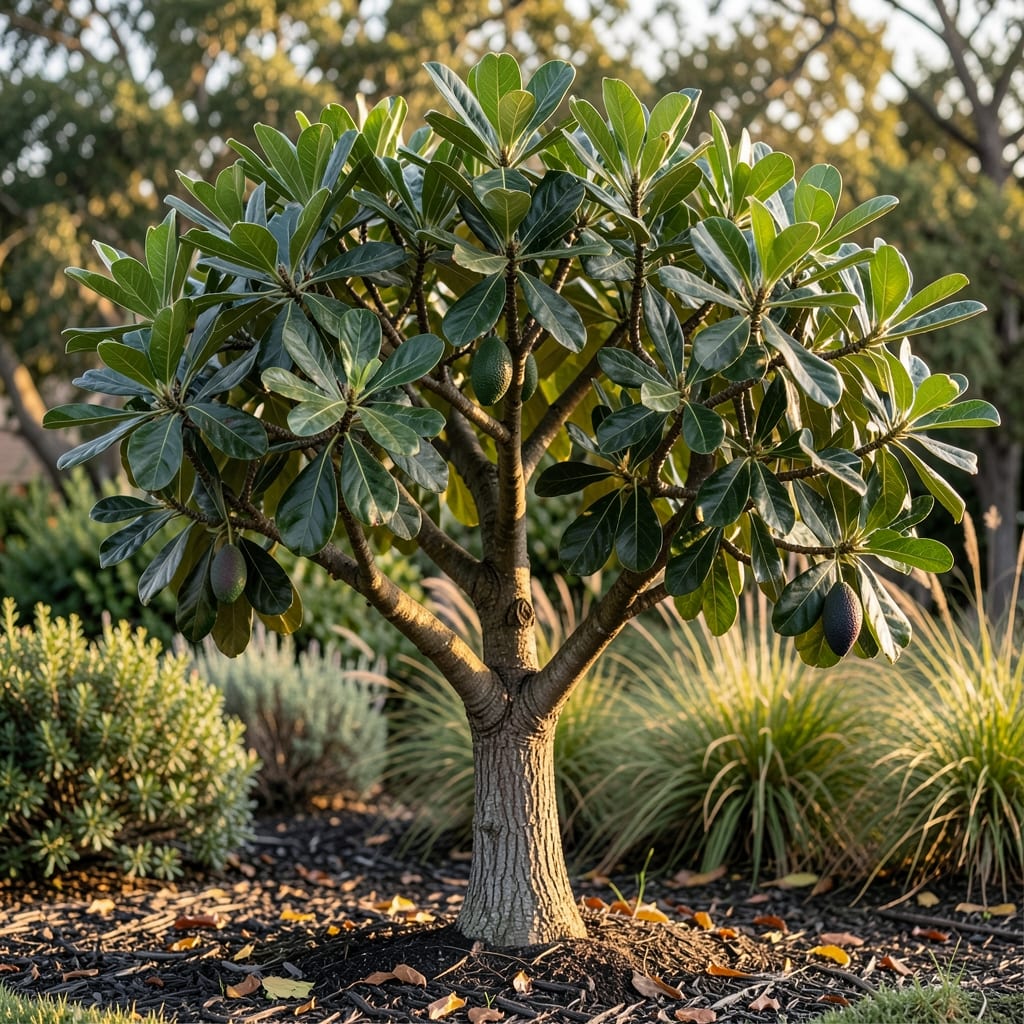
If you’ve ever dreamed of growing your own avocado tree but hesitated because of space concerns, here’s the good news: how tall can an avocado tree grow—it all depends on the variety and how you manage it. Some stay compact enough for a backyard, while others can reach towering heights—even taller than your house!
Whether you’re envisioning a dwarf avocado tree for a patio or a full-sized specimen in your garden, understanding the growth potential is key. The right variety and pruning techniques can make all the difference in keeping your 🥑 avocado tree at your desired height. Let’s break down what to expect and how to control its growth.
From the 16-foot dwarf varieties that thrive in containers to the 40-foot giants that dominate rural landscapes, avocado trees offer options for every space. Even in urban areas, with the right care, you can enjoy fresh avocados without sacrificing your yard’s layout.
Ready to learn how to keep your avocado tree at the perfect height? I’ll walk you through the best varieties, pruning tips, and even how to grow one indoors. Let’s get started!

Avocado tree height by variety: from dwarf to towering giants
Avocado trees are famous for their dramatic height variations—some stay small enough for containers, while others stretch toward the sky like skyscrapers. The mature height of your tree depends entirely on the variety you choose and the growing conditions you provide. For example, a 'Wurtz' avocado tree might top out at just 16 feet, while a 'Fuerte' can reach 60 feet or taller in ideal climates. Let’s break down the most popular types and what to expect in your yard.
In USDA Zones 9-11, where avocados thrive year-round, height differences are most noticeable. A standard 'Hass' tree—America’s favorite—typically grows 30-40 feet tall, while dwarf varieties like 'Mexicola' or 'Bacon' stay under 20 feet. Even within the same variety, urban planting (with pruning) can shrink a tree by 30-50% compared to its rural counterpart. If you’re in Zone 8 or cooler, expect slower growth due to cooler winters, often capping mature heights at 25-30 feet.
Here’s the key factor: rootstock. Most commercial avocado trees are grafted onto dwarfing rootstocks like 'Duke 7' or 'Thomas', which naturally limit height. Without this technique, even a 'Hass' grafted onto its own roots could reach 80 feet—that’s taller than a 10-story building! For home gardeners, this means choosing the right rootstock is just as important as picking the fruit variety.
Now, let’s talk about the fastest-growing varieties. The 'Fuerte' avocado is notorious for its rapid vertical growth, often adding 3-5 feet per year in ideal conditions. Meanwhile, 'Lamb Hass' (a cold-hardy hybrid) grows more slowly but still reaches 35-40 feet. If you’re in a small backyard, focus on dwarf varieties or plan for aggressive pruning from year one.
🥑 Avocado Tree Height by Variety
| Variety | Mature Height (ft) | Growth Rate (ft/year) | Best For |
|---|---|---|---|
| 'Wurtz' | 16–20 ft | 1–2 ft | Containers, small yards |
| 'Hass' (standard) | 30–40 ft | 2–4 ft | Backyards, rural areas |
| 'Fuerte' | 40–60 ft | 3–5 ft | Large properties, fast fruit |
| 'Bacon' | 18–22 ft | 1.5–2.5 ft | Urban gardens, pruned shapes |
| 'Lamb Hass' | 35–40 ft | 2–3 ft | Cold-hardy climates |
Note: Heights assume standard rootstock. Dwarfing rootstocks (e.g., 'Duke 7') can reduce height by 30-50%.
If you’re in a coastal climate, like California or Florida, avocado trees grow faster and taller due to warmer winters and humid air. Inland or high-desert areas (e.g., Arizona) may see shorter trees unless you provide extra irrigation. For instance, a 'Hass' in San Diego might hit 40 feet, while the same tree in Phoenix could max out at 30 feet without supplemental water.
Pro tip: Soil drainage plays a huge role. Avocados hate soggy roots, so well-draining soil with sandy loam encourages deeper root systems, which can actually stabilize the tree and reduce wind-related height growth. Amend heavy clay soil with compost or perlite to keep your tree’s roots healthy—and its height in check.
For urban gardeners, the 'Bacon' variety is a game-changer. It’s naturally compact, produces large fruit, and handles container life beautifully. Pair it with regular pruning (every 6-12 months), and you can keep it under 15 feet even in a small patio. Just remember: pruning for size means sacrificing some fruit yield in the short term, but the trade-off is worth it for space-saving.
One common mistake? Assuming all avocado trees grow at the same rate. In reality, a 5-year-old 'Fuerte' might still be 15 feet tall, while a 'Wurtz' of the same age could be 8 feet. Always check the rootstock when buying nursery trees—it’s the #1 factor in controlling height. Ask your local nursery for 'Duke 7' or 'Thomas' grafted
Avocado tree height by variety: from dwarf to towering giants
If you’ve ever wondered whether that avocado tree dream of yours will end up as a backyard giant or a manageable shrub, the answer lies in the variety you choose. Some avocado trees stay under 20 feet tall, while others can soar past 80 feet in ideal conditions. The key is understanding how each type grows and how your climate and growing space influence its height.
For example, the ‘Wurtz’ variety is a popular dwarf avocado that tops out around 16–20 feet, making it perfect for urban gardens or small backyards. Meanwhile, the ‘Hass’ avocado, a favorite for its creamy texture and rich flavor, typically reaches 30–40 feet when grown outdoors in warm climates like California or Florida.
🌱
Climate plays a huge role in how tall your avocado tree will grow. In USDA Zones 10–11, where frost is rare, trees like the ‘Fuerte’ can easily hit 60 feet or more. But in cooler microclimates, like parts of Arizona or even coastal California, growth slows, and trees may stay shorter unless you provide extra care, like winter protection or container cultivation.
Even in ideal conditions, some avocado varieties naturally stay smaller. The ‘Mexicola’ variety, for instance, rarely exceeds 20 feet and is often used in container gardening for its manageable size. If you’re growing in a small space, this could be your best bet for enjoying homegrown avocados without sacrificing yard space.
🌿
One common misconception is that all avocado trees need to be massive to produce fruit. While larger trees often yield more, dwarf varieties can still produce plenty of avocados if given proper care. For example, a well-pruned ‘Wurtz’ tree in a 15-gallon container can produce 10–20 avocados per year—enough for a small family! The trade-off? You’ll need to hand-pollinate the flowers for better fruit set.
If you’re planning to grow an avocado tree in your backyard, consider your long-term goals. Do you want a shade tree that also produces fruit, or are you primarily interested in harvesting avocados? Your answer will dictate whether you opt for a dwarf variety, a standard-sized tree, or even a grafted tree that combines the best traits of multiple varieties.