
Trees
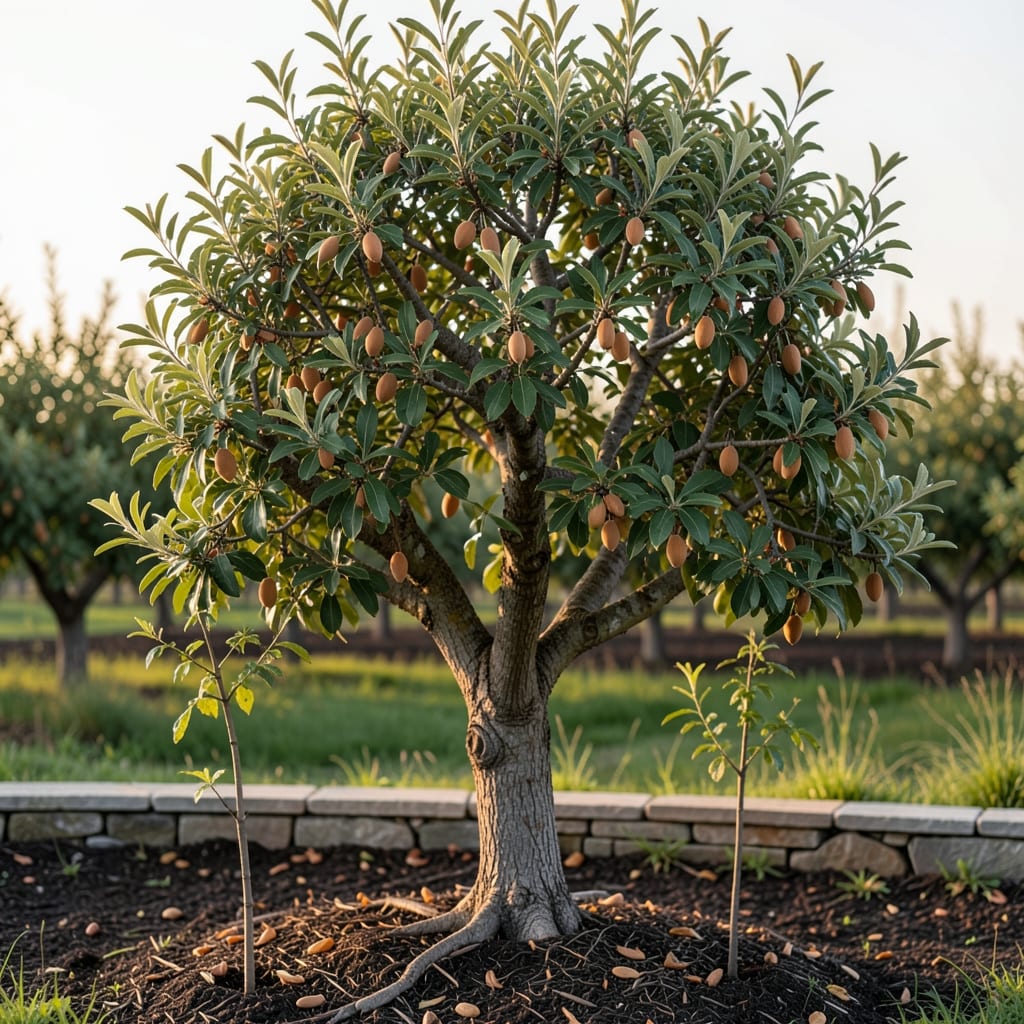
If you're planning to grow an almond tree 🌰 but don't know how tall they can get, you're not alone—this is the first question every gardener asks. Almond trees can range from compact 10-foot dwarf varieties perfect for small yards to towering 40-foot giants that need plenty of space. The variety you choose isn’t just about height; it’s about how much effort you’re willing to put into pruning and maintenance.
For most gardeners in USDA Zone 6a, standard varieties like 'Nonpareil' can reach 25 feet or more, while semi-dwarf options like 'Carmel' stay between 12 and 18 feet. But here’s the secret: pruning isn’t just about keeping them manageable—it’s about shaping their growth early. A well-pruned tree stays healthier, produces more nuts, and fits better in your landscape.
Climate plays a huge role too. In warmer regions, almond trees grow faster and taller, while cooler areas may stunt their height slightly. If you’re in a smaller space or want a manageable tree, dwarf rootstocks are your best bet—but they still need the right care to thrive. Let’s break down the varieties, pruning tips, and climate factors so you can choose the perfect almond tree for your backyard.
Whether you’re dreaming of a backyard orchard or just want a few trees for fresh nuts, understanding these details will help you plan for success. Ready to learn how to control your almond tree’s height and keep it happy? Let’s get started.


Almond tree height by variety: from dwarf to giant sizes
Choosing the right almond tree variety is the first step to controlling its height. Standard varieties like ‘Nonpareil’ and ‘Fritz’ can grow 25 to 35 feet tall, making them ideal for large orchards but impractical for small yards. If space is limited, consider semi-dwarf options like ‘Carmel’ or ‘Butte’, which typically reach 12 to 20 feet at maturity. For container gardening or urban spaces, dwarf varieties grafted onto ‘GxN-30’ or ‘Hanze’ rootstock can stay as short as 6 to 12 feet.
Even dwarf trees need proper care to stay compact. Without pruning, they can grow taller than expected, especially in warm climates like USDA Zone 9 or 10. The key is selecting a variety that matches your space and climate. For example, ‘Price’, a popular pollinator for ‘Nonpareil’, grows 20 to 25 feet tall, while ‘Jordanolo’, a self-pollinating variety, tops out around 15 to 18 feet. Always check the rootstock type—dwarfing rootstocks like ‘Nemaguard’ or ‘Lovell’ can reduce height by 30 to 50%.
| Variety | Mature Height | Rootstock | Best For |
|---|---|---|---|
| Nonpareil | 25–35 ft | Standard | Orchards, large properties |
| Carmel | 12–18 ft | Semi-dwarf | Small yards, containers |
| Jordanolo | 15–18 ft | Semi-dwarf | Self-pollinating, urban gardens |
| Butte | 15–20 ft | Semi-dwarf | Drought-tolerant areas |
| Price | 20–25 ft | Standard | Pollinator for Nonpareil |
| Fritz (Dwarf) | 6–12 ft | Dwarfing (GxN-30) | Containers, patios |
Dwarf varieties are perfect for gardeners with limited space, but they still require attention. For instance, ‘Fritz’ on ‘GxN-30’ rootstock stays under 12 feet, but without regular pruning, it can grow taller. Always verify the rootstock type when purchasing—some nurseries sell ‘dwarf’ trees on standard rootstock, which won’t stay small. If you’re unsure, ask for a tree grafted onto ‘Hanze’ or ‘Nemaguard’ for guaranteed compact growth.
Another factor to consider is the tree’s growth habit. Some varieties like ‘Nonpareil’ grow upright with a central leader, while others like ‘Carmel’ develop a more open vase shape. The latter is easier to prune for height control but may require more frequent thinning to maintain an open canopy. If you’re planting multiple trees, mix varieties with different habits to improve pollination and reduce height variability in your orchard.
Climate also plays a role in height. In cooler zones (USDA 6–7), almond trees may grow 10–20% slower and stay slightly shorter than in warmer zones (USDA 8–10). For example, a ‘Nonpareil’ in California might reach 30 feet, while the same tree in Zone 7 could max out at 25 feet. If you’re in a cooler climate, choose semi-dwarf or dwarf varieties to compensate for slower growth rates.
For container growing, prioritize ‘Fritz’, ‘Jordanolo’, or ‘Carmel’ on dwarfing rootstock. These varieties thrive in 15–25 gallon pots and can be pruned aggressively to keep them under 8 feet. Just remember: container trees need well-draining soil, regular watering, and annual repotting to prevent root-bound stress, which can stunt growth or cause height spikes.
If you’re planting in the ground, spacing is critical. Standard varieties need 20–30 feet between trees, while semi-dwarf and dwarf types can be spaced 10–15 feet apart. Overcrowding leads to competition for nutrients, which can reduce nut production and encourage upward growth. Always follow the variety’s spacing guidelines to ensure healthy, manageable trees.
One common mistake is assuming that ‘dwarf’ means ‘low-maintenance’. Even dwarf almond trees need regular pruning, proper watering, and balanced fertilization to stay compact. Skipping these steps can result in a tree that grows taller than expected, even if it’s grafted onto dwarfing rootstock. Think of pruning as a
How pruning affects almond tree height: techniques for controlling growth
Pruning is the single most effective way to control how tall your almond tree grows—whether you want a compact 10-foot tree or a manageable 20-foot specimen. Most gardeners make the mistake of waiting until the tree is too tall to prune effectively. The key is to start early, in the tree’s first or second year, when branches are still flexible and responsive to shaping.
Almond trees naturally grow with a central leader (one main trunk) or an open-center form (multiple branches). For height control, the open-center method works best—it encourages a wider, bushier shape while keeping the trunk shorter. If you prefer a single-trunk look, you’ll need to prune aggressively to limit vertical growth.
Timing matters too. Winter pruning (dormant season) is ideal for removing dead or crossing branches, while summer pruning helps control overall size by pinching back new growth. Never prune during late summer or early fall, as this can stimulate weak, late-season growth that won’t harden off before winter.
New almond trees are delicate. Cutting back more than 25% of the canopy in a single session can shock the tree, reducing next year’s growth. For young trees, focus on removing only water sprouts (vertical shoots) and suckers (shoots from the base) to encourage a stronger structure.
Tools make all the difference. Use hand pruners for small branches (under ½ inch), loppers for branches up to 2 inches, and a pruning saw for anything thicker. Always disinfect your tools with rubbing alcohol between cuts to prevent disease spread. And remember: prune just above a bud or branch collar to promote healing.
Dwarfing rootstocks (like ‘GXN’ or ‘Nemaguard’) can also limit height naturally, often reducing mature size by 30–50%. If you’re planting in a small yard, these rootstocks paired with aggressive pruning can keep your tree under 12 feet while still producing a good crop. Just be prepared for slightly lower yields compared to standard varieties.
Finally, consistency is key. Prune your almond tree annually to maintain its shape and prevent it from outgrowing its space. With the right techniques, you can enjoy fresh almonds without sacrificing your backyard’s layout. Start small, observe how the tree responds, and adjust your approach each year.