
Size
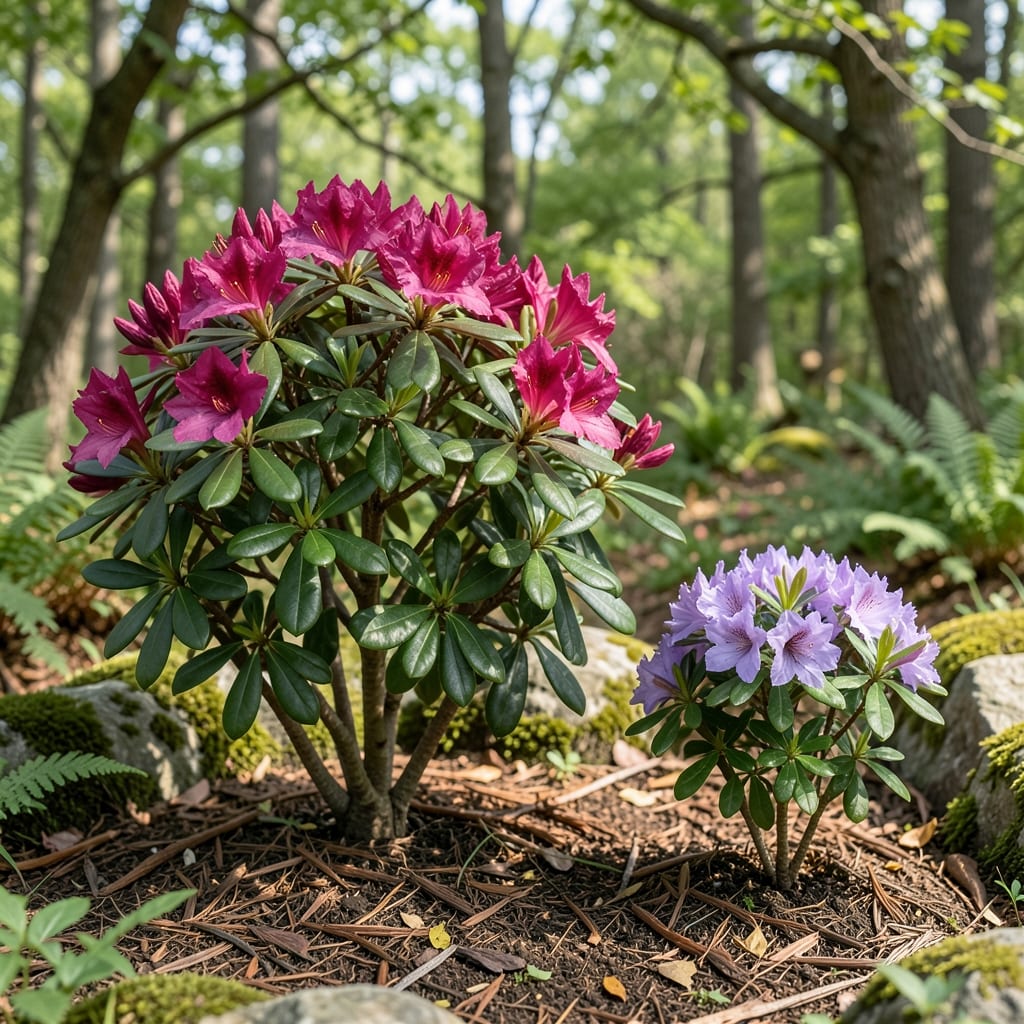
If you're dreaming of a garden bursting with vibrant 🌸 azaleas, you might be wondering just how tall these show-stopping shrubs can grow. The answer isn't one-size-fits-all—some varieties reach towering heights of 12 feet, while others stay neatly compact at just 2 feet tall.
What you'll discover is that azalea height depends on more than just genetics—pruning techniques, sunlight exposure, and even soil acidity play a huge role in shaping their growth. Whether you're working with dwarf varieties for containers or larger specimens for privacy screens, understanding these factors will help you achieve your perfect garden vision.
Let's break down the key differences between azalea types and how to control their height naturally. From evergreen giants to delicate Kurume azaleas, each variety has its own growth habits that determine whether your shrubs will become a backyard focal point or a cozy corner accent.
Ready to transform your outdoor space? I'll share the secrets to maintaining your azaleas at the ideal height—without sacrificing those stunning spring blooms you love so much.


Azalea height guide: variety-specific growth ranges explained
Azaleas are one of the most versatile shrubs for gardeners, offering heights ranging from 2 feet to towering 12-foot giants. The key to controlling their size lies in understanding the variety-specific growth habits and how they respond to your care routine. Whether you're planning a container garden or a privacy hedge, knowing these height ranges will help you space plants perfectly from day one.
Most azaleas fall into three main height categories: dwarf (2-4 ft), semi-dwarf (4-6 ft), and standard (6-12 ft). The evergreen varieties like the Rhododendron species tend to reach the taller end of the spectrum, while Kurume azaleas and Girard azaleas stay much more compact. Let's explore how these differences impact your garden planning.
The summary-table below breaks down the most popular azalea varieties by their mature height, growth rate, and ideal spacing. This will help you visualize how each type will fit into your landscape design while accounting for their natural growth patterns.
| Variety | Mature Height | Growth Rate | Ideal Spacing | Growth Habit |
|---|---|---|---|---|
| Kurume Azalea | 2-4 ft | Slow to moderate | 3-4 ft apart | Compact, bushy |
| Girard Azalea | 3-5 ft | Moderate | 4-5 ft apart | Upright, spreading |
| Evergreen Azalea (Rhododendron) | 6-12 ft | Moderate to fast | 8-10 ft apart | Tall, pyramidal |
| Satsuki Azalea | 4-6 ft | Moderate | 5-6 ft apart | Bushy, rounded |
| Dwarf Evergreen Azalea | 2-3 ft | Slow | 3 ft apart | Compact, dense |
For container growing, always choose dwarf varieties like Kurume or Satsuki azaleas, as they thrive in 15-20 gallon pots with proper drainage. These compact types are perfect for patios, balconies, or even window boxes, where space is limited but you still want that vibrant spring color. Just
If you're aiming for a privacy screen or windbreak, the evergreen azaleas are your best bet. Their 6-12 foot mature height creates an impenetrable barrier while adding year-round greenery to your landscape. When planting these taller varieties, give them plenty of space—8-10 feet apart—to allow for their full growth potential without overcrowding.
One common mistake gardeners make is assuming all azaleas grow at the same rate. In reality, deciduous azaleas like the Exbury hybrids grow faster than their evergreen counterparts. This means they may reach their mature height in 3-5 years, while evergreens can take 5-7 years to fully establish. Planning for these growth differences will save you from overcrowding issues down the road.
Proper soil acidity (pH 4.5-5.5) and sunlight exposure (morning sun, afternoon shade) are critical for maintaining healthy growth rates. Azaleas in too much direct sun may grow taller but produce fewer blooms, while those in shady conditions might become leggy and sparse. Balancing these factors ensures your azaleas grow to their ideal height while staying lush and flowering abundantly.
For gardeners with limited space, pruning in early spring can help maintain compact growth. Simply trim back 1/3 of the oldest stems to encourage new, bushier growth. This technique works especially well for semi-dwarf varieties, keeping them at a manageable 4-6 feet while still allowing room for those stunning spring blooms.
Now that you understand the height ranges, you're ready to select the perfect azaleas for your space. Whether you're creating a colorful border or a privacy hedge, choosing the right variety ensures your garden will thrive for years
Pruning secrets to control azalea height naturally (without sacrificing blooms)
Pruning is the secret weapon for controlling azalea height while keeping them bushy and blooming. Unlike many shrubs, azaleas bloom on old wood, meaning last year's growth produces this year's flowers. This means you must time your cuts carefully to avoid removing next year's blooms entirely. The key is to prune after flowering (late spring to early summer) to shape your azaleas without sacrificing their stunning displays.
For dwarf varieties like Kurume azaleas (2-4 ft), focus on light shaping cuts to maintain their compact form. Simply trim back any overly long stems by about 1/3 their length using clean, sharp pruners. This encourages new growth at the base, creating a fuller, more rounded shape. Avoid heavy pruning—just a few strategic cuts keep these varieties at their ideal height while promoting abundant blooms.
Here’s how to prune azaleas for different growth goals:
- 1 Prune after blooming (late spring to early summer) to avoid cutting off next year’s flower buds.
- 2 Remove dead or crossing branches first to improve airflow and plant health.
- 3 Shape the shrub by trimming back 1/3 of the oldest stems to encourage new growth from the base.
- 4 Avoid heavy pruning—never cut back more than 1/3 of the plant in one season to prevent stress.
- 5 Use clean tools to prevent disease—sterilize pruners with rubbing alcohol between cuts.
For taller azaleas (6-12 ft), like evergreen varieties, you can be slightly more aggressive with pruning to control height. Focus on removing the tallest stems at the base to redirect energy toward lateral branching. This technique creates a fuller, wider shrub rather than a leggy, top-heavy plant. Just remember: never prune more than 1/3 of the plant in a single season, or you risk stunting growth and reducing next year’s blooms.
If your azaleas have become overgrown or leggy, don’t panic—you can still revive them with a gradual pruning plan. Over 2-3 years, trim back 1/3 of the oldest stems each year to encourage new growth from the base. This method allows your azaleas to recover their shape without shocking the plant. Pair this with regular fertilizing (using an acid-loving plant formula) to support vigorous regrowth.
One pro tip: Prune in stages if your azaleas are particularly large. Instead of cutting everything back at once, spread it out over 2-3 sessions to reduce stress. This approach also gives you time to evaluate the plant’s response and adjust as needed. With the right pruning techniques, you can keep your azaleas at your desired height while ensuring they remain healthy and blooming for years to come.
🌸