
Size
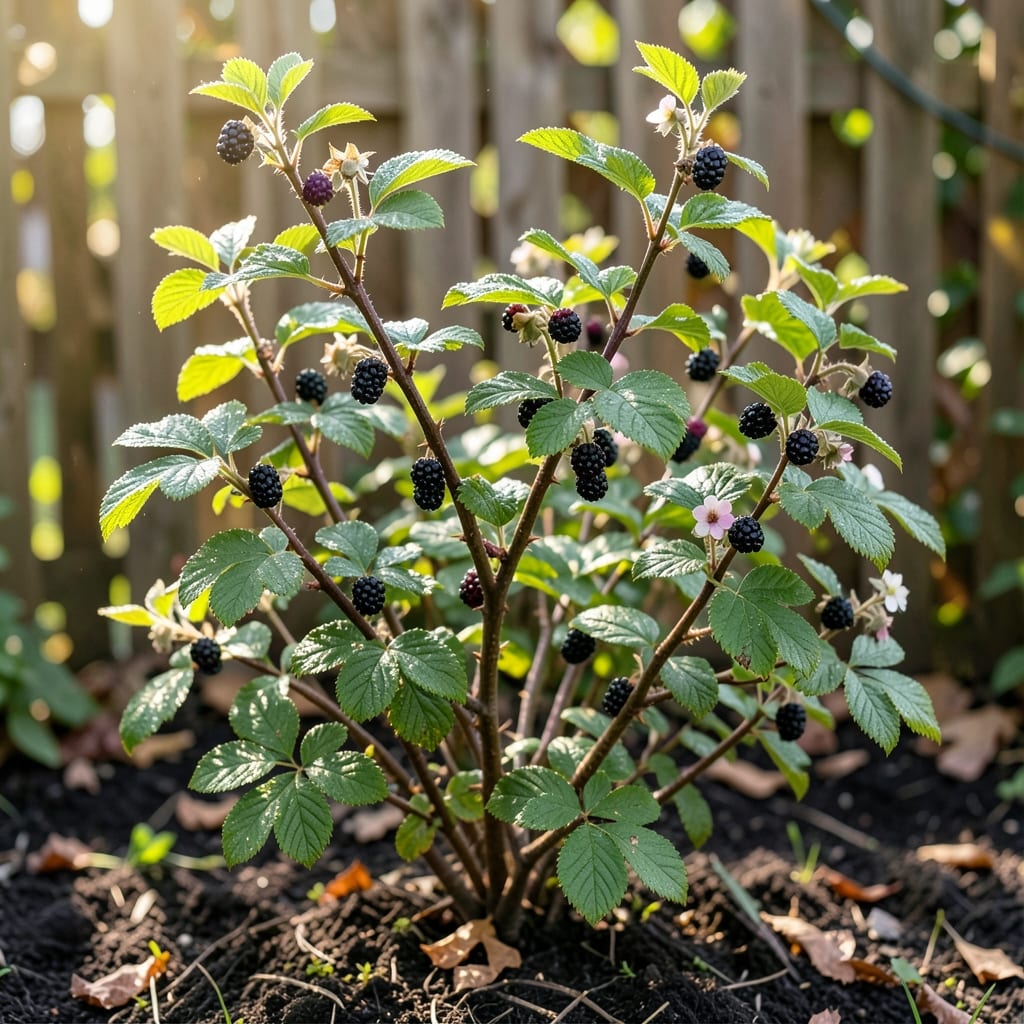
If you're dreaming of a blackberry bush that stretches toward the sky like a jungle vine, you might be surprised to learn that how tall can blackberry bushes grow depends entirely on the variety you choose—and how you prune them. Some types stay compact enough for small gardens, while others can reach heights that put basketball hoops to shame.
Blackberries are famously adaptable, with heights ranging from 3 feet for dwarf varieties to a towering 15 feet for standard types. The key difference lies in their growth habits: trailing varieties sprawl outward, while erect types grow upright like small trees. Without proper care, even a manageable bush can quickly become an unruly giant.
For gardeners in USDA Zone 6a, where spring planting (March–April) sets the stage for summer harvests (June–September), understanding these growth patterns is crucial. The right pruning techniques can keep your blackberry patch productive and contained, while neglect might leave you battling a vine that’s more fence-climber than fruit producer.
Whether you’re working with limited space or a sprawling backyard, I’ll break down the height ranges by variety and share practical pruning tips to keep your 🫐 blackberry bushes at your desired size—without sacrificing those sweet, juicy berries. Let’s get started!


Blackberry bush height by variety: dwarf vs. standard vs. giant types
When planning your blackberry patch, the first question to ask is how tall can blackberry bushes grow—because the answer determines everything from fence requirements to pruning strategies. Blackberries fall into three broad height categories: dwarf (3-5 ft), semi-dwarf (5-8 ft), and standard (10-15 ft). The variety you choose isn’t just about aesthetics; it directly impacts your harvest’s accessibility, yield, and even disease risk.
Dwarf varieties like ‘Arapaho’ or ‘Chester’ are perfect for small gardens or container growing, reaching just 3-5 feet at maturity. These trailing types spread horizontally rather than vertically, making them ideal for trellises or raised beds. Meanwhile, standard varieties such as ‘Natchez’ or ‘Triple Crown’ can shoot up to 15 feet, requiring sturdy trellises or fences to support their weight.
Here’s the key distinction: trailing varieties (like ‘Chester’) sprawl outward, while erect types (like ‘Natchez’) grow upright like small trees. Erect varieties often need less horizontal space but can dominate vertically, while trailing types may need more ground space but stay lower to the ground. Your garden’s layout will dictate which growth habit suits you best.
| Variety Type | Height Range | Spread | Growth Habit | Ideal Spacing |
|---|---|---|---|---|
| Dwarf (e.g., ‘Arapaho’) | 3–5 ft | 4–6 ft | Trailing | 3–4 ft apart |
| Semi-Dwarf (e.g., ‘Chester’) | 5–8 ft | 6–8 ft | Trailing/Erect | 4–5 ft apart |
| Standard (e.g., ‘Natchez’) | 10–15 ft | 6–10 ft | Erect | 5–6 ft apart |
| Giant (e.g., ‘Triple Crown’) | 12–15 ft | 8–12 ft | Erect | 6–8 ft apart |
If you’re working with limited space, dwarf or semi-dwarf varieties are your best bet. For example, ‘Arapaho’ stays under 5 feet and thrives in containers, while ‘Chester’ reaches 6-8 feet but spreads wide enough to fill a small fence line. On the other hand, if you have ample room and want maximum yield, standard varieties like ‘Natchez’ can produce up to 10 lbs of berries per plant—but they’ll need a 10-foot trellis to support their weight.
Another factor to consider is climate and pruning tolerance. Erect varieties (like ‘Natchez’) are easier to prune because their canes grow vertically, making it simpler to remove old wood. Trailing types, however, require more frequent pruning to keep them from overwhelming your garden. In USDA Zone 6a, where winters can be harsh, erect varieties often handle cold better than trailing ones, which may suffer from frost damage if not properly protected.
For gardeners in small urban spaces, I recommend starting with a trailing dwarf variety like ‘Arapaho’. Plant it near a 3-foot trellis or let it sprawl along a fence. In just 2 years, you’ll see canes reaching 4-5 feet, with berries ripening by mid-summer. If you’re lucky enough to have a large backyard, a standard variety like ‘Triple Crown’ will reward you with taller canes and bigger yields, but you’ll need to dedicate space—and perhaps a 12-foot trellis—to keep it contained.
Pro tip: Always check the mature spread of your chosen variety, not just its height. A 15-foot-tall blackberry bush with a 10-foot spread will need at least 12 feet of space in all directions. Planting too closely can lead to overcrowding, reduced airflow, and fungal diseases like botrytis, which thrives in dense, shaded canes.
Finally, remember that pruning habits can influence height over time. Even a standard variety can be kept shorter with aggressive winter pruning, while a dwarf variety left unpruned may grow taller than expected. We’ll dive deeper into pruning techniques in the next section—but for now, choose a variety that matches both your space and your long-term care commitment.
Pruning limits and height control: how to keep blackberry bushes from getting too tall
If you’ve ever watched a blackberry bush shoot up like a jungle vine, you know that height control is key to keeping your patch manageable—and productive. The good news? With the right pruning techniques, you can limit blackberry bush height by up to 50% without sacrificing fruit yield. The secret lies in understanding when and how much to prune, as well as which tools to use for clean cuts that promote healthy regrowth.
Most blackberry varieties benefit from two pruning sessions per year: a winter prune (late dormancy) to remove old canes and a summer prune (mid-season) to encourage bushier growth. For erect varieties like ‘Natchez’, winter pruning is critical—cutting back canes to 3-5 feet tall ensures new growth stays within your desired height limits. Trailing types, like ‘Arapaho’, need lighter pruning to maintain their sprawling habit while keeping vertical growth in check.
Here’s the step-by-step process to keep your blackberry bushes from becoming unruly giants:
- Step 1: Identify Old vs. New Canes
Blackberries produce floricanes (second-year canes that bear fruit) and primocanes (first-year canes). In winter, cut out all dead or weak floricanes at ground level. Leave only the healthiest primocanes (3-5 per plant) to grow.
- Step 2: Prune in Late Winter (Before Bud Break)
Use clean, sharp pruners to make cuts 1/4 inch above a bud. For height control, trim primocanes to 4-6 feet tall if you want a compact bush. If left unpruned, these canes will grow 10+ feet tall by summer.
- Step 3: Summer Pruning for Bushiness
In June or July, pinch back new growth to encourage lateral branching. This reduces vertical height while increasing fruit-bearing surface area. Remove any suckers growing from the base to redirect energy upward.
- Step 4: Thin Overcrowded Canes
If canes are growing too close together, remove the thinnest or weakest ones. Aim for 5-7 canes per plant to improve airflow and reduce disease risk. Overcrowding leads to taller, leggier growth and fewer berries.
- Step 5: Use Trellises for Support
Install a trellis or wire fence to guide canes upward. Train trailing varieties to climb vertically, which reduces sprawl by 30-40%. For erect types, prune side shoots to maintain a pyramid shape rather than a wild tangle.
One common mistake is pruning too late in the season, which can stimulate new growth that won’t harden off before winter. Always prune before bud break (early spring) or during dormancy (late fall). Another pitfall is over-pruning, which stresses the plant. Never remove more than 30% of the plant’s foliage in a single session, or you risk stunting growth and reducing next year’s harvest.
For container-grown blackberries, pruning is even more critical since root space is limited. Trim canes to 3-4 feet tall to prevent them from outgrowing their pots. Use dwarf varieties like ‘Arapaho’ in 15-gallon containers with a 3-foot trellis to keep height under control. Without pruning, container blackberries can become top-heavy and unstable, especially in windy conditions.
Remember, pruning affects fruit production. Aggressive pruning in the first year may reduce berries, but it sets the stage for healthier, more productive canes in years to come. If you’re growing blackberries for commercial harvests, aim to prune 60-70% of old canes annually to maximize yield. For home gardeners, a moderate prune (removing 30-50% of old growth) balances size and productivity.
With consistent pruning, even a 15-foot-tall blackberry variety can be kept under 8 feet. The key is patience and regular maintenance—think of pruning as a conversation with your plant, guiding it to grow the way you want. Start small, observe how your bushes respond, and adjust your approach each year. Before you know it, your blackberry patch will be neat, productive, and perfectly sized for your space.