
Size
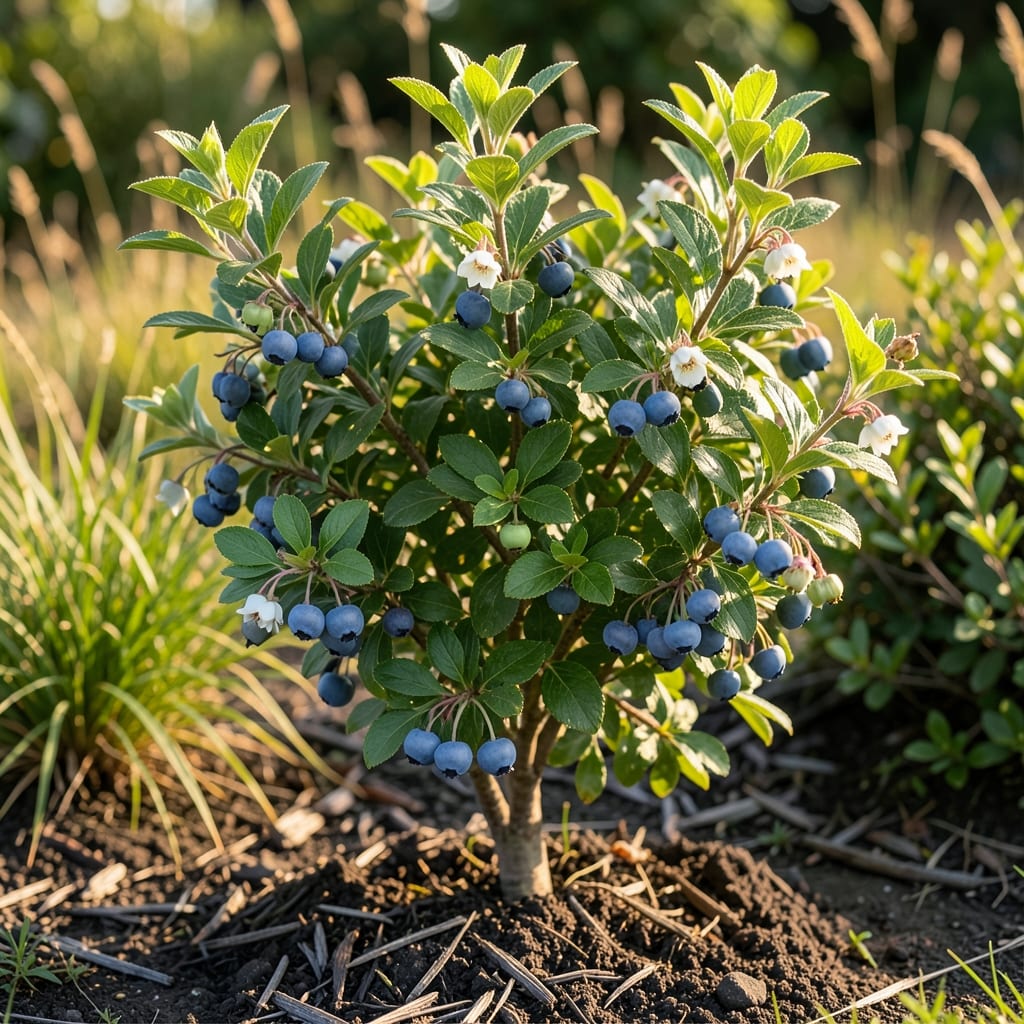
If you've ever wondered "how tall can blueberry bushes grow", the answer might surprise you—these fruiting shrubs can range from dwarf varieties that fit snugly in containers to towering standard bushes reaching 12 feet or more. Whether you're planning a backyard garden or a small urban plot, knowing your blueberry bush's mature height is the key to giving it the space it needs to thrive.
For home gardeners in USDA Zone 6a, where spring planting kicks off in April-May, choosing the right variety isn't just about berry flavor—it's about how much room you can realistically dedicate. A dwarf blueberry bush (around 2-4 feet) fits perfectly on a patio, while a standard variety could soon outgrow your expectations if planted too close to fences or other structures.
But here's the thing: height isn't just about variety—soil acidity, pruning habits, and even your local climate play a role in how tall your 🫐 blueberry bush will grow. The good news? With the right care, you can influence its growth to match your garden's layout. Let's break down what you need to know to plan for success.
In this guide, you'll discover how to select the perfect variety for your space, the spacing rules that prevent overcrowding, and practical pruning tips to keep your bushes at your desired height. Whether you're a first-time gardener or a seasoned pro, these insights will help you cultivate a thriving blueberry patch without the headaches of unexpected growth.


Blueberry bush height by variety: compact dwarf to tall standard sizes
When planning your 🫐 blueberry bush garden, one of the first questions I ask myself is: "How tall will this plant actually get?" The answer depends entirely on the variety you choose, with heights ranging from 2 feet for dwarf types to over 12 feet for standard varieties. Understanding these differences helps me avoid cramped planting scenarios or wasted space in my garden beds.
For USDA Zone 6a gardeners like me, where winters can be harsh, selecting the right variety isn't just about height—it's also about cold hardiness. Most northern highbush varieties (like 'Bluecrop' or 'Jersey') reach 5-7 feet at maturity, while rabbiteye varieties (such as 'Climax') can grow even taller, sometimes exceeding 10 feet in ideal conditions.
But here's what surprises many new gardeners: even within the same category, growth patterns vary. A dwarf blueberry bush like 'Top Hat' stays under 3 feet, making it perfect for container gardening or small urban plots. Meanwhile, a standard variety like 'Duke' can shoot up to 12 feet if left unpruned, which is why I always check mature height before purchasing.
| Variety Type | Common Varieties | Mature Height | Growth Habit | Best For |
|---|---|---|---|---|
| Dwarf | Top Hat, Sunshine Blue, Pink Lemonade | 2-4 ft | Compact, bushy | Containers, small gardens, urban plots |
| Semi-Dwarf | Patriot, Blueberry 'Pink Icing', Sunshine Blue | 4-6 ft | Upright, spreading | Backyard gardens, hedgerows |
| Standard (Northern Highbush) | Bluecrop, Jersey, Duke | 6-10 ft | Tall, upright | Large gardens, orchards, privacy screens |
| Rabbiteye | Climax, Tifblue, Powderblue | 8-12+ ft | Very tall, spreading | Rural areas, large landscapes |
| Lowbush (Wild Type) | Lowbush (Vaccinium angustifolium) | 1-3 ft | Low-growing, dense | Wild harvesting, ground cover |
Note: Heights can vary based on pruning, soil quality, and climate conditions.
One variety that always catches my eye is the rabbiteye blueberry, known for its impressive height. Varieties like 'Climax' can reach 10-12 feet or more, making them ideal for privacy screens or large rural properties. However, their size means they need plenty of space—something I keep in mind when planning my garden layout.
For smaller spaces, I've found that dwarf varieties like 'Top Hat' are game-changers. These bushes stay under 3 feet tall, making them perfect for balcony gardens or even large pots. The trade-off? They produce smaller yields, but the convenience of harvesting from a countertop height makes up for it.
If you're growing northern highbush varieties like 'Bluecrop' or 'Jersey', expect them to reach 5-7 feet at maturity. These are the workhorses of home blueberry gardens—they're cold-hardy, productive, and adaptable to a range of soil conditions. I always recommend these for beginners because they strike a perfect balance between manageable size and high yields.
Here's a pro tip I learned the hard way: always check the mature height before buying. I once planted a standard rabbiteye variety too close to my patio, and within three years, it was casting shade over my entire seating area. Now, I measure twice and plant once, ensuring each bush has the space it needs to grow without crowding its neighbors.
Another factor that influences height is pruning habits. Even tall varieties can be kept in check with regular pruning, while dwarf varieties may benefit from minimal trimming to encourage bushiness. I'll cover
Optimal spacing rules for blueberry bushes by height class
Proper spacing is just as critical as choosing the right blueberry variety—and it directly impacts both fruit production and plant health. I’ve learned that crowding bushes leads to poor airflow, which invites fungal diseases like botrytis and reduces yields. The key? Match spacing to your bush’s mature height and growth habit.
For dwarf varieties (like 'Top Hat' or 'Sunshine Blue'), I recommend spacing them 2-3 feet apart in containers or 3-4 feet apart in garden beds. This prevents overcrowding while allowing easy access for harvesting. In my own urban garden, I’ve successfully grown three dwarf bushes in a 5-gallon container arrangement, each with its own dedicated space.
Here’s where many gardeners make mistakes: assuming one-size-fits-all spacing. A semi-dwarf variety (like 'Patriot') needs 4-5 feet of space in all directions, while standard northern highbush varieties (such as 'Bluecrop') require 5-6 feet. Rabbiteye varieties, like 'Climax', can spread 8-10 feet wide—so if you’re using them for a privacy screen, plan accordingly!
| Height Class | Recommended Spacing (In-Ground) | Container Spacing | Airflow Benefit | Best For |
|---|---|---|---|---|
| Dwarf (2-4 ft) | 3-4 ft apart | 1 bush per 5-gallon container | Reduces fungal risk | Small gardens, containers, urban plots |
| Semi-Dwarf (4-6 ft) | 4-5 ft apart | 1 bush per 10-gallon container | Balances growth and yield | Backyard gardens, hedgerows |
| Standard (6-10 ft) | 5-6 ft apart | Not recommended for containers | Maximizes sunlight exposure | Large gardens, orchards |
| Rabbiteye (8-12+ ft) | 8-10 ft apart | Not recommended for containers | Prevents shade competition | Rural areas, privacy screens |
Note: Adjust spacing if growing in highly fertile soil or wet climates.
Container gardening adds another layer of complexity. While dwarf varieties thrive in 5-gallon pots, semi-dwarf bushes need at least 10 gallons to avoid root-bound stress. I’ve seen gardeners struggle when they cram two semi-dwarf bushes into a single 15-gallon container—the result? Stunted growth and poor fruit set. Always prioritize root space over squeezing in extra plants.
One trick I’ve used to maximize space is interplanting. For example, I’ll pair a dwarf blueberry bush with companion plants like thyme or basil (which deters pests) in the same container. This works beautifully in patio gardens where vertical space is limited. Just ensure the companions don’t compete for nutrients or water.
For large gardens, I recommend mapping your layout before planting. Use stakes and string to visualize spacing—this helps avoid the heartbreak of realizing your 10-foot rabbiteye is now shading your vegetable patch. And remember: airflow is non-negotiable. Proper spacing reduces humidity around the foliage, cutting down on powdery mildew and other diseases that plague crowded blueberry patches.
If you’re unsure about spacing, err on the side of more room. Blueberry bushes reward patience with bigger yields and healthier growth when they’re not fighting for resources. Now that you’ve got the spacing rules down, let’s talk about how to control height through pruning—because even the tallest varieties can be tamed with the right techniques.