
Trees
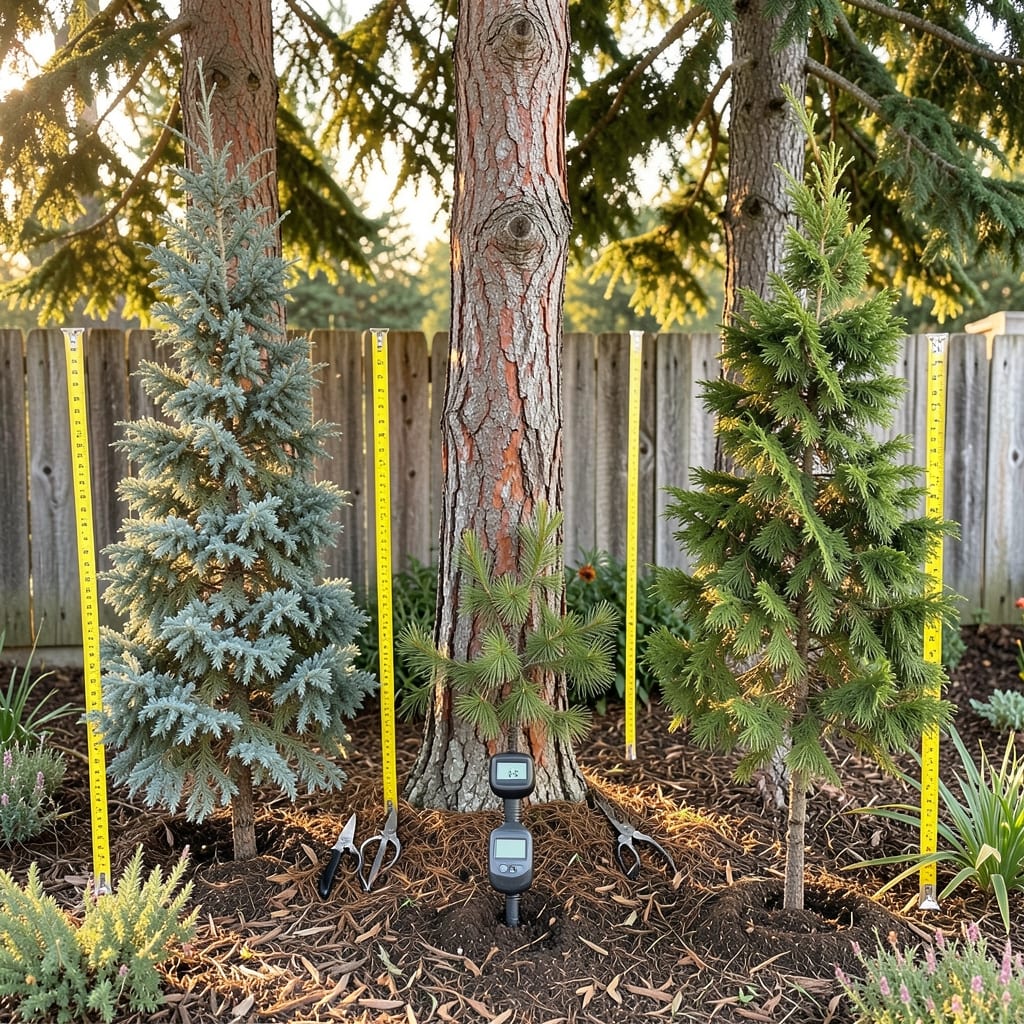
Ever wondered just how tall can cedar trees grow before they start crowding your backyard? The answer might surprise you—some varieties stretch toward the sky like natural skyscrapers, while others stay neatly contained as shrubs. Knowing these differences is the key to picking the perfect cedar for your space, whether you're dreaming of a towering shade provider or a low-maintenance hedge.
Cedar trees aren't one-size-fits-all. The Atlas cedar, for example, can reach heights of 40 feet or more, making it a statement piece for large properties, while the Eastern red cedar typically stays between 30-40 feet—ideal for privacy screens without taking over your yard. Even faster-growing hybrids like the Leyland cypress can shoot up 3-4 feet per year, giving you quick results if you're in a hurry.
But here's the catch: growth depends on more than just genetics. Soil quality, sunlight exposure, and even your local climate play huge roles in determining how tall your cedar will become. In USDA Zone 6a, where many gardeners plant in April-May, proper spacing and occasional pruning can help manage height naturally—so you get the beauty without the overgrowth.
Ready to make an informed choice? I'll walk you through the fastest-growing varieties, spacing tips, and simple pruning tricks to keep your cedar 🌲 at the perfect height for your landscape. Let's get started!

Cedar tree height by species: from dwarf to giant varieties
When planning your landscape, knowing how tall cedar trees grow is essential—especially since varieties range from 8-foot shrubs to 40-foot giants. The Atlas cedar (Cedrus atlantica) is the tallest, often reaching 40-60 feet in ideal conditions, while the Eastern red cedar (Juniperus virginiana) typically maxes out around 30-40 feet. Even dwarf varieties like 'Blue Rug' juniper stay under 3 feet, perfect for containers or rock gardens.
If you're after fast vertical growth, the Leyland cypress (Cupressocyparis leylandii), often called a cedar hybrid, is a powerhouse—growing 3-4 feet per year and reaching 60-70 feet in just 10-15 years. For smaller spaces, the Deodar cedar (Cedrus deodara) offers a balanced 40-60 feet height with a graceful, weeping habit.
Here’s how the most popular cedar varieties stack up in terms of mature height and growth rate, so you can pick the perfect fit for your yard:
| Variety | Mature Height (ft) | Growth Rate (ft/year) | Best For |
|---|---|---|---|
| Atlas Cedar | 40-60 | 1-2 | Shade trees, large properties |
| Eastern Red Cedar | 30-40 | 0.5-1.5 | Privacy screens, wildlife habitat |
| Deodar Cedar | 40-60 | 1-2 | Ornamental, large landscapes |
| Leyland Cypress (Hybrid) | 60-70 | 3-4 | Fast privacy screens, windbreaks |
| Dwarf 'Blue Rug' Juniper | 2-3 | 0.1-0.2 | Containers, rock gardens |
| Thuja Occidentalis 'Smaragd' | 12-15 | 0.5-1 | Hedges, small yards |
The Atlas cedar and Deodar cedar are the tallest true cedars, making them ideal for statement pieces in parks or large estates. Their slow-to-moderate growth means they won’t overwhelm your space overnight, but their eventual height requires ample room—at least 20-30 feet of clearance from structures or power lines.
For urban gardens or small backyards, the Thuja occidentalis 'Smaragd' (Arborvitae) is a smart choice—it tops out at 12-15 feet and grows just 6 inches per year, staying manageable without sacrificing beauty. Its blue-green foliage also adds year-round color, even in USDA Zone 6a winters.
If you're planting in April-May, as many gardeners do in Zone 6a, give your cedar a well-draining soil mix to prevent root rot—a common issue with waterlogged cedar roots. Amend heavy clay soil with compost or sand to improve drainage, and avoid planting near foundation walls unless you’re using dwarf varieties.
Pro tip: Mulch around the base with wood chips to retain moisture and suppress weeds, but keep mulch 3 inches away from the trunk to prevent rot. This simple step can double your cedar’s survival rate in the first critical year.
🌲
Cedar tree height by species: from dwarf to giant varieties
When planning your landscape, knowing how tall can cedar trees grow is crucial—especially since some varieties can dwarf others by 30 feet. The Atlas cedar (Cedrus atlantica) is the tallest, often reaching 40-60 feet with a broad, majestic canopy, perfect for large estates or park-like settings. Meanwhile, the Eastern red cedar (Juniperus virginiana) typically maxes out at 30-40 feet, making it ideal for privacy screens in medium-sized yards.
For smaller spaces, consider the dwarf cedar varieties like Emerald Green arborvitae, which stays under 12 feet tall while offering dense foliage. Even faster-growing hybrids like the Leyland cypress (× Cupressocyparis leylandii) can hit 60-70 feet in ideal conditions, but these are often used as windbreaks rather than ornamental trees.
Here’s how to match your space to the right cedar—whether you need a towering shade provider or a compact hedge.
Cedar Tree Height Comparison
| Variety | Mature Height | Growth Rate | Best For |
|---|---|---|---|
| Atlas Cedar | 40–60 ft | 1–2 ft/year | Large estates, shade |
| Eastern Red Cedar | 30–40 ft | 6–12 in/year | Privacy screens, wildlife |
| Deodar Cedar | 50–70 ft | 1–2 ft/year | Ornamental, large gardens |
| Leyland Cypress | 60–70 ft | 3–4 ft/year | Windbreaks, fast shade |
| Dwarf Cedar (e.g., Emerald Green) | 8–12 ft | 6 in/year | Hedges, small yards |
Climate plays a huge role in height. In USDA Zone 6a, where I garden, cedars like the Eastern red cedar thrive with minimal care, while Deodar cedars need warmer conditions to reach their full 70-foot potential. Always check your zone’s frost-free days—165 days in my area means cedars planted in April-May get a full growing season to establish roots before winter.
Soil drainage is another game-changer. Cedar trees hate soggy roots, so amend heavy clay with compost or plant on a slight mound. For fastest growth, pair your cedar with full sun exposure (6+ hours daily) and well-draining soil. This combo helps varieties like the Leyland cypress hit 3 feet per year—ideal if you need quick privacy.
Pro tip: If you’re unsure about spacing, err on the side of caution. A 40-foot Atlas cedar needs at least 20 feet of clearance from structures, while a 12-foot dwarf cedar can fit snugly in a 5-foot-wide hedge. Measure twice, plant once!