
Trees
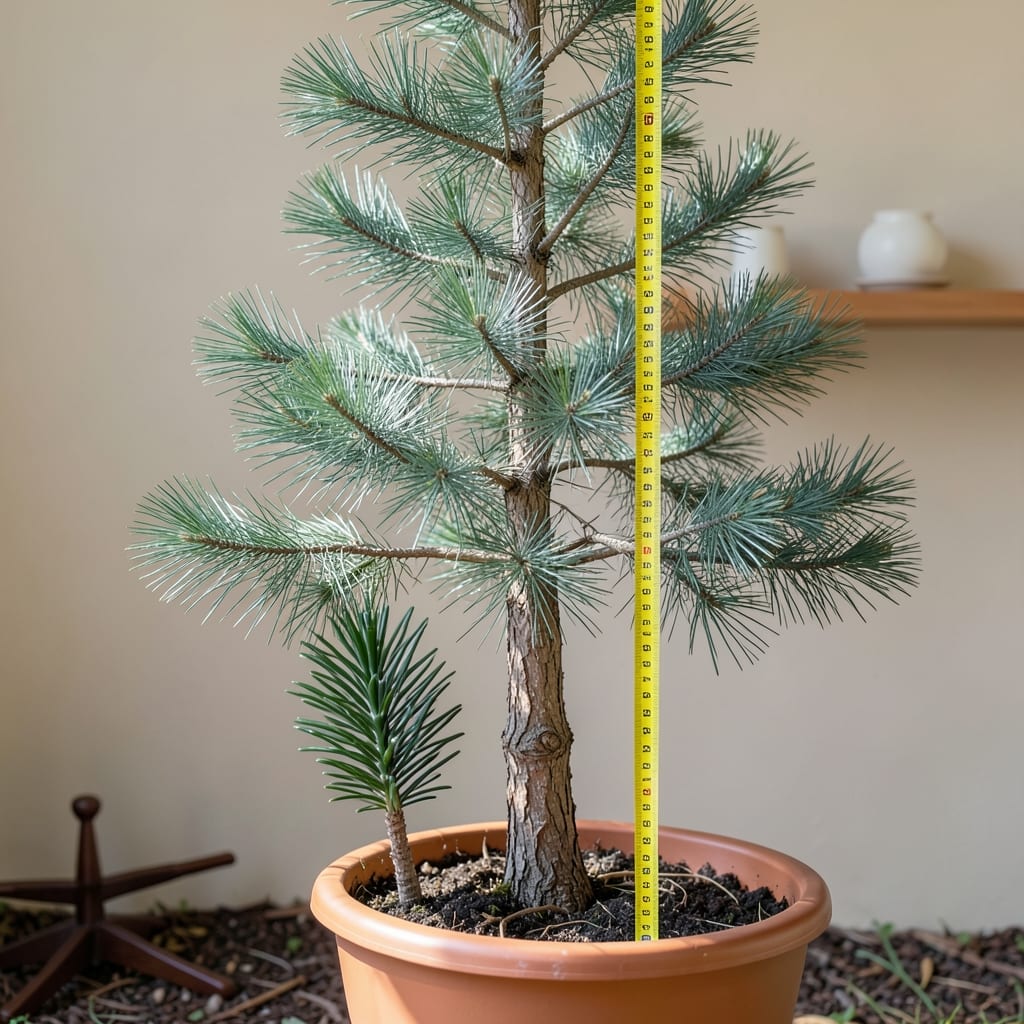
If you’ve ever wondered just how tall your Christmas tree could grow if left to its own devices, the answer might surprise you. Some varieties of 🎄 Christmas trees can reach staggering heights—towering over 60 feet in ideal conditions—while others stay perfectly manageable for even the coziest living rooms.
But here’s the catch: the height of your tree isn’t just about luck or guesswork. It depends on the species, your climate (especially in USDA Zone 6a), and how you care for it. Whether you’re dreaming of a backyard giant or a compact centerpiece, knowing the growth limits of popular varieties is the key to making the right choice.
In this guide, I’ll break down the mature heights of common Christmas trees—from the sky-scraping Douglas fir to the more modest dwarf varieties—and share practical tips to control growth if you’re working with limited space. You’ll also learn how planting time, soil, and pruning habits can shape your tree’s future size.
Ready to plan your perfect 🎄 Christmas tree? Let’s dive into the details so you can grow the tree of your dreams—without the unexpected surprises. Whether you’re a first-time planter or a seasoned gardener, these insights will help you set realistic expectations and enjoy a beautiful tree year after year.


Christmas tree species growth limits: tallest vs shortest varieties
When choosing a Christmas tree, the mature height can vary dramatically—from dwarf varieties that stay under 10 feet to giant conifers that reach over 100 feet in the wild. The species you select will determine not only how tall your tree grows but also its growth rate, needle retention, and overall care requirements.
Most Christmas trees fall into three broad categories: standard (20-60 ft), semi-dwarf (10-15 ft), and dwarf (4-8 ft). However, even within these categories, individual species can have wildly different growth habits. For example, the Douglas fir can grow up to 100+ feet in ideal conditions, while the Scotch pine typically maxes out around 50 feet.
Below, I’ve compared the most popular Christmas tree species, including their mature heights, growth rates, and ideal growing conditions. This will help you decide whether you’re better suited for a backyard giant or a manageable container tree.
🌲 Christmas Tree Species Growth Comparison
| Species | Mature Height (ft) | Growth Rate (ft/year) | Ideal Climate | Notes |
|---|---|---|---|---|
| Douglas Fir | 80-100+ | 2-3 | Cool, moist | Fast-growing, strong branches |
| Fraser Fir | 50-70 | 1.5-2.5 | Mountainous, cool | Excellent needle retention |
| Nordmann Fir | 40-60 | 1.5-2 | Temperate | Smooth bark, needle-free branches |
| Scotch Pine | 30-50 | 1-2 | Drought-tolerant | Orange-brown needles |
| White Pine | 50-75 | 2-3 | Wet to moist | Soft needles, flexible branches |
| Dwarf Alberta Spruce | 4-8 | 0.2-0.5 | Container-friendly | Perfect for small spaces |
| Blue Spruce | 40-60 | 1.5-2.5 | Cold, dry | Silvery-blue needles |
| Canaan Fir | 30-50 | 1-2 | Humid | Fragrant, dense foliage |
| Semi-Dwarf Norway Spruce | 10-15 |
How to estimate your tree's future height before plantingPredicting how tall your Christmas tree will grow is easier than you think—if you know the right factors. Start by checking the seedling height and root ball size when you purchase it. A 6-foot seedling of a standard variety will grow 2-3 feet per year under ideal conditions, while dwarf varieties add only 6-12 inches annually. For example, a Douglas fir seedling at 4 feet may reach 20 feet in 5 years if planted in well-drained soil with full sun. Next, consider your USDA Zone 6a climate. Cooler zones slow growth slightly, while warmer areas with 6+ hours of sunlight can accelerate it. For instance, a Fraser fir in Zone 6a might grow 1 foot slower per year than one in Zone 7. Always verify the species growth rate—some, like the Scotch pine, grow 3 feet per year, while others, like the Norway spruce, average 1-2 feet. 🌱 5 Key Factors to Estimate Your Tree's Height
To calculate a rough 5-year projection, multiply the seedling height by 2.5-3.5 for standard trees or 1.5-2.0 for dwarf varieties. For example, a 5-foot Fraser fir seedling could reach 12-17 feet in 5 years. Use this formula: (Seedling Height × Growth Multiplier) = Estimated Height. Always factor in your local climate—trees in Zone 6a may grow 10-15% slower than in warmer zones. For container-grown trees, growth slows significantly due to root restriction. A 10-gallon pot limits height gain to 1-2 feet per year, while a 75-gallon container allows 2-3 feet annually. If you’re planting in a small urban yard, opt for semi-dwarf varieties like the Blue Spruce, which tops out at 15 feet even with minimal pruning. One common mistake is assuming all Christmas trees grow at the same rate. A Nordmann fir, for instance, grows 1-2 feet per year, while a Leyland cypress (often used as a Christmas tree alternative) can add 3-4 feet annually. Always check the nursery label for mature height estimates—this gives you the most accurate baseline. If you’re unsure, ask the nursery staff for the species-specific growth chart. Finally, consider spacing requirements. Standard trees need 6-8 feet between plants to avoid competition, while dwarf varieties can be spaced 3-4 feet apart. Proper spacing ensures your tree grows straight and strong, not stunted or leaning. With these tips, you’ll avoid surprises and grow the perfect-sized 🎄 Christmas tree for your space—whether it’s a backyard giant or a cozy living room centerpiece. |