
Size
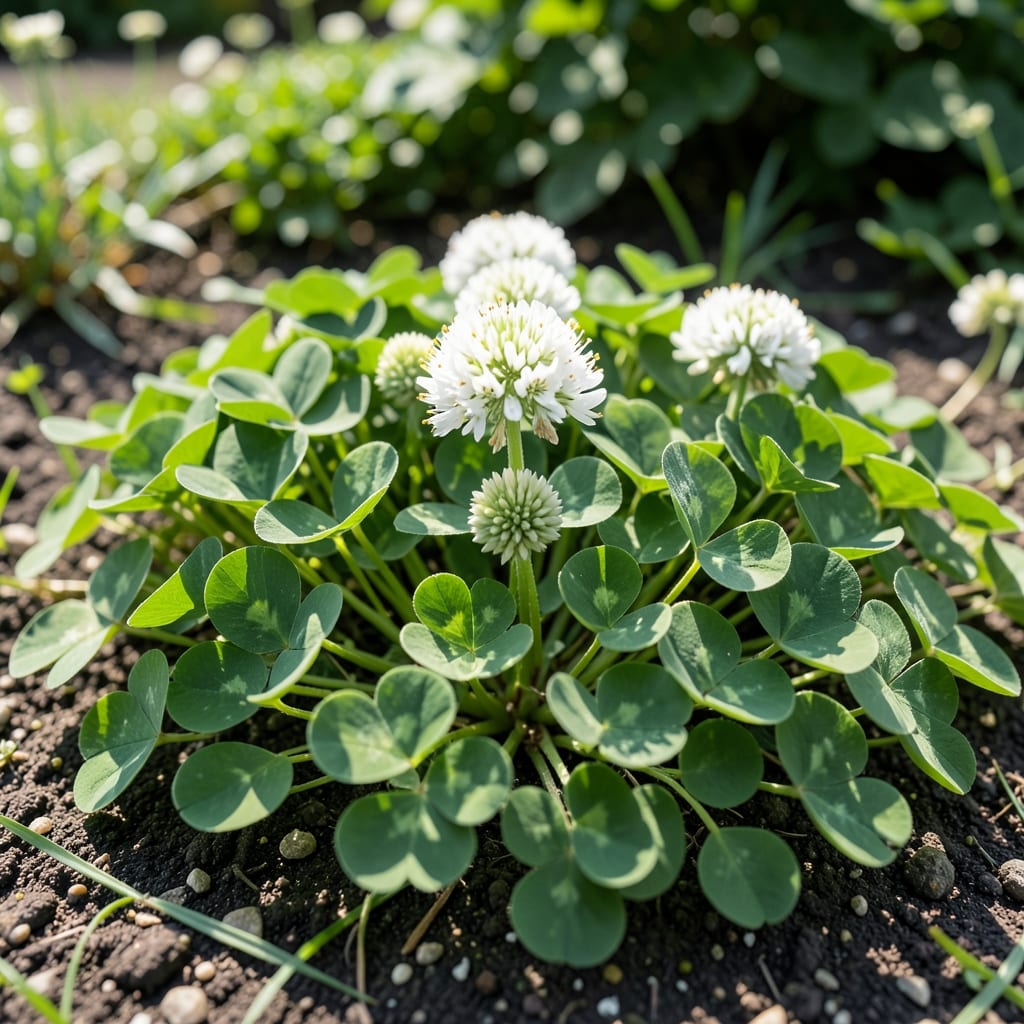
If you’ve ever wondered how tall can clover grow, the answer might surprise you—some varieties barely scrape your ankles, while others tower like a mini meadow. Whether you’re dreaming of a lush lawn alternative or a pollinator-friendly garden, choosing the right clover type means understanding its growth habits first.
Most gardeners picture clover as a low-growing ground cover, but the truth is far more varied. White Dutch clover, for example, stays compact at just 2-4 inches tall, making it perfect for lawns and walkways. On the other end, red clover can shoot up to 3 feet or more when left untrimmed, thriving in meadows and wildflower mixes. The difference comes down to variety, sunlight, and soil conditions—all factors we’ll break down to help you pick the best fit for your space.
Why does height matter? A shorter clover variety keeps your lawn neat and weed-free, while taller types attract bees and butterflies while controlling erosion. Plus, knowing how tall your clover will grow helps you plan spacing, maintenance, and even companion plants. Let’s explore the full range of clover heights and how to get the most out of yours—no matter where you’re planting.
From dwarf ground covers to towering meadow staples, clover’s height is one of its most versatile traits. Whether you’re replacing grass or adding a pollinator haven, the right variety can transform your garden. Ready to find out which clover will work best for you?

Clover height variations: from dwarf ground covers to towering meadow types
Clover isn’t just one-size-fits-all—its height varies dramatically depending on the variety. If you’re asking how tall can clover grow, the answer spans from barely above the soil to over three feet tall. This diversity makes clover adaptable for lawns, meadows, and even pollinator gardens. Let’s explore the height ranges of the most popular types so you can pick the perfect fit for your space.
The key to choosing the right clover lies in understanding its growth habits. White Dutch clover, for example, stays low and dense, making it ideal for lawns where you want a soft, weed-resistant ground cover. Meanwhile, red clover and alsike clover can grow tall and leggy if left unchecked, perfect for wildflower mixes or erosion control. Each type thrives under slightly different conditions, so let’s break down the specifics.
Here’s a quick comparison of the most common clover varieties and their typical heights at maturity. These ranges can shift based on sunlight, soil quality, and regional climate, but they give you a solid starting point for planning.
| Variety | Height Range (Mature) | Growth Habit | Best For |
|---|---|---|---|
| White Dutch Clover | 2–4 inches | Low, dense, spreading | Lawns, walkways, erosion control |
| Red Clover | 1–3 feet | Tall, upright, bushy | Pollinator gardens, meadows, soil improvement |
| Alsike Clover | 1–2 feet | Medium, semi-upright | Pastures, wildflower mixes, erosion control |
| Crimson Clover | 1–2.5 feet | Tall, leggy, flowering | Pollinator gardens, cover crops, winter interest |
| Micro Clover (e.g., 'Dwarf White') | 1–3 inches | Ultra-low, carpet-like | Container gardens, patios, small lawns |
If you’re planting clover for a lawn alternative, stick with varieties like white Dutch clover or micro clover. These stay low enough to mow occasionally (if you prefer) and won’t overpower your space. For a wildflower meadow or pollinator garden, taller types like red clover or crimson clover will attract bees and butterflies while adding vertical interest.
One common misconception is that all clover grows tall and unruly. In reality, many varieties are bred to stay compact, especially those designed for lawns. For example, Dutch white clover is often used in no-mow lawns because it stays under 4 inches tall, making it perfect for low-maintenance yards. Meanwhile, alsike clover can reach up to 2 feet but is often trimmed back to control its height in pastures.
Height isn’t the only factor to consider—growth rate and spread also play a role. Some clovers, like white Dutch clover, spread aggressively through underground runners, creating a dense mat. Others, like red clover, grow taller but spread more slowly, making them better for mixed plantings. Understanding these traits helps you avoid overcrowding or gaps in your garden.
For gardeners in dry climates, taller clovers like alsike or crimson may struggle without consistent moisture, while low-growing types like micro clover thrive with minimal water. In humid regions, taller varieties can become leggy and prone to disease, so regular trimming may be necessary to keep them healthy and compact.
Pro tip: If you’re unsure which clover to choose, start with a mix of heights. For example, plant white Dutch clover in the front of a border for a neat edge, then add red clover in the back for height and pollinator appeal. This layered approach creates visual interest while maximizing clover’s benefits.
Now that you know the height ranges, the next step is matching your clover to your garden’s needs. Whether you’re replacing grass, adding a pollinator haven, or controlling erosion, the right variety can make all the difference. Ready to dive deeper into how height affects your garden’s layout and maintenance? Let’s explore that in the next section.
How clover height affects your garden: choosing the right type for your space
When planning your garden, clover height isn’t just about aesthetics—it directly impacts functionality. A low-growing variety like white Dutch clover creates a lush, weed-free lawn alternative, while taller clovers like red or crimson add vertical interest and attract pollinators. The right choice depends entirely on your garden’s purpose and layout.
For lawn replacements, prioritize dwarf or micro clover varieties that stay under 4 inches tall. These types form dense mats that crowd out weeds while requiring minimal mowing. If you’re aiming for a pollinator garden, taller clovers like red or alsike will provide nectar-rich blooms for bees and butterflies, with heights ranging from 1 to 3 feet.
Here’s how clover height influences your garden’s design and maintenance:
Low-Growing Clover (2–4 inches)
- Perfect for lawns and walkways
- Minimal mowing required
- Weed suppression
- Drought-tolerant once established
- Limited pollinator appeal
- May spread aggressively
- Less visual interest in borders
Medium-Tall Clover (1–2 feet)
- Great for pollinator gardens
- Adds texture to borders
- Improves soil fertility
- Moderate maintenance needs
- Requires occasional trimming
- May self-seed aggressively
- Less ideal for high-traffic areas
Tall Clover (2–3+ feet)
- Excellent for meadows and erosion control
- Attracts bees and butterflies
- Winter interest with seed heads
- Improves soil structure
- High maintenance in small gardens
- May flop in heavy rain
- Requires more space
If you’re replacing grass, white Dutch clover or micro clover are your best bets—they stay low, stay green, and handle foot traffic better than taller varieties. For pollinator gardens, mix red clover (2–3 feet) with shorter flowers like lavender or yarrow to create a layered effect that attracts beneficial insects.
For erosion control on slopes or bare patches, taller clovers like alsike or crimson clover form dense root systems that stabilize soil. Plant them in clumps or drifts rather than solid rows to prevent overcrowding and allow sunlight to reach the base of plants.
One common mistake is assuming all clover grows tall and unruly. In reality, many varieties—especially those bred for lawns—stay neatly contained. For example, Dutch white clover rarely exceeds 4 inches, making it ideal for container gardens or patios where space is limited. Meanwhile, red clover can reach 3 feet if left untrimmed, so plan accordingly if you’re using it as a backdrop plant.
Pro tip: If you love the look of tall clover but have limited space, try container gardening with dwarf varieties like 'Dwarf White' clover. These stay under 3 inches tall while still providing the same benefits—just on a smaller scale. For larger areas, mix heights by planting low clover in front and taller types in the back to create depth and visual interest.
Remember, clover height isn’t set in stone—it’s influenced by sunlight, soil, and maintenance. With the right variety and care, you can tailor clover to fit any garden, from a neat lawn alternative to a wildflower meadow. Ready to explore how to manage clover growth for your specific conditions? Let’s dive into the factors that make some clover stay short while others shoot up.