
Size
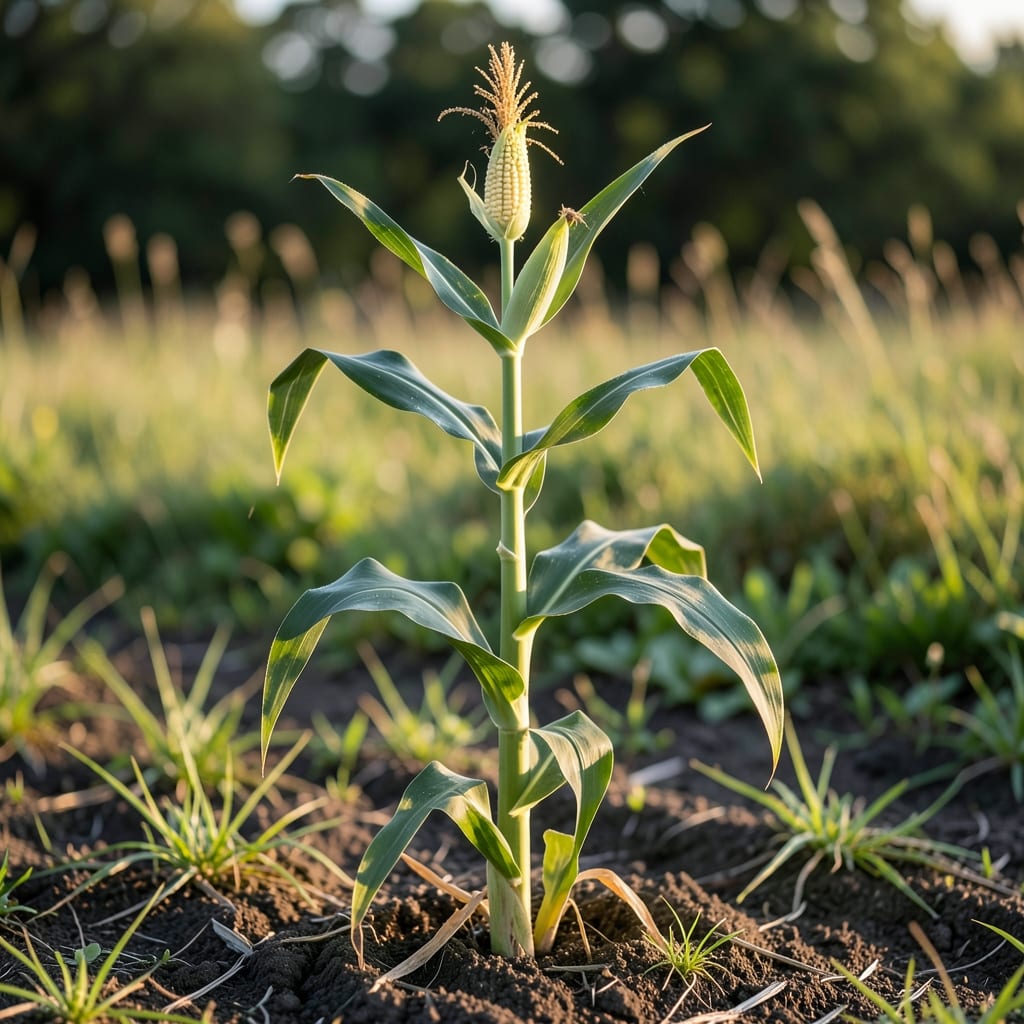
If you’ve ever wondered how tall can corn plants grow, the answer might surprise you—some varieties stretch taller than a basketball hoop, reaching heights of 10 feet or more! Whether you're a backyard gardener or just curious about nature’s skyscrapers, understanding corn’s growth potential is key to planning your garden layout and care routine.
Corn isn’t just one size fits all—some dwarf varieties stay compact at just 4-5 feet, while giants like 'Mammoth' can tower up to 14 feet under ideal conditions. The difference? Genetics, sunlight, soil quality, and even watering habits all play a role in whether your 🌽 plants will stay short or shoot for the sky.
But here’s the thing: even the tallest corn needs the right support to avoid flopping over. I’ll break down how to maximize height without sacrificing strength, plus spacing tips and environmental tweaks to help your plants reach their full potential—no matter where you live.
Ready to grow corn that’s not just productive but also a showstopper in your garden? Let’s dive into the secrets behind record-breaking heights and how you can apply them to your own plot.

Corn plant height records by variety: tallest types and their growth characteristics
Corn isn't just one size fits all—some varieties grow as short as 4 feet, while others reach 14 feet or taller! The tallest corn varieties aren't just impressive; they're also indicators of ideal growing conditions. Whether you're aiming for a backyard corn maze or just want to maximize your harvest, choosing the right variety is the first step to reaching those record-breaking heights.
Most home gardeners grow standard sweet corn varieties like 'Silver Queen' or 'Country Gentleman', which typically mature between 6-8 feet. But if you're chasing the tallest corn plants, you'll want to explore giant varieties designed for extreme growth. These aren't just for show—they can produce larger ears and more robust stalks, making them ideal for gardeners with space to spare.
Here's where things get interesting: ornamental corn varieties often hold the height records. For example, 'Mammoth' corn can stretch up to 14 feet under perfect conditions, while 'Country Gentleman' (a popular sweet corn) usually tops out around 9 feet. The difference? Genetics, growing techniques, and environmental factors all play a role in pushing corn to its maximum height potential.
🌽
| Variety | Height Range | Growth Habits | Best For |
|---|---|---|---|
| Dwarf Varieties (e.g., 'Tom Thumb') | 4–5 feet | Compact, early maturing | Small gardens, containers |
| Semi-Dwarf (e.g., 'Peaches and Cream') | 6–8 feet | Balanced height, good yield | Home gardens, fresh eating |
| Standard Sweet Corn (e.g., 'Country Gentleman') | 8–10 feet | Tall, sturdy stalks, late maturing | Large gardens, canning |
| Giant Varieties (e.g., 'Mammoth') | 10–14+ feet | Extreme height, slow growth | Show gardens, experimental growing |
| Ornamental Corn (e.g., 'Glass Gem') | 7–12 feet | Colorful kernels, decorative | Landscaping, fall displays |
Note: Heights vary based on growing conditions, soil quality, and sunlight.
If you're growing tall corn varieties, it's essential to understand their growth characteristics. For instance, giant corn like 'Mammoth' takes longer to mature—sometimes up to 120 days—because it focuses energy on height rather than early ear development. Meanwhile, dwarf varieties mature faster (often in 60-70 days) but produce smaller ears. This trade-off is why gardeners must align their variety choice with their garden layout and harvest timeline.
One key factor in corn height is internode elongation, the spaces between leaves on the stalk. In tall varieties, these internodes stretch significantly to support the plant's height. However, this also makes the stalk more susceptible to lodging (falling over) if not properly supported. That’s why trellising or staking becomes critical for varieties exceeding 8 feet.
For those chasing record-breaking heights, consider planting ornamental corn like 'Glass Gem', which not only grows tall but also boasts stunning rainbow-colored kernels. These varieties are perfect for gardeners who want to combine aesthetic appeal with height potential. Just be prepared for a longer growing season—these beauties need plenty of time to reach their full glory.
🌳
Don’t overlook the role of soil and sunlight in maximizing height. Even the tallest corn varieties will struggle to reach their potential without rich, well-draining soil and full sunlight exposure. I’ll dive deeper into these factors in the next section, but for now, remember: the right variety is just the starting point. To truly unlock your corn’s height potential, you’ll need to optimize its growing environment.
Whether you're a beginner gardener or a seasoned pro, experimenting with different corn varieties can turn your garden into a vertical wonderland. Just imagine a 12-foot-tall corn plant standing proudly in your backyard—it’s not just a crop, it’s a statement!
Factors that determine how tall corn grows: soil, sunlight, and genetics
Corn height isn't just luck—it’s a mix of genetics, soil quality, and environmental conditions. Even the tallest varieties need the right foundation to reach their potential. For example, 'Mammoth' corn might hit 14 feet with perfect care, but poor soil or shade could shrink it to half that size.
Let’s break down the three key factors that control corn height: soil nutrients, sunlight exposure, and genetic traits. Each plays a critical role in whether your plants will stretch toward the sky or stay stubby. Understanding these will help you troubleshoot why your corn might be shorter (or taller!) than expected.
First, soil nutrients are the backbone of corn growth. Corn is a heavy feeder, especially for nitrogen and phosphorus. A soil test before planting can reveal deficiencies—like low potassium—that stunt stalk strength. I’ve seen corn plants double in height just by amending soil with compost and a balanced fertilizer like 5-10-10.
Next, sunlight is non-negotiable. Corn needs 6-8 hours of direct sun daily to fuel rapid growth. Shade from trees or buildings can reduce height by 30-50%. Even partial shade slows photosynthesis, which directly impacts internode elongation—the segments between leaves that determine final height.
Finally, genetics set the upper limit. Dwarf varieties like 'Golden Bantam' max out at 4-5 feet, while hybrids like 'Lodgers' can reach 10+ feet. But here’s the catch: even tall varieties need ideal conditions to unlock their full potential. For instance, 'Country Gentleman' might stay under 8 feet in cool climates but shoot up to 12 feet in warm, sunny regions.
🌱 Optimal Conditions vs. Suboptimal Conditions
✅ Optimal Conditions
- Soil: Rich in N-P-K (5-10-10)
- Sunlight: 8+ hours/day
- Water: 1-2 inches/week
- Temperature: 70-85°F
- Result: Max height potential
❌ Suboptimal Conditions
- Soil: Poor nutrients or drainage
- Sunlight: <4 hours/day
- Water: Inconsistent or overwatered
- Temperature: Below 60°F or above 90°F
- Result: Stunted growth, weak stalks
One common mistake I see is assuming all corn needs the same care. For example, ornamental corn (like 'Glass Gem') prioritizes leaf color over height, while field corn focuses on stalk strength. Even within sweet corn, early varieties like 'Silver Queen' stay shorter (6-7 feet) compared to late-season giants like 'Peaches and Cream' (9-10 feet).
To maximize height, focus on well-draining soil, consistent watering, and full sun exposure. Even a small tweak—like adding mulch to retain moisture or using a trellis for support—can help your corn reach its genetic ceiling. The right conditions turn potential into reality.