
Plants
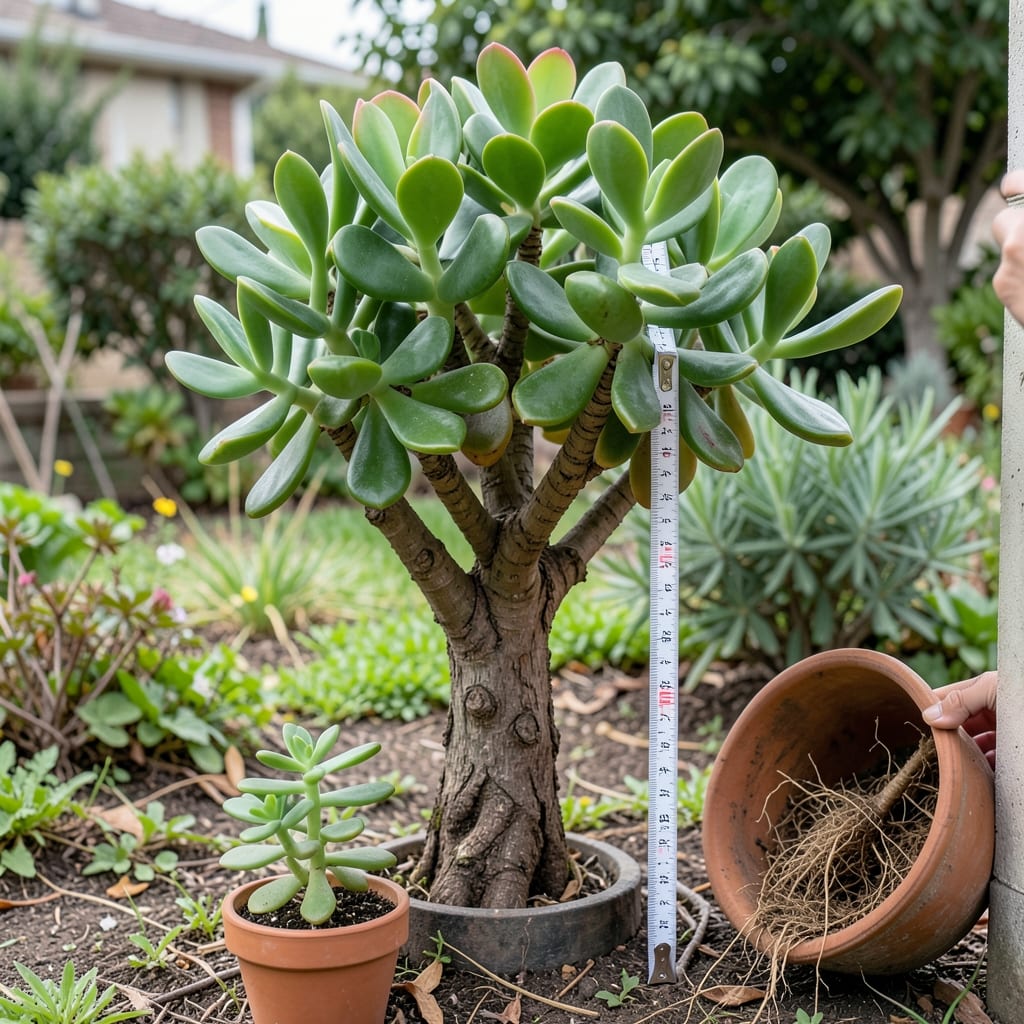
If you’ve ever wondered how tall can jade plants grow, you’re not alone—these succulents can surprise you with their potential, stretching from tiny tabletop plants to towering indoor trees. The 🌿 Jade Plant (Crassula ovata) is one of the most versatile houseplants, but its height depends on care, sunlight, and a little patience.
Under ideal conditions, a mature jade plant can reach 3 feet tall or even taller with proper care, but most stay between 1-2 feet indoors. The key to controlling its growth lies in sunlight exposure, pruning techniques, and pot size—all factors that influence whether your plant stays compact or shoots up like a skyrocket.
Whether you love a bushy, low-growing jade or prefer a tall, tree-like specimen, understanding these growth habits will help you shape your plant exactly how you want. Let’s break down the science behind jade plant height and how to keep it at your desired size—without sacrificing its health or beauty.
From dwarf varieties that stay under 12 inches to giants that climb toward the ceiling, your jade plant’s height is entirely in your hands. Ready to learn the secrets to managing its growth? Let’s dive in.


Natural height range of jade plants: from compact to towering giants
The 🌿 jade plant (Crassula ovata) is famous for its adaptability, but its height can vary dramatically based on care and genetics. Under ideal conditions, these succulents can grow up to 10 feet tall in their native South African habitats, but most indoor varieties stay between 1-3 feet. The difference comes down to sunlight, pruning, and pot size—all factors you can control to shape your plant’s growth.
For most gardeners, the standard jade plant reaches 2-3 feet tall indoors over 3-5 years, while dwarf varieties like 'Crinkle Leaf' or 'Window Pane' stay compact at 12-18 inches. If you love a bushy, low-growing look, these smaller varieties are perfect. But if you’re okay with a taller statement plant, the sky’s the limit with proper care.
Outdoor jade plants in warm climates (USDA zones 9-11) can grow even taller, sometimes reaching 6 feet or more when planted in the ground. The key difference? Outdoor plants get full sunlight exposure and more space to spread their roots, fueling rapid vertical growth.
Age plays a huge role too—your jade plant’s first year will see 1-2 feet of growth, while years 2-3 add another 1 foot annually. After 5 years, growth slows unless you actively prune to encourage new branches. This is why many gardeners prune their jades annually in spring to maintain a manageable height.
🌱 Jade Plant Height Guide
| Variety | Mature Height (Indoors) | Growth Rate | Best For |
|---|---|---|---|
| Standard Jade | 2-3 ft | Moderate (1 ft/year) | Tabletop or shelf plants |
| Dwarf Varieties | 12-18 in | Slow (6 in/year) | Desk or windowsill |
| Outdoor Jade | 5-10 ft | Fast (2 ft/year) | Ground planting (zones 9-11) |
| Tree Form Jade | 4-6 ft | Moderate (1-2 ft/year) | Statement indoor plant |
Note: Height varies with pruning and sunlight. Full sun accelerates growth, while low light keeps plants shorter but leggier.
Sunlight is the #1 factor in determining jade plant height. Plants in bright indirect light (like a south-facing window) grow 2-3x faster than those in dim corners. Without enough light, your jade will stretch toward the sun, creating leggy, weak stems that can’t support their own weight.
Pruning also dramatically affects height. Regularly pinching back the top 2-3 sets of leaves encourages bushier growth, while leaving stems unpruned allows the plant to grow taller. Many gardeners use this technique to create multi-stemmed jade trees that stay compact but still make a bold statement.
Pot size matters too—root-bound jade plants grow faster because their roots can’t spread, forcing the plant to focus on vertical growth. If you want a shorter, bushier jade, repot into a larger container every 2-3 years to encourage wider root systems and slower height growth.
Finally, genetics play a role. Some jade varieties, like 'Window Pane', naturally stay shorter, while others like 'Gollum' (with its distinctive "neck") can grow taller but thicker. If you love a specific look, choose your jade variety carefully based on the height and shape you want.
Whether you dream of a tiny desk companion or a towering indoor tree, understanding these height factors puts you in control. The next step? Learning how to prune and shape your jade plant for the perfect look—we’ll cover that in the next section!
How to control jade plant height: pruning, pinching, and growth hacks
If you’ve ever watched your jade plant stretch toward the ceiling like a leggy teenager, don’t panic—this is your cue to take control with pruning and pinching. These simple techniques can transform a tall, spindly stem into a bushy, compact powerhouse in just a few months. The best part? You don’t need fancy tools—just a pair of clean scissors or pruning shears and a little patience.
Pruning isn’t just about cutting back overgrowth; it’s about encouraging lateral branching. When you remove the top sets of leaves, the plant redirects its energy to side shoots, creating a fuller, more balanced shape. Think of it like training a miniature bonsai tree—every snip shapes your jade’s future growth. For best results, prune in early spring when the plant is entering its active growth phase.
Here’s a pro tip: Always prune just above a leaf node (the bump where leaves grow). This ensures new growth will sprout from that spot, creating a denser plant. Avoid cutting too close to the base—leave at least 2-3 sets of leaves on each stem to maintain the plant’s health. If you’re feeling adventurous, you can even propagate your cuttings to grow new jade plants!
🌱 Step-by-Step Jade Plant Pruning Guide
- Step 1: Wait until spring when new growth begins.
- Step 2: Use clean scissors to cut just above a leaf node.
- Step 3: Remove leggy stems to encourage bushier growth.
- Step 4: Allow cuttings to dry for 1-2 days before propagating.
- Step 5: Repot cuttings in well-draining soil to root.
💡 Bonus: Pinch off the top leaves of young jades to promote branching from the base.
Pinching is another game-changer for controlling height. Simply use your fingers to remove the top 2-3 sets of leaves on young stems. This sends a signal to the plant to grow outward instead of upward. It’s perfect for dwarf varieties or when you want to keep your jade at desk height. Just be gentle—no need to yank! A quick twist or snip does the trick.
Light exposure also plays a huge role in height control. If your jade is stretching too tall, it’s likely craving more sunlight. Move it to a south-facing window or supplement with a grow light for 6+ hours daily. Without enough light, your plant will elongate dramatically, creating weak stems that can’t support their own weight. A little extra light can halve your plant’s height growth over time.
Finally, pot size matters. Jade plants grow faster when root-bound because their roots can’t spread, forcing the plant to focus on vertical growth. If you want a shorter, bushier jade, repot into a larger container every 2-3 years to give roots room to expand. This slows height growth while encouraging wider, fuller foliage. Just make sure your new pot has drainage holes to prevent root rot.
With these pruning hacks, you’ll have a jade plant that’s exactly the height you want—whether that’s a compact desk buddy or a tall, tree-like statement piece. Ready to try it? Grab those scissors and get pruning!