
Flowers
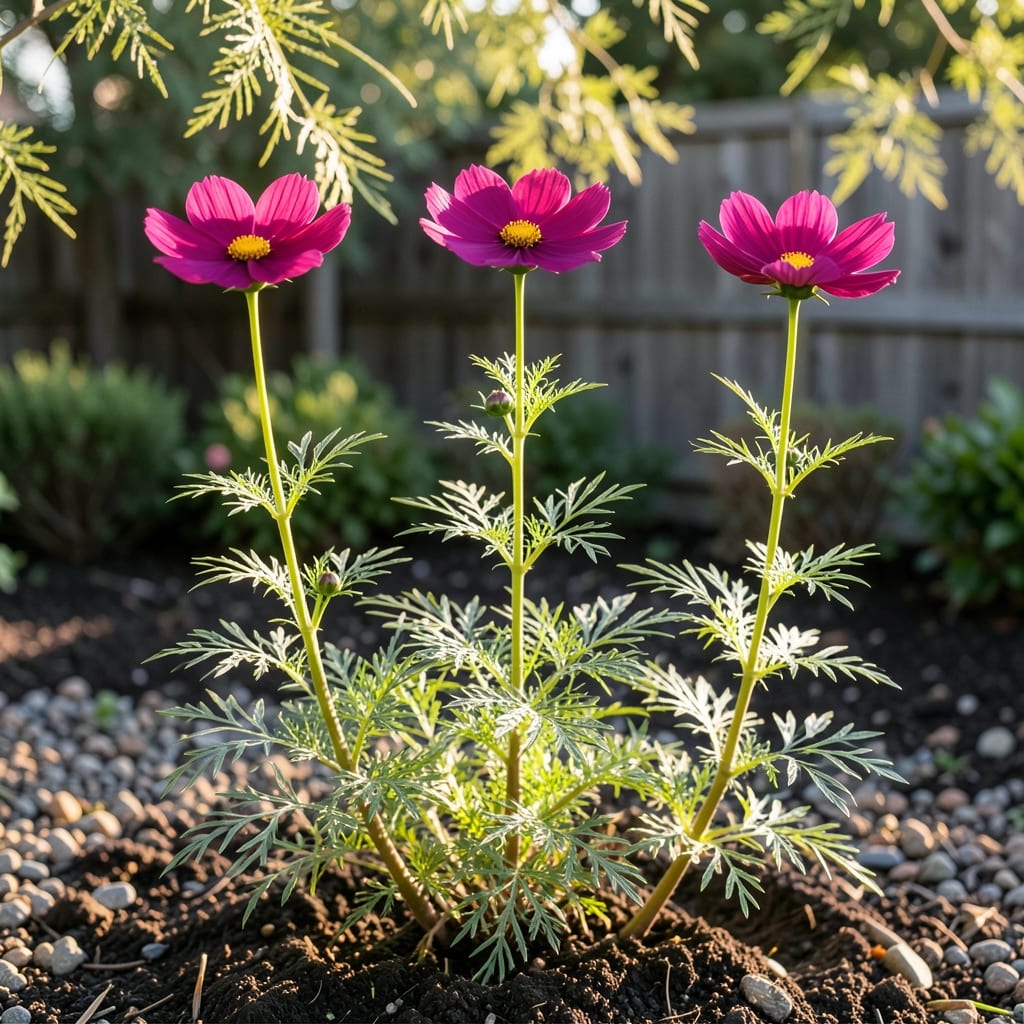
If you're wondering how tall cosmos can grow, you're in for a pleasant surprise—these cheerful, 🌸-adorned plants can reach heights from just 1 foot to over 6 feet, depending on the variety and care you provide. Whether you're planning a wildflower meadow or a compact container garden, knowing the right cosmos height will help you choose the perfect fit for your space.
Cosmos plants are famous for their low-maintenance nature, but their height potential varies widely. Some dwarf varieties stay under 2 feet, making them ideal for borders or window boxes, while taller types can stretch toward 6 feet—perfect for adding drama to the back of a flowerbed. The key to unlocking their full height lies in selecting the right variety and giving them the ideal growing conditions.
Popular cosmos types like Cosmos bipinnatus often grow between 3 and 5 feet, while Cosmos sulphureus can reach 4 to 6 feet with proper care. If you're aiming for a towering display, you'll need to consider sunlight exposure, soil quality, and even pruning techniques to support their growth. Let’s break down how to maximize their height and keep them thriving.
From choosing the right spot in your garden to understanding when to prune for bushier blooms, this guide will help you get the most out of your cosmos. Whether you're a beginner or a seasoned gardener, you'll learn how to nurture these vibrant flowers to their fullest potential—so you can enjoy their stunning beauty all season long.


Cosmos height by variety: exact growth expectations for popular types
Choosing the right cosmos variety is the first step to achieving your dream garden height. Cosmos plants come in a stunning range of heights, from dwarf varieties under 2 feet to tall giants reaching 6 feet. Each type has unique characteristics that make it perfect for specific garden designs, whether you're filling a window box or creating a dramatic backdrop.
The most popular cosmos type, Cosmos bipinnatus, typically grows between 3 and 5 feet tall, making it a versatile choice for many gardeners. This variety is beloved for its vibrant pink, white, and magenta blooms that attract butterflies and bees. If you're aiming for a bold vertical statement, look to Cosmos sulphureus, which can stretch up to 6 feet with fiery orange, yellow, or red flowers.
For smaller spaces, consider dwarf cosmos varieties like 'Purity' or 'Bright Lights,' which stay between 1 and 2 feet tall. These are perfect for container gardening or edging flowerbeds. Meanwhile, Cosmos atrosanguineus, also known as the red cosmos, grows around 4 to 5 feet and produces deep burgundy blooms that add a striking contrast to any garden.
Understanding the spread of each variety is just as important as height. Most cosmos plants have a spreading habit of 1 to 3 feet, which means they'll need space to avoid overcrowding. Taller varieties like Cosmos sulphureus often have a wider spread of 2 to 3 feet, so they're best planted in the back of borders or as focal points in larger garden areas.
Here’s a quick comparison of the most popular cosmos varieties and their typical heights to help you plan your garden layout:
| Variety | Height Range | Spread | Best For | Bloom Color |
|---|---|---|---|---|
| Cosmos bipinnatus | 3–5 ft | 1–2 ft | Borders, cut flowers | Pink, white, magenta |
| Cosmos sulphureus | 4–6 ft | 2–3 ft | Back of beds, focal points | Orange, yellow, red |
| Cosmos atrosanguineus | 4–5 ft | 1–2 ft | Dramatic accents, containers | Deep burgundy |
| Dwarf varieties (e.g., 'Purity') | 1–2 ft | 1 ft | Window boxes, containers | White, pink |
When selecting cosmos for your garden, think about the maturity timeline as well. Most cosmos varieties grow quickly, reaching their full height in just 60 to 75 days from planting. This makes them ideal for fast-growing garden displays or filling gaps in your landscape. If you're planting cosmos in containers, choose dwarf varieties to avoid overcrowding and ensure they have enough room to thrive.
For gardeners in cooler climates, cosmos can be biennial or perennial, meaning they may return the following year and grow even taller—up to 6 feet in their second year. This makes them a great investment for long-term garden planning. Just be sure to mulch around the base in winter to protect the roots and encourage robust growth the next season.
If you're aiming for a wildflower meadow look, mix tall and short cosmos varieties together. The taller types like Cosmos sulphureus will create a natural backdrop, while dwarf varieties can spill over edges for a soft, cascading effect. This layered approach not only maximizes height variation but also attracts a wider variety of pollinators to your garden.
Whether you're a fan of classic pink cosmos or bold orange blooms, choosing the right variety is the foundation for achieving the perfect height in your garden. Once you've picked your plants, the next step is optimizing their growing conditions to help them reach their full potential—something we'll cover in the next section.
How to maximize cosmos height: soil, sunlight, and pruning tips
Once you've chosen your cosmos variety, the next step is creating the perfect growing conditions to help them reach their maximum height potential. Cosmos thrive when given the right balance of sunlight, well-draining soil, and proper care. With these elements in place, even dwarf varieties can grow slightly taller, while tall types like Cosmos sulphureus can reach their impressive 6-foot height. Let’s dive into the key factors that influence cosmos growth and how to optimize them for height.
Sunlight is the most critical factor for encouraging tall cosmos growth. These plants are sun-lovers and require at least 6 to 8 hours of direct sunlight daily. When planted in full sun conditions, cosmos will grow taller and produce more abundant blooms. If you notice your cosmos staying short or leggy, it’s likely a sign they need more sunlight. Consider moving them to a sunnier spot or adding a reflective surface nearby to maximize light exposure.
Here are the top strategies to maximize cosmos height, from soil prep to pruning techniques:
- 🌱 Soil Prep: Cosmos prefer well-draining, slightly alkaline soil with a pH between 6.0 and 7.5. Amend heavy or clay soil with compost or sand to improve drainage. Avoid waterlogged soil, as it can stunt growth and lead to root rot.
- ☀️ Sunlight: Plant cosmos in the sunniest spot available in your garden. South-facing locations are ideal for maximizing height. If your garden lacks full sun, consider using grow lights for indoor containers.
- 💧 Watering: While cosmos are drought-tolerant, consistent moisture during the first 4 weeks of growth encourages stronger stems. Water deeply but infrequently to prevent shallow root systems, which can weaken tall varieties.
- ✂️ Pruning: Regular pruning promotes bushier growth and taller stems. Pinch back the tips of young plants to encourage branching. For taller varieties, prune spent blooms to redirect energy to stem growth rather than seed production.
- 🪴 Support: Taller cosmos like Cosmos sulphureus may need staking or trellises in windy areas. Use soft ties or cages to support stems without damaging them.
One common mistake that limits cosmos height is over-fertilizing with high-nitrogen fertilizers. While cosmos benefit from a balanced fertilizer (5-10-10), too much nitrogen can lead to leafy growth at the expense of height. Instead, focus on a light feeding schedule—apply fertilizer every 4 to 6 weeks during the growing season to support steady, upward growth.
For gardeners in cooler climates, extending the growing season can help cosmos reach their full height. Plant seeds in late spring after the last frost, and consider using row covers to protect young plants from late frosts. In containers, choose larger pots (at least 12 inches deep) to accommodate deeper root systems, which support taller growth.
If you're growing cosmos for cut flowers, focus on the tallest varieties like Cosmos sulphureus or Cosmos bipinnatus. To encourage even taller stems, harvest flowers in the early morning when stems are fully hydrated. This not only supports height but also extends the vase life of your cut blooms.
With the right care, your cosmos can grow to their full height potential, creating a stunning vertical display in your garden. Next, we’ll explore the best times and places to plant cosmos for optimal height development, so you can plan your garden layout with confidence.