
Trees
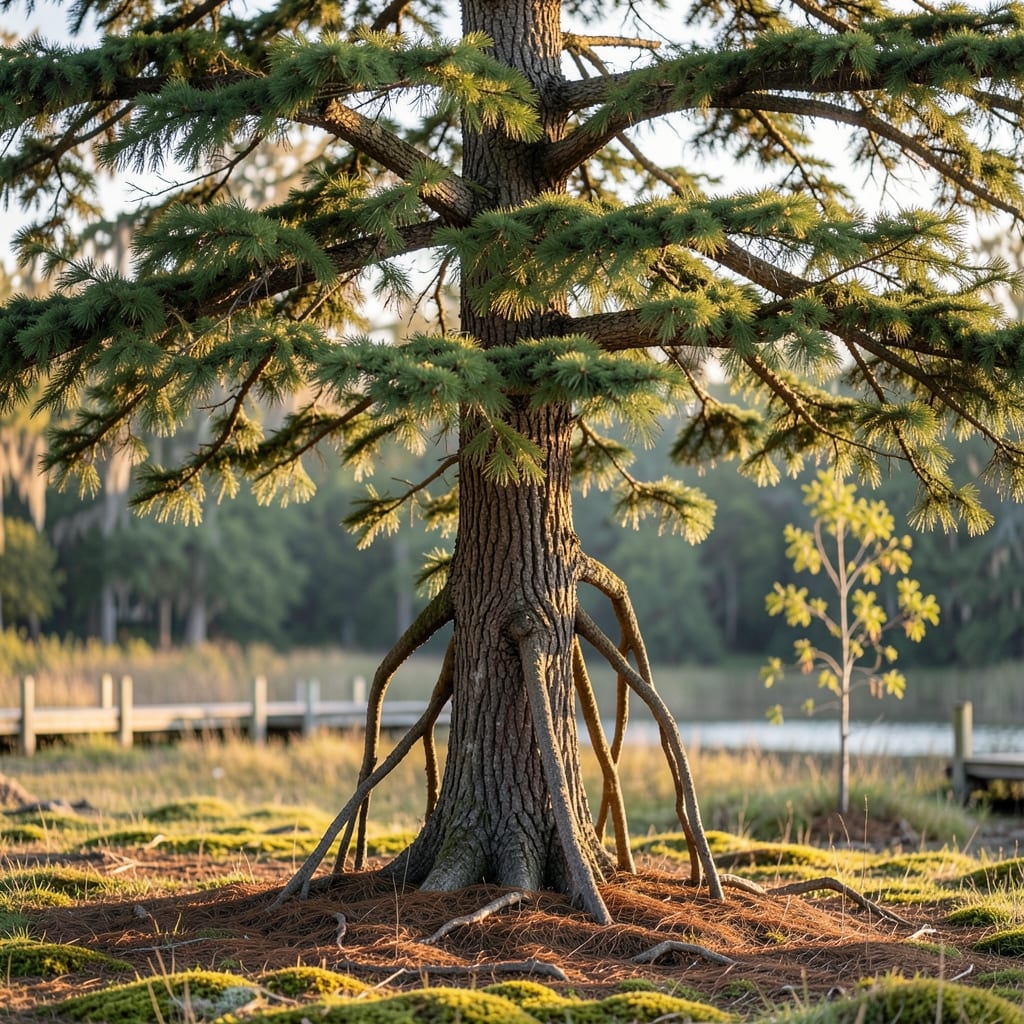
If you’ve ever dreamed of a towering 🌲 Cypress Tree that adds drama to your landscape, you’ll be amazed to learn how tall can cypress trees grow—some species can reach heights of a 3-story building or more, with mature specimens soaring to 75 feet or beyond! But before you plant one, it’s worth knowing which varieties suit your space and how to encourage (or control) their impressive growth.
Not all cypress trees are giants—some stay compact, making them perfect for small gardens, while others shoot up quickly, ideal for privacy screens or bold focal points. Whether you’re in USDA Zone 6a or a warmer climate, understanding their mature heights helps you plan spacing and pruning strategies from day one.
Leyland cypresses, for example, are fast growers that can add 3–5 feet per year, while Monterey cypresses mature more slowly but still reach 30–50 feet. The key to managing their height lies in soil, sunlight, and pruning—all of which we’ll break down to help you get the look you want without losing control.
Ready to learn which cypress fits your yard—and how to keep it thriving? Let’s dive into the details so you can plant with confidence, whether you’re aiming for a sky-high statement tree or a neatly trimmed accent piece.


Cypress tree height by species: from dwarf varieties to towering giants
Cypress trees are famous for their striking shapes and towering heights, but not all species grow to the same stature. The Leyland Cypress, for example, is a fast-growing giant that can reach 60–75 feet in ideal conditions, while the Bald Cypress typically tops out at 50–70 feet. If you’re working with limited space, dwarf varieties like 'Nana' or 'Little Gem' stay under 20 feet, making them perfect for small yards.
Understanding these height differences helps you choose the right cypress for your landscape. Whether you need a privacy screen, a focal point, or a compact accent tree, the species you pick will determine how much space you’ll need to allocate—and how much pruning you’ll need to manage its growth over time.
Let’s break down the mature heights and growth rates of the most popular cypress species to help you plan your planting strategy with confidence.
| Species | Mature Height | Growth Rate | Ideal Spacing | Best For |
|---|---|---|---|---|
| Leyland Cypress | 60–75 ft | 3–5 ft/year | 15–20 ft from structures | Privacy screens, bold statements |
| Bald Cypress | 50–70 ft | 2–3 ft/year | 20–25 ft from buildings | Swampy areas, large landscapes |
| Monterey Cypress | 30–50 ft | 1–2 ft/year | 10–15 ft from structures | Coastal gardens, small yards |
| Arizona Cypress | 40–60 ft | 2–4 ft/year | 15–20 ft from structures | Arid climates, desert landscapes |
| 'Nana' or 'Little Gem' | 10–20 ft | 6–12 inches/year | 5–10 ft from structures | Small gardens, containers |
The Leyland Cypress is the fastest grower, making it ideal for quick privacy solutions, but its rapid growth means you’ll need to plan for regular pruning to keep it manageable. Meanwhile, the Monterey Cypress grows more slowly, offering a compact yet elegant option for smaller spaces without sacrificing height.
For those in USDA Zones 6–10, the Arizona Cypress thrives in dry climates, reaching 40–60 feet while requiring minimal water once established. If you’re in a coastal area, the Monterey Cypress is a standout choice, with its salt-tolerant foliage and striking blue-green needles.
When planting, always check your local frost dates and soil drainage—cypress trees hate soggy roots. In Zone 6a, for example, you’ll want to plant in early spring (April–May) to give roots time to establish before winter.
If you’re unsure which cypress fits your yard, consider starting with a smaller variety like 'Little Gem' to test the waters before committing to a towering giant. This way, you can gauge your pruning skills and space needs before investing in a 75-foot monster!
Remember, even the tallest cypress trees start small. With the right species and care, you can grow a stunning focal point that adds value and beauty to your landscape for decades.
Best cypress tree varieties for small yards vs. large landscapes
Choosing the right cypress tree depends entirely on your space—whether you’re working with a cozy small backyard or a sprawling large landscape. For tight spaces, dwarf varieties like 'Little Gem' or 'Nana' cypress stay under 20 feet, making them perfect for containers or narrow gardens. Meanwhile, fast-growing giants like the Leyland Cypress can shoot up to 75 feet, ideal for privacy screens or dramatic focal points in expansive yards.
If you’re unsure which fits your space, consider this rule of thumb: compact cypresses thrive in 5–10 feet of clearance, while towering varieties need 15–25 feet of room to avoid crowding structures or power lines. Let’s explore the best options for every yard size so you can plant with confidence.
🌱 Small Yards
- ✅ Height: 10–20 ft
- ✅ Growth Rate: Slow (6–12 in/year)
- ✅ Best For: Containers, tight spaces
- ✅ Spacing: 5–10 ft from structures
- ✅ Examples: 'Little Gem', 'Nana'
🌲 Large Landscapes
- ✅ Height: 40–75 ft
- ✅ Growth Rate: Fast (2–5 ft/year)
- ✅ Best For: Privacy screens, bold statements
- ✅ Spacing: 15–25 ft from structures
- ✅ Examples: Leyland, Bald, Arizona
🌊 Coastal Areas
- ✅ Height: 30–50 ft
- ✅ Growth Rate: Moderate (1–2 ft/year)
- ✅ Best For: Salt-tolerant gardens
- ✅ Spacing: 10–15 ft from structures
- ✅ Examples: Monterey Cypress
The Monterey Cypress is a standout for coastal gardens, thriving in salty air while reaching 30–50 feet—perfect for adding height without overwhelming smaller yards. Its blue-green needles and compact growth habit make it a favorite for beachside homes and urban courtyards.
For arid climates, the Arizona Cypress is a drought-tolerant powerhouse, growing 40–60 feet with minimal water once established. Its needle-like foliage and fast growth rate make it ideal for desert landscapes where other trees struggle.
If you’re torn between a small cypress and a giant, consider starting with a 'Little Gem' in a container. You can always transplant it later if it outgrows your space—or keep it as a portable privacy screen that you can move as needed.
No matter your yard size, the key to success is proper spacing and pruning. A Leyland Cypress planted too close to a fence will quickly become a tangled mess, while a 'Nana' cypress left unpruned may lose its compact shape over time. Plan ahead, and your cypress will thrive for decades.