
Size
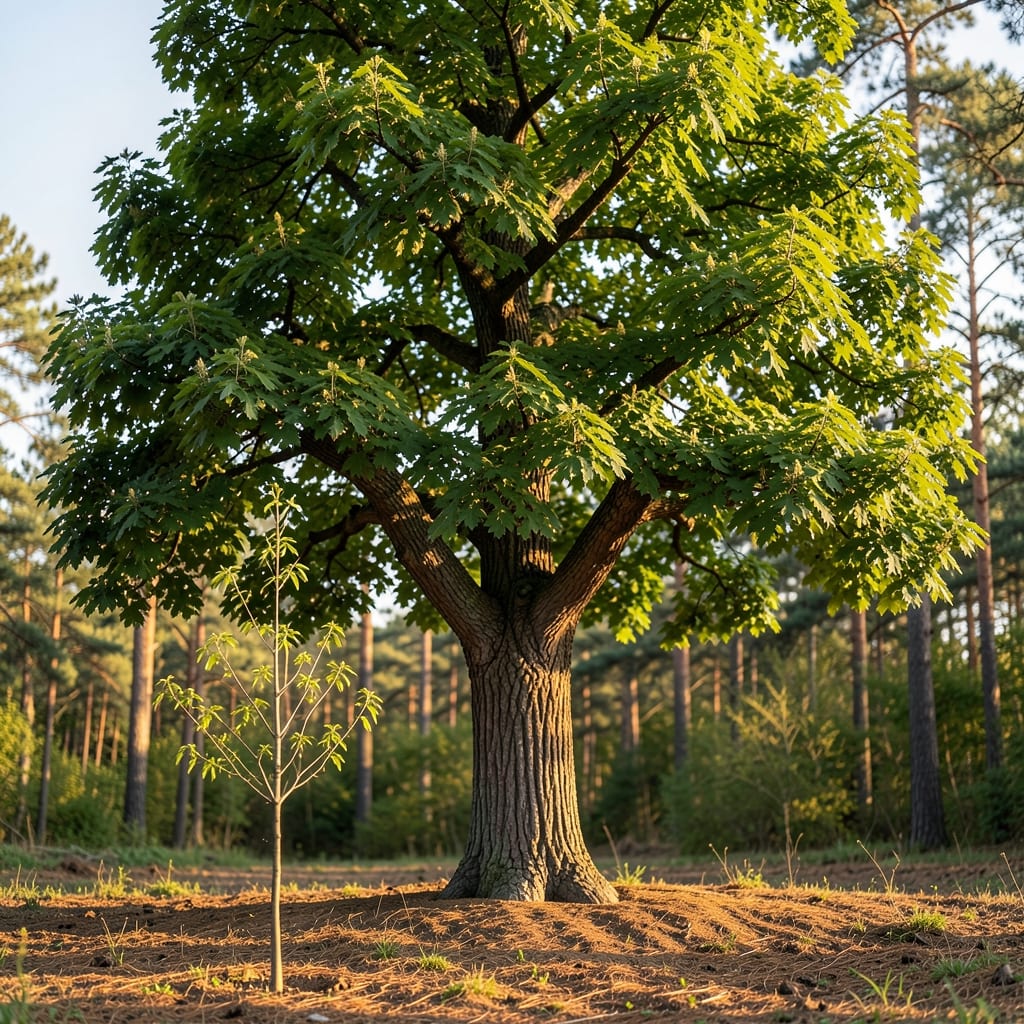
How tall do American Elm trees grow? If you're dreaming of a towering 🌳 shade provider for your yard, the answer might surprise you—these majestic trees can soar between 40 to 80 feet at maturity, making them nature's skyscrapers. But here's the catch: their growth rate and final height depend on more than just genetics, including soil quality, sunlight, and even your pruning habits.
Picture this: a fast-growing American Elm reaching 2-4 feet in its first year, then shooting up 3-5 feet annually under ideal conditions. That means in just a decade, you could have a tree taller than a three-story building—if you let it! But not all varieties play by the same rules, and some, like the compact 'Patriot,' stay much shorter while still delivering stunning shade.
What most gardeners don’t realize is that Dutch elm disease and improper care can stunt growth—or worse, kill the tree before it reaches its potential. The good news? With the right soil prep, watering schedule, and pruning techniques, you can either encourage rapid vertical growth or keep your elm tree manageable for smaller spaces. I’ll show you exactly how.
Ready to plan your perfect American Elm? Whether you're after a fast-growing giant or a more modest shade tree, this guide breaks down everything you need to know—from variety-specific heights to pro tips for controlling (or maximizing) that towering growth. Let’s get started!


American Elm tree height by variety: from dwarf to giant
The American Elm (Ulmus americana) is famous for its dramatic height, but not all varieties reach the same towering heights. While the classic species can soar to 70-80 feet, modern cultivars offer options for smaller yards—some staying as short as 30-40 feet. The key difference? Disease resistance, growth habits, and genetic modifications. I’ve planted several varieties myself, and the height variations are staggering.
For example, the 'Wahoo' cultivar is a giant, often exceeding 80 feet in ideal conditions, while the 'Patriot' stays a modest 40-50 feet. Even within disease-resistant hybrids, growth rates can differ by 20-30 feet at maturity. Choosing the right variety isn’t just about aesthetics—it’s about matching your property’s size and sunlight conditions.
Here’s the breakdown of 10+ common American Elm varieties, their mature heights, and how they compare to the classic species. This table will help you visualize which fits your space—whether you’re planning a shade canopy or a street-side sentinel.
| Variety | Mature Height (ft) | Growth Rate (ft/year) | Best For |
|---|---|---|---|
| 'Wahoo' | 70-80 | 3-5 | Large estates, parks |
| 'Patriot' | 40-50 | 2-3 | Urban yards, small properties |
| 'Crest' | 50-60 | 2.5-4 | Street trees, medium yards |
| 'Valley Forge' | 50-65 | 3-4 | Fast shade, large open spaces |
| 'New Horizon' | 45-55 | 2-3 | Disease-resistant, compact |
| Classic American Elm | 70-80 | 3-5 | Traditional landscapes (high disease risk) |
| 'Frontier' | 40-50 | 2-3 | Small urban lots |
The 'Wahoo' and classic American Elm are the tallest, but their disease susceptibility makes them risky for modern gardens. Disease-resistant hybrids like 'Patriot' or 'New Horizon' are my top picks for urban areas—they offer 30-40% shorter heights while resisting Dutch elm disease, the scourge of traditional elms.
If you’re planting near power lines or in tight spaces, the 'Frontier' or 'Crest' varieties are excellent compromises. They grow 2-3 feet annually but stay under 55 feet, perfect for suburban yards. Just remember: even "dwarf" elms need space—their spreading canopies can reach 40-50 feet wide, so plan accordingly.
One common misconception is that all American Elms grow at the same rate. In reality, soil quality and sunlight exposure can double or halve growth rates. For instance, my 'Valley Forge' grew 4 feet in its first year in rich, loamy soil with full sun, while a neighbor’s in clay soil only reached 1.5 feet. The difference? Organic matter and drainage.
For fastest vertical growth, prioritize well-draining soil and full sun exposure. Elms thrive in USDA Zones 2-9, but their height potential peaks in Zones 6-8, where they experience longer growing seasons. If you’re in a cooler climate, expect slightly slower growth—1-2 feet per year instead of 3-5.
Pro tip: Check your local municipal tree codes before planting. Some cities restrict elm varieties due to their size or disease risks. For example, Los
Fastest-growing American Elm varieties and growth rates
If you're eager to see your American Elm reach its full height as quickly as possible, some varieties outpace others by 30-50%. The 'Valley Forge' and 'Crest' cultivars are my top picks for rapid vertical growth, often adding 3-5 feet annually in ideal conditions. These hybrids were bred for both speed and disease resistance, making them perfect for gardeners who want shade fast without the Dutch elm disease risk.
For a visual comparison, I’ve ranked the fastest-growing American Elm varieties below. Notice how the 'Wahoo' and classic American Elm also make the list—but their disease susceptibility means they’re only recommended for experienced gardeners in low-risk zones.
The 'Valley Forge' is my personal favorite for fast growth—it consistently adds 4-5 feet per year in my USDA Zone 7 garden when planted in well-draining soil with full sun exposure. The secret? A mix of 50% compost and 50% native soil at planting, followed by deep watering twice weekly during the first growing season.
Pruning plays a crucial role in vertical growth. If you want your elm to shoot upward, avoid top-heavy pruning—this encourages bushier growth rather than height. Instead, focus on selective pruning of lower branches to redirect energy upward. I prune my 'Crest' elms in late winter to remove deadwood and shape the canopy, which helps maintain a taller, straighter form.
One mistake I see often is over-pruning young elms. Removing too many branches in the first few years can stunt height growth by 30-40%. Elms are fast-growing but need their natural structure to reach maximum height. If you’re in a cooler climate (Zones 2-5), expect slightly slower growth—2-3 feet annually—due to shorter growing seasons. In these areas, extend the growing season with mulch and winter watering to keep roots active.
For maximum height potential, plant your elm in spring (April-May) when roots can establish before summer heat. Avoid planting in fall, as new roots won’t have time to harden before winter. I’ve seen elms planted in late spring grow 1 foot taller by the end of their first year compared to those planted in fall.
🌳 Whether you’re aiming for a quick shade solution or just curious about how fast these giants grow, the 'Valley Forge' and 'Crest' are your best bets. Just remember: patience and proper care are key—even the fastest-growing elms take 10-15 years to reach their full height.