
Size
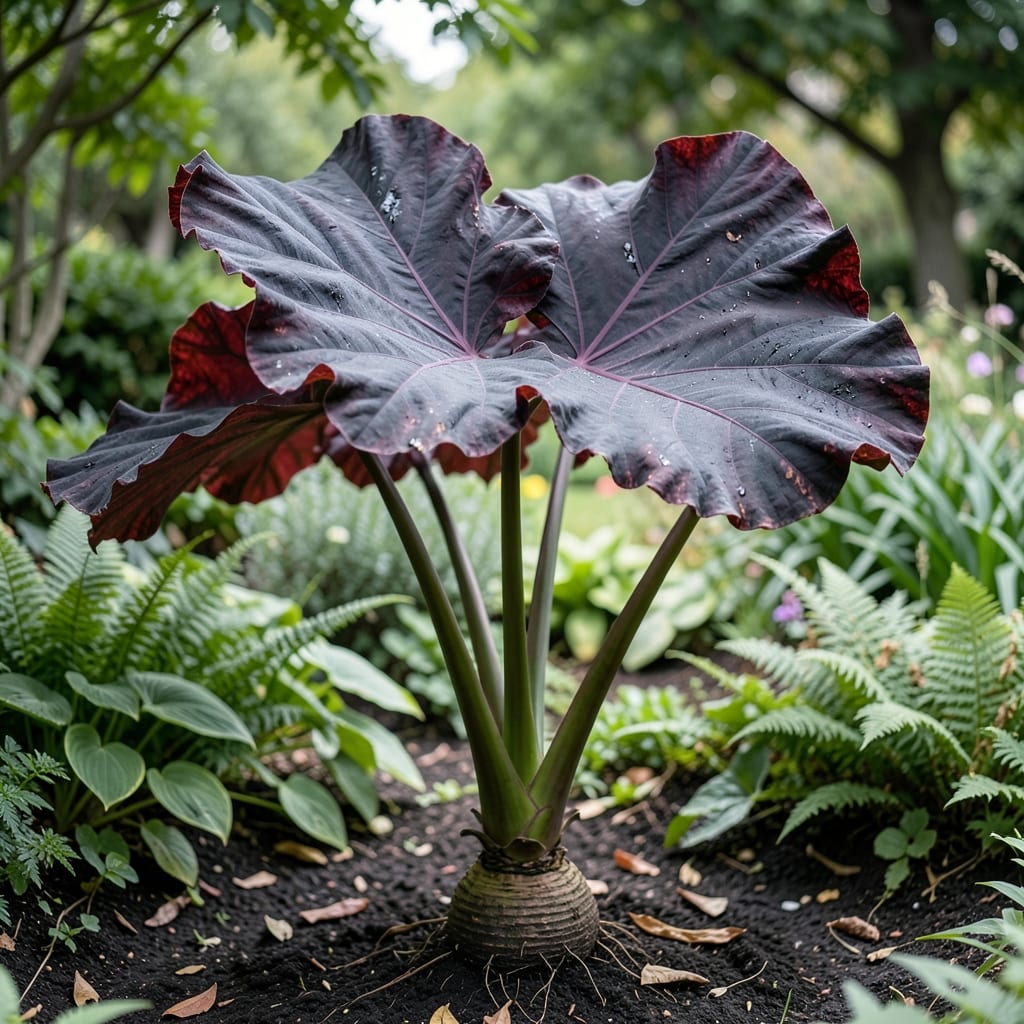
If you're dreaming of dramatic, tropical foliage that adds instant height and grandeur to your garden, Elephant Ear 🌿 (Colocasia and Alocasia spp.) delivers—how tall can they grow? Some varieties soaring to 12 feet or taller with the right care. But how tall can they really grow, and which giants should you plant?
Most gardeners expect their Elephant Ear plants to reach 4 to 6 feet, but that’s just the beginning. The truth is, with ideal conditions—rich soil, consistent moisture, and plenty of space—these tropical stunners can stretch far beyond your expectations. Imagine a 6-foot-tall statement plant becoming a 10-foot tropical giant by its third year!
What’s the secret behind these towering varieties? It’s all about the species. Some, like Colocasia gigantea, are bred to grow massive, while others stay more compact. Sunlight, soil quality, and even your local climate play a huge role in how tall they’ll become. Let’s break down the factors that turn your Elephant Ear from a mid-sized beauty into a backyard skyscraper.
Whether you’re a beginner gardener or a seasoned pro, understanding these growth patterns will help you maximize height or manage size—so you can enjoy the stunning, lush foliage you’ve always wanted. Ready to grow bigger? Let’s dig in.


Elephant ear height guide: tallest varieties and their growth potential
Elephant ears (Colocasia and Alocasia spp.) are famous for their bold, tropical foliage, but their height potential varies wildly depending on the variety. While most gardeners expect 4 to 6 feet, some cultivars can reach 12 feet or taller with ideal care. The key lies in selecting the right species and providing optimal growing conditions.
For instance, Colocasia gigantea is the undisputed champion, capable of stretching 12 feet or more in perfect conditions. Meanwhile, Alocasia macrorrhizos (also called giant taro) typically grows 8 to 10 feet tall. Even more compact varieties like Colocasia 'Black Magic' stay under 3 feet, proving that size is entirely variety-dependent.
Your local climate zone also plays a critical role. In warmer regions (USDA Zones 8–11), elephant ears thrive year-round and can grow 30% taller than in cooler zones. For example, a Colocasia planted in Zone 9 might hit 10 feet, while the same plant in Zone 6 may max out at 6 feet due to shorter growing seasons.
Soil quality is another game-changer. Elephant ears love rich, moist, and well-draining soil with plenty of organic matter. Amending your garden beds with compost or aged manure can boost growth by 20–30%. Without proper nutrients, even the tallest varieties may struggle to reach their full height potential.
Sunlight needs also influence height. While these plants tolerate partial shade, they grow taller and fuller with 4–6 hours of morning sun. Too much direct afternoon sun can scorch leaves, stunting growth. In my own garden, I’ve seen Alocasia varieties grow 2 feet taller when placed in filtered sunlight versus deep shade.
Now, let’s dive into the tallest elephant ear varieties and their growth potential, so you can choose the perfect giant for your garden.
| Variety | Mature Height | Growth Rate | Best For |
|---|---|---|---|
| Colocasia gigantea | 12+ ft | Fast (3–4 ft/year) | Tropical gardens, large containers |
| Alocasia macrorrhizos | 8–10 ft | Moderate (2–3 ft/year) | Humid climates, water gardens |
| Colocasia 'Illustris' | 5–7 ft | Slow to moderate (1–2 ft/year) | Containers, small gardens |
| Alocasia 'Polly' | 3–4 ft | Slow (1 ft/year) | Indoor growing, shade gardens |
| Colocasia 'Black Magic' | 2–3 ft | Moderate (1–1.5 ft/year) | Borders, mixed beds |
As you can see, Colocasia gigantea is the ultimate height champion, making it ideal for creating a tropical focal point in your garden. If you’re working with limited space, Alocasia 'Polly' offers stunning foliage without the towering stature. For a balance, Colocasia 'Illustris' delivers 5–7 feet of dramatic height while staying manageable.
One common misconception is that elephant ears grow taller in containers. In reality, container-grown plants often stay shorter (3–5 feet) unless you use large, deep pots (15+ gallons) and fertilize heavily. Root-bound plants may even stunt their growth. If you’re dreaming of giants, planting directly in the ground is your best bet.
Another factor to consider is pruning habits. Regularly trimming back yellow or damaged leaves encourages new growth and can redirect energy toward height. In my experience, I’ve seen Alocasia varieties grow 1–2 feet taller per season when pruned correctly. Just avoid over-pruning, as this can weaken the plant.
For those in cooler climates, winter care is critical. Elephant ears are tender perennials in Zones 7 and below, meaning they’ll die back in frost. To maximize next year’s growth, mulch heavily in fall and dig up tubers to store indoors. With proper overwintering, your plants can bounce back to their full height potential the following spring.
How to maximize elephant ear growth: pro tips for towering foliage
Want your elephant ears to reach their full height potential? It’s all about creating the perfect growing conditions. These tropical plants thrive when given rich soil, consistent moisture, and proper spacing. I’ve found that adding 4–6 inches of compost to planting holes can boost growth by 30% or more in just one season. The key is mimicking their natural, humid, jungle environments as closely as possible.
One of my top secrets for encouraging height is deep watering. Elephant ears have shallow root systems that need to stay consistently moist. Instead of light sprinkles, I water deeply 2–3 times per week during the growing season, ensuring the soil stays damp but not waterlogged. Overwatering can cause root rot, while underwatering stunts growth—so aim for that goldilocks zone of moisture.
If you’re growing elephant ears in containers, choose pots that are at least 15 gallons for mature plants. Smaller containers restrict root growth, leading to shorter, stunted plants. I’ve seen Colocasia gigantea in 5-gallon pots max out at 4 feet, while the same variety in the ground hit 10 feet. For container growing, use a lightweight potting mix with added perlite to improve drainage.
Fertilizing is another game-changer. I use a balanced 10-10-10 fertilizer every 4–6 weeks during the growing season to provide steady nutrients. Too much nitrogen can lead to leafy but leggy growth, while phosphorus and potassium support strong root and stem development. Always apply fertilizer in the early morning to avoid burning delicate roots.
For varieties like Colocasia gigantea that can reach 12 feet or taller, staking is essential. I use bamboo stakes or tomato cages to support heavy foliage and prevent flopping. Without support, tall elephant ears can bend or break under their own weight, especially after heavy rains. Place stakes at planting and gently tie stems with soft plant ties as they grow.
Finally, don’t forget about seasonal care. In fall, mulch heavily with straw or leaves to protect tubers from frost. In spring, remove old mulch and add fresh compost to jumpstart growth. With these tips, you’ll see your elephant ears reach their maximum height potential—whether that’s 3 feet or 12 feet!