
How To
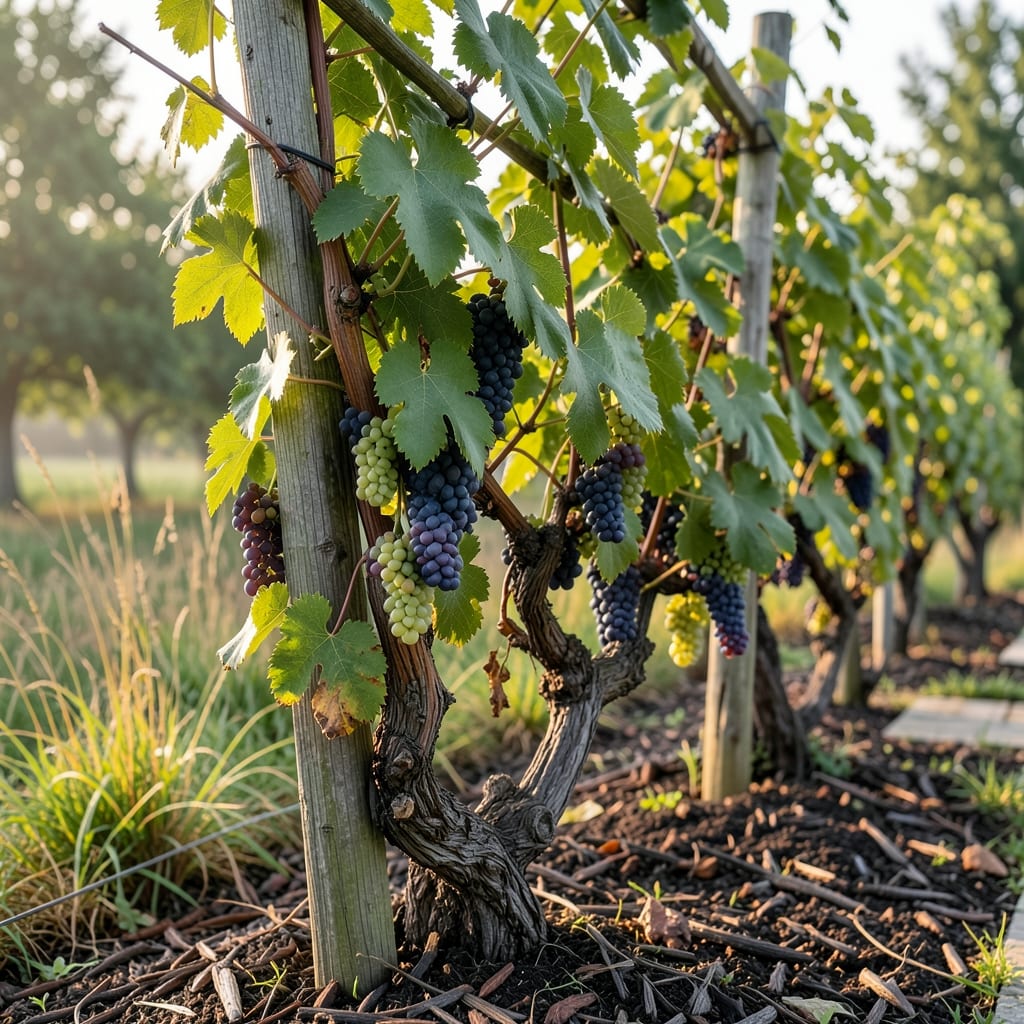
If you’ve ever wondered how tall grape vines can grow, you’re not alone—but their height isn’t just about space. The answer depends on the variety, your climate, and how you train them. Some vines can climb 60 feet or more, while others stay compact, making them perfect for small gardens.
Picture this: a 🍇 grape vine sprawling across a trellis, its leaves filtering sunlight while heavy clusters of fruit hang within arm’s reach. Whether you’re in USDA Zone 6a or a warmer region, understanding these growth patterns is key to maximizing your harvest without losing control. The right techniques can turn an unruly vine into a structured, productive feature.
But here’s the catch: without proper pruning or support, even the most manageable varieties can become unruly giants. I’ll break down the science behind vine heights—from dwarf types that stay under 12 feet to sprawling giants that need a 3-story building to match. You’ll also discover how climate, soil, and training methods play a role in shaping your vine’s future.
Ready to turn your grape-growing dreams into reality? Let’s explore how to harness this growth—so your vines thrive without taking over your yard. By the end, you’ll know exactly how to balance ambition and control for the perfect harvest.

Grape vine height by variety and climate: what to expect
Grape vines are legendary for their impressive vertical growth, but their height depends heavily on the variety and climate you're growing in. Without proper training, some vines can reach 60 feet or taller, dwarfing even the tallest backyard trees. Understanding these factors helps you plan your garden layout and support systems effectively.
In temperate climates like USDA Zones 5-8, grape vines thrive with structured pruning and trellising, typically maturing between 15-30 feet when properly managed. However, in warmer climates like Zones 9-11, varieties like Thompson Seedless can grow aggressively, reaching 40+ feet without intervention. Let’s break down what to expect for popular varieties.
| Variety | Climate Zone | Mature Height | Growth Rate (Annual) | Notes |
|---|---|---|---|---|
| Thompson Seedless | Zones 7-11 | 40-60 ft | 10-15 ft/year | Fast-growing; needs strong trellis |
| Concord | Zones 4-9 | 25-40 ft | 8-12 ft/year | Cold-hardy; slower growth |
| Muscadine | Zones 7-10 | 30-50 ft | 12-18 ft/year | Heat-tolerant; thick vines |
| Cabernet Sauvignon | Zones 6-10 | 20-35 ft | 6-10 ft/year | Moderate growth; needs pruning |
| Chardonnay | Zones 5-9 | 15-25 ft | 5-8 ft/year | Compact; good for small gardens |
If you're in a cooler climate like Zones 4-6, varieties like Concord or Niagara are excellent choices because they naturally grow shorter (15-25 feet) and are more cold-resistant. In contrast, tropical climates (Zones 10-11) allow varieties like Red Globe to grow uncontrolled if not pruned, often exceeding 50 feet in just a few years.
Another critical factor is the vine’s age. Young grapevines grow slowly—expect only 5-10 feet in their first year—but by year three, they can surge to 25-40 feet if left unchecked. This rapid growth is why proper pruning in late winter is essential to direct energy toward fruit production rather than excessive height.
For gardeners in urban areas with limited space, dwarf varieties like Flame Seedless (mature height: 8-12 feet) are perfect for container growing or small trellises. These varieties still produce abundant fruit but stay manageable for balconies or patios. Just ensure they get full sun (6+ hours daily) to prevent stunted growth.
Climate also affects how aggressively grape vines spread horizontally. In arid regions, vines may grow taller but produce longer canes to access moisture, while in humid climates, they focus energy on vertical growth to escape ground-level dampness. This is why trellising systems must be tailored to your local conditions.
One common misconception is that all grape vines need to climb. While many varieties thrive on trellises or arbors, some, like Muscadine, grow well as ground covers but can still reach 30+ feet if unpruned. Always research your specific variety’s growth habits before planting to avoid surprises.
For maximum yield, aim to keep vines at a height where you can easily harvest and prune—typically 15-25 feet for most varieties. This balance ensures you can maintain the vine’s health while enjoying a bountiful harvest without a ladder every time you check on it.
🍇
Grape vine height by variety and climate: what to expect
Grape vines are legendary for their vertical ambition, but their maximum height depends heavily on the variety and climate. Without proper training, some vines can reach 60 feet—taller than most backyard fences! However, with the right pruning and support systems, you can control their growth to fit even small spaces.
In tropical climates, grape vines like Muscadine thrive year-round and can grow aggressively, often exceeding 30 feet without intervention. Meanwhile, temperate zones (USDA Zones 5-9) see Concord and Thompson Seedless varieties reaching 20-40 feet when left unchecked. Arid regions may stunt growth slightly, but water access can push vines toward their full potential.
| Variety | Climate Zone | Max Height (Untrained) | Trained Height |
|---|---|---|---|
| Muscadine | Tropical (Zones 7-10) | 40-60 ft | 15-25 ft (arbor) |
| Concord | Temperate (Zones 5-9) | 20-40 ft | 10-15 ft (trellis) |
| Thompson Seedless | Arid/Temperate (Zones 6-11) | 30-50 ft | 8-12 ft (espalier) |
| Niagara | Cool Temperate (Zones 4-8) | 15-25 ft | 6-10 ft (fan training) |
If you're growing grape vines in containers, expect dwarf varieties like Thompson Seedless to max out at 8-12 feet with proper pruning. However, even container-grown vines need strong trellis support to prevent breakage from their own weight. In urban gardens, many growers use vertical trellises or arbor systems to keep vines under 15 feet while maximizing fruit production.
Climate plays a surprising role—cooler regions often see slower vine growth, while warm climates can push vines to their limits. For example, Muscadine grapes in Florida may double in height compared to the same variety in Zone 7. Always check your USDA zone and local microclimate before planting to set realistic height expectations.
One misconception is that older vines grow taller every year. In reality, their lateral spread increases more than their height after the first 3-5 years. Proper winter pruning can reset growth patterns, keeping vines at a manageable 10-20 feet even in ideal conditions. This is why annual pruning is non-negotiable for backyard growers.
For first-time grape growers, I recommend starting with dwarf or semi-dwarf varieties like Thompson Seedless or Concord—they’re forgiving and easier to manage. Pair them with a 3-4 foot tall trellis to begin with, then expand as you gain confidence. Your grape vine’s height isn’t just about genetics; it’s about the care you invest from day one.