
Size
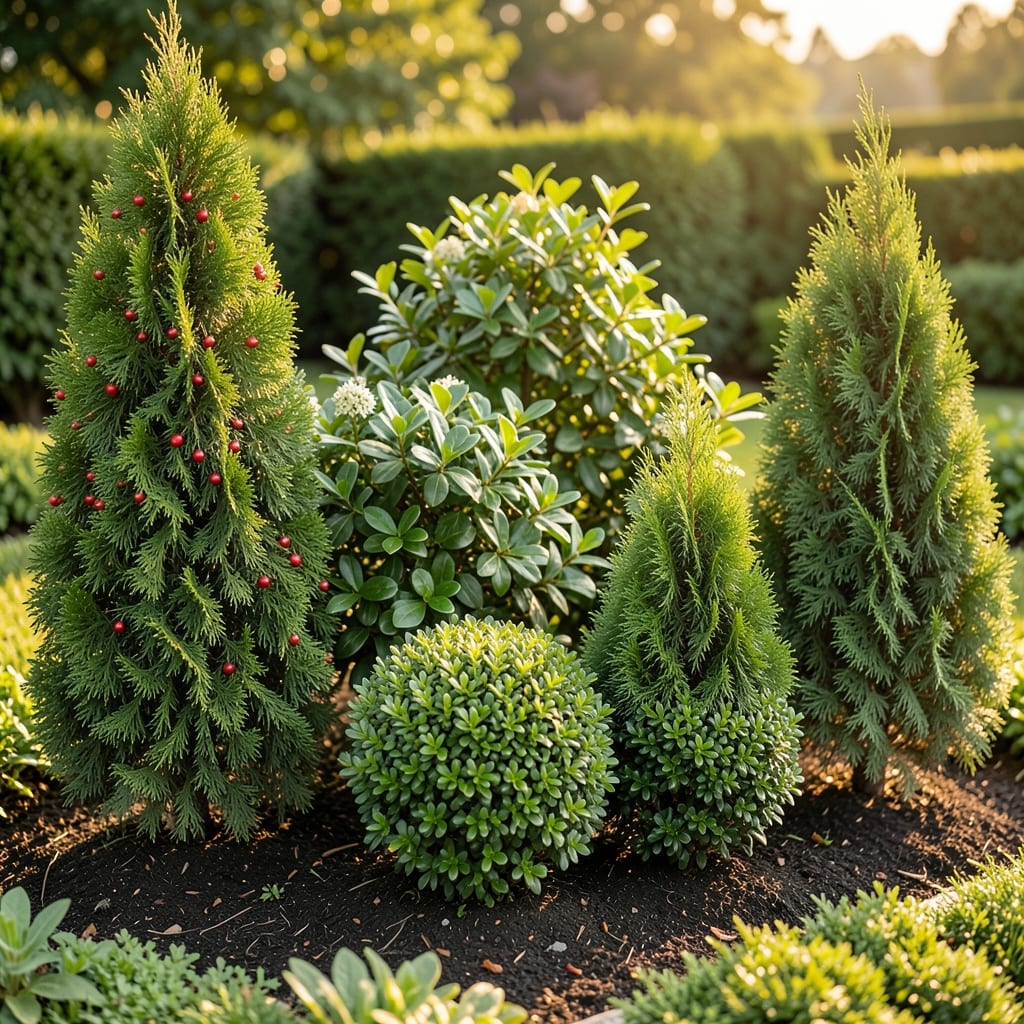
If you’ve ever wondered how tall hedges can grow—whether you’re dreaming of a sky-scraping green wall or frustrated by shrubs that refuse to rise above your ankles—the answer lies in the variety you choose. Some hedges grow like weeds, shooting up 10 feet in just three years, while others take decades to reach their full potential. The right species, paired with smart pruning, can turn your yard into a lush, living privacy wall or a sculpted masterpiece.
Let’s cut through the guesswork: I’ll break down the fastest-growing hedges that can hit 20 feet in no time, plus the slow-and-steady varieties that reward patience with decades of dense, structured growth. Whether you’re craving quick privacy or a meticulously shaped topiary, knowing your hedge’s growth habits is the key to success.
You’ll also discover how sunlight, soil, and seasonal pruning can either supercharge or stunt your hedge’s height. Spoiler: the right timing makes all the difference. Ready to transform your yard with the perfect hedge height? Let’s dive in.
From Leyland Cypress giants to Boxwood dwarfs, we’ll cover it all—so you can stop wondering and start growing with confidence.


Fastest-growing hedges: how tall can they reach in 1-3 years?
If you’re craving quick privacy or a dramatic backyard backdrop, fast-growing hedges are your best bet. Some varieties shoot up 3–5 feet per year, reaching 15–20 feet in just three seasons. The key? Choosing the right species and giving it the ideal growing conditions. Let’s explore the top contenders that turn your yard into a lush green fortress faster than you can say “pruning shears.”
Leyland Cypress and Bamboo are the speed demons of the hedge world, while Willow and Russian Olive offer rapid growth with unique textures. But don’t forget—fast growth means more frequent pruning to keep them in check. I’ll share how to harness their speed without sacrificing shape or health.
Before we dive in, here’s a quick reality check: fast growth = higher maintenance. These hedges thrive on nutrients, water, and regular trims. But if you’re patient and diligent, the payoff is a towering, dense hedge in record time. Ready to see which varieties make the cut?
| Hedge Variety | Growth Rate | Mature Height | Best For | Care Tips |
|---|---|---|---|---|
| Leyland Cypress | 3–4 ft/year | 40–60 ft (but pruned to 15–20 ft) | Privacy screens, windbreaks | Full sun, well-drained soil, prune twice/year |
| Bamboo (Running Types) | 5–7 ft/year | 20–30 ft (contained with barriers) | Fast privacy, natural fencing | Partial shade, rich soil, contain rhizomes |
| Willow (Weeping Types) | 2–3 ft/year | 15–25 ft | Ornamental accents, water features | Full sun, moist soil, prune annually |
| Russian Olive | 3–5 ft/year | 20–30 ft | Drought-resistant privacy | Full sun, dry soil, minimal pruning |
| Green Giant Arborvitae | 3–4 ft/year | 30–40 ft (pruned to 12–15 ft) | Year-round privacy, wildlife habitat | Full sun, moist soil, prune lightly |
🌱 Fastest Growth = Fastest Results (But More Pruning!)
Leyland Cypress is the gold standard for fast-growing hedges, especially in USDA Zones 6–10. It’s a hybrid powerhouse, combining the hardiness of Alaska Cedar with the growth rate of Monterey Cypress. In ideal conditions, it can add 3–4 feet per year, making it perfect for quick privacy solutions. Just be warned: it’s not drought-tolerant, so consistent watering is a must.
Bamboo, on the other hand, is the undisputed speed champion. Running bamboo varieties like Phyllostachys aureosulcata can grow 5–7 feet annually, but they require rhizome barriers to prevent takeover. If you’re okay with a little extra work, bamboo delivers instant height with minimal maintenance once established. It’s also drought-resistant once mature, making it a low-water hero.
Willow hedges are the dramatic showstoppers, with their weeping branches and rapid vertical growth. Varieties like Salix babylonica can reach 15–25 feet in 3 years, but they need moist, fertile soil to thrive. They’re less common as formal hedges but excel as ornamental features near ponds or patios. Just remember: willows are notoriously messy when they drop branches, so prune regularly to keep them tidy.
For drought-prone areas, Russian Olive (Elaeagnus angustifolia) is a game-changer. It grows 3–5 feet per year with almost no water once established. This hedge is tough as nails, tolerating poor soil and extreme heat, but it’s invasive in some regions, so check local regulations before planting. Its silvery foliage adds a unique texture to any landscape.
Green Giant Arborvitae is another top-tier performer, especially for year-round privacy. It grows 3–4 feet annually and holds its shape beautifully, even in winter. Unlike Leyland Cypress, it’s deer-resistant, making it ideal for rural or suburban properties. Plus, it provides wildlife habitat, attracting birds and butterflies. The only downside? It can get too wide if not pruned regularly.
Here’s the kicker: pruning makes or breaks fast growth. If you skip regular trims, your hedge will grow wild and uneven, losing its neat appearance. I recommend pruning twice a year—once in late spring to shape the growth and again in early fall to
Slow-growth hedges: mature heights and patience-paying varieties
If you’re willing to wait for your hedge to mature, slow-growing varieties offer unmatched structure and longevity. These hedges grow just 6–12 inches per year, but their dense foliage and refined shapes make them ideal for formal gardens, topiary, and low-maintenance borders. The trade-off? Decades of growth before reaching their full height—typically 3–15 feet—but the payoff is a hedge that thrives with minimal fuss once established.
My top picks for slow-growth hedges include Boxwood, Holly, and Arborvitae, each with unique textures and growth habits. Boxwood, for example, grows just 6–12 inches annually and can live for centuries with proper care, making it a favorite for hedges under 10 feet. Holly, on the other hand, adds seasonal interest with its glossy leaves and berries, reaching 12–15 feet over time.
Before committing to a slow grower, consider your pruning strategy. These hedges respond best to light, frequent trims rather than heavy cuts. Over-pruning can stress the plant and stunt growth further, so aim for 2–3 trims per year to shape without sacrificing health. Patience is key—these hedges reward you with decades of lush, structured growth once they hit maturity.
| Variety | Mature Height | Growth Rate | Best For |
|---|---|---|---|
| Boxwood | 3–10 ft | 6–12 in/year | Topiary, formal hedges |
| Holly | 12–15 ft | 8–12 in/year | Privacy, seasonal interest |
| Arborvitae | 10–15 ft | 10–12 in/year | Windbreaks, evergreen hedges |
| Yew | 5–20 ft | 4–8 in/year | Traditional hedges, shade tolerance |
For dwarf varieties, consider Dwarf Lilac or Miniature Boxwood, which max out at 3–5 feet but deliver big personality in small spaces. These are perfect for container gardening or edging flower beds. The key to keeping them compact? Regular pruning and well-draining soil—both prevent legginess and encourage bushier growth.
Slow-growing hedges also thrive in partial shade, making them ideal for yards with limited sunlight. If your hedge is struggling to grow, check for root-bound conditions or poor soil drainage. Amending the soil with compost and ensuring proper spacing at planting can give these hedges the boost they need to reach their full potential over time.
Remember, the older the hedge, the more resilient it becomes. A well-established Boxwood or Holly can handle drought and pests better than younger plants, so investing time upfront pays off in the long run. With the right variety and care, your slow-growth hedge will become a timeless centerpiece for your landscape.