
Flowers
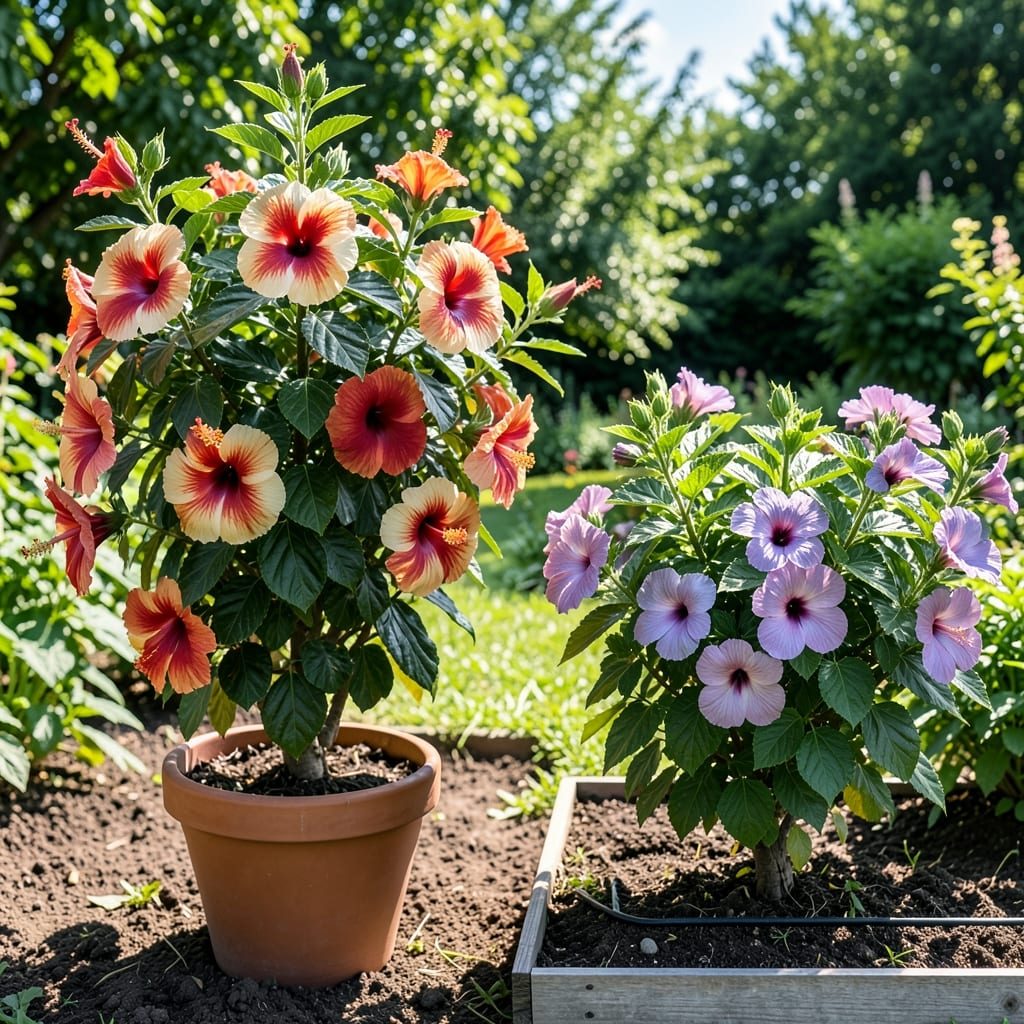
If you’ve ever wondered just how tall your hibiscus 🌸 could grow—whether it’ll stay a manageable shrub or stretch into a towering garden statement—you’re not alone. The answer depends entirely on the type you’re growing, and the difference between a 3-foot dwarf and a 15-foot giant can change how you plan your garden layout.
Some hibiscus varieties, like the hardy Hibiscus moscheutos, can reach heights of 10-15 feet under ideal conditions, while tropical types often max out around 6-8 feet unless pruned. The key to controlling their size lies in understanding their natural growth habits—and a little strategic pruning can make all the difference.
Whether you’re dreaming of a privacy screen or a compact patio plant, knowing the exact height ranges and care tips for each variety will help you avoid surprises. I’ll break down the most common hibiscus types, their mature sizes, and the simplest pruning techniques to keep them exactly where you want them.
Ready to transform your garden? Let’s dive into the heights, habits, and hacks that’ll help you grow the perfect hibiscus—no overgrowth or stunted shrubs in sight.

Hibiscus height by type: exact growth ranges for 10 common varieties
Hibiscus plants come in a stunning array of sizes, from dwarf varieties perfect for containers to towering giants that can rival small trees. The height of your hibiscus depends entirely on its species—whether it's a tropical hibiscus, hardy hibiscus, or a dwarf cultivar. Understanding these differences is key to planning your garden layout and avoiding surprises.
For example, the Hibiscus rosa-sinensis, a popular tropical hibiscus, typically reaches 6-8 feet tall in ideal conditions, while the Hibiscus syriacus, a hardy variety, can grow up to 10-15 feet. Even within the same species, some cultivars are bred to stay compact, like the Dwarf Ruby, which maxes out at just 2-3 feet. Let’s dive into the exact height ranges for 10 common hibiscus varieties so you can pick the perfect fit for your space.
🌱
| Variety | Type | Mature Height | Growth Habit | Best For |
|---|---|---|---|---|
| Hibiscus rosa-sinensis | Tropical | 6-8 ft | Shrub | Patios, borders |
| Hibiscus syriacus | Hardy | 10-15 ft | Tree/Shrub | Privacy screens, large gardens |
| Hibiscus moscheutos | Hardy | 8-12 ft | Shrub | Swamp gardens, borders |
| Dwarf Ruby | Tropical (Dwarf) | 2-3 ft | Bush | Containers, small gardens |
| Giant Peruvian | Tree Hibiscus | 15-20 ft | Tree | Large landscapes, tropical gardens |
| Hibiscus mutabilis | Hardy | 6-10 ft | Shrub | Mixed borders, hedges |
| Hibiscus coccineus | Hardy | 4-6 ft | Shrub | Wildlife gardens, rain gardens |
| Hibiscus arnottianus | Tropical | 5-7 ft |
How to control hibiscus height: pruning techniques for different growth habitsPruning is the secret weapon for keeping your hibiscus 🌸 at your desired height—whether you want a compact patio plant or a tall privacy screen. The right pruning technique depends on the type of hibiscus you’re growing. For example, tropical hibiscus (like Hibiscus rosa-sinensis) benefits from light pruning to encourage bushier growth, while hardy varieties (like Hibiscus syriacus) can handle heavier pruning to control their towering height. Timing is everything. The best time to prune most hibiscus varieties is late winter or early spring, just before new growth begins. This encourages fresh, vibrant blooms and keeps your plant healthy. However, if you’re dealing with overgrown tropical hibiscus, you can prune lightly throughout the growing season to maintain shape and size. 🌱 Step-by-Step Pruning Guide for Hibiscus
One common mistake I see is pruning too late in the season, which can stunt new growth before winter. For dwarf hibiscus, like the Dwarf Ruby, minimal pruning is needed—just trim back any leggy stems to keep them compact. On the other hand, tall varieties, like the Giant Peruvian, may need aggressive pruning to prevent them from becoming unmanageable. If you’re aiming for a tree-form hibiscus, focus on removing lower branches to create a clear trunk and a lush canopy. This works especially well for hardy varieties like Hibiscus syriacus. For a bushier look, prune just above a leaf node to encourage branching. With the right pruning approach, you can shape your hibiscus into anything from a privacy hedge to a container-friendly patio plant. 🌿 |