
How To
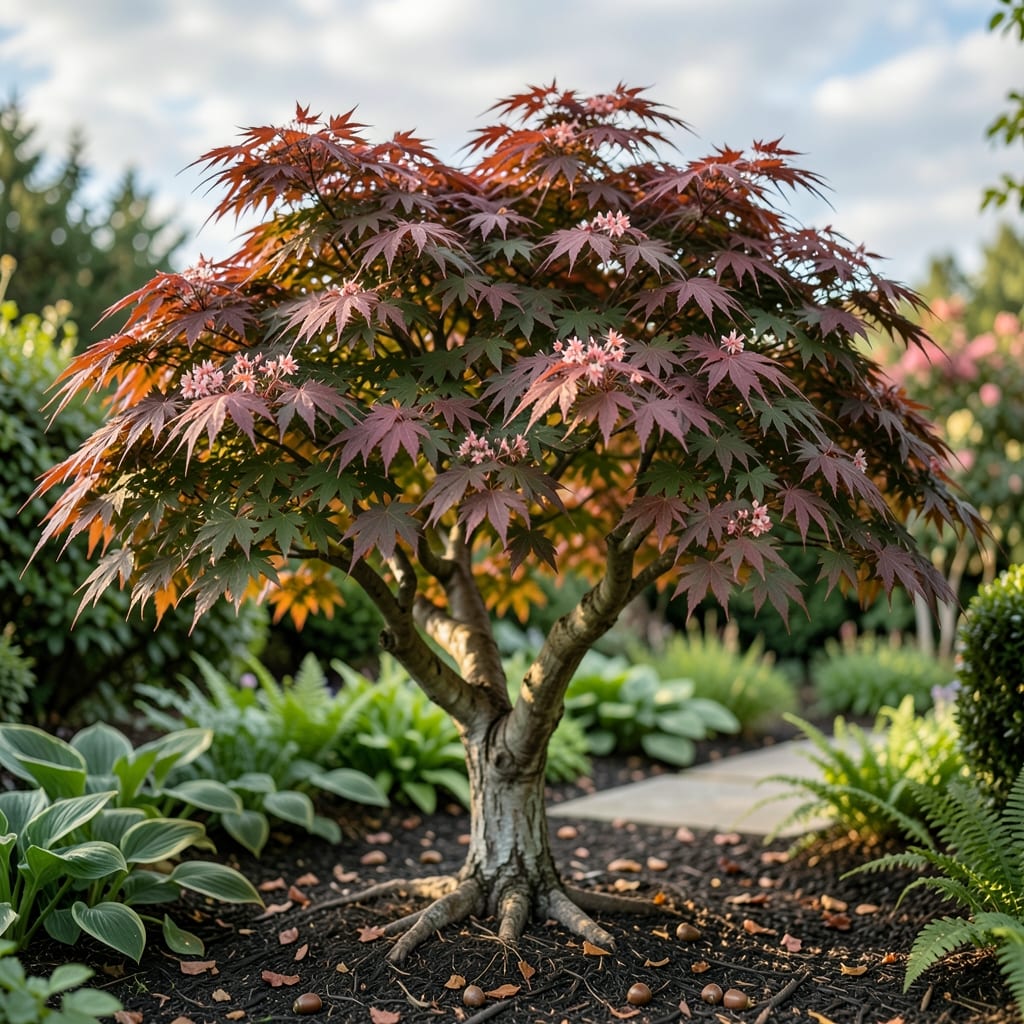
If you’ve ever dreamed of adding a Japanese Maple 🌿 to your garden but wondered how tall can Japanese maples grow, you’re not alone. These stunning trees can range from a compact 6 feet to a towering 30 feet, depending on the variety—and that’s a big difference for your landscape planning!
Whether you’re envisioning a delicate dwarf cultivar for a small patio or a majestic specimen for a sprawling yard, understanding how tall your Japanese Maple will grow is the first step. I’ll break down the height ranges of popular varieties, from the tiny 'Shishigashira' to the grand 'Emperor I', so you can pick the perfect fit for your space.
But here’s the kicker: even the tallest varieties can be managed with the right pruning techniques. I’ll share expert tips to control growth, whether you want to keep your tree small or encourage it to reach its full potential. Let’s get started!
From soil prep to seasonal care, you’ll learn everything you need to know to nurture a healthy Japanese Maple—no matter how big (or small) you want it to be. Ready to transform your garden with this versatile tree?

Japanese Maple height ranges by variety: from dwarf to giant trees
Japanese maples (genus Acer palmatum) are famous for their stunning foliage and elegant forms, but their mature heights can vary dramatically—from a 6-foot dwarf to a 30-foot giant. Choosing the right variety for your space is key, whether you’re designing a small courtyard or a large landscape. Let’s explore the height ranges of the most popular cultivars and what to expect from each.
First, it’s important to note that height isn’t the only factor—growth habits like spread, branching style, and even leaf color play a role in how a tree fits into your garden. For example, 'Bloodgood' stays compact but wide, while 'Emperor I' grows tall and narrow. I’ll cover both extremes and everything in between so you can make an informed choice.
🌿
| Variety | Mature Height (ft) | Spread (ft) | Growth Rate | Best For |
|---|---|---|---|---|
| 'Shishigashira' | 6-8 | 6-8 | Slow | Small gardens, containers |
| 'Bloodgood' | 12-15 | 10-12 | Moderate | Medium landscapes, focal points |
| 'Emperor I' | 25-30 | 15-20 | Fast | Large yards, specimen planting |
| 'Coral Bark' | 15-20 | 10-15 | Moderate | Winter interest, mixed borders |
| 'Green Cascade' | 3-5 | 4-6 | Slow | Containers, hanging baskets |
| 'Dissectum' | 8-12 | 8-10 | Slow | Shade gardens, woodland areas |
| 'Senka' | 10-15 | 8-12 | Moderate | Small to medium gardens |
The 'Shishigashira' is one of the smallest Japanese maples, perfect for urban gardens or patios where space is limited. Its 6-8 feet height and rounded shape make it ideal for containers or as a standalone feature. On the other end of the spectrum, 'Emperor I' can reach 30 feet, making it a statement tree for large properties or as a backdrop in mixed borders.
If you’re torn between varieties, consider 'Bloodgood'—a versatile choice that grows to 12-15 feet and thrives in both sun and partial shade. Its deep red foliage adds year-round interest, and it’s resilient enough for beginners. For a unique look, 'Coral Bark' offers striking orange stems in winter while maintaining a 15-20 foot height.
For container gardening, 'Green Cascade' is a standout with its 3-5 foot height and weeping branches. It’s perfect for balconies or small courtyards where you want a touch of elegance without sacrificing space. Just ensure your container is large enough—at least 15 gallons for mature growth.
🌳
Remember, these heights are general guidelines. Factors like pruning, soil quality, and sun exposure can influence how tall your Japanese Maple grows. In the next
How to control Japanese Maple height: pruning techniques for small gardens
Pruning is the secret weapon for controlling how tall your Japanese Maple grows—whether you want to keep it as a compact shrub or encourage its natural height. The key is timing, technique, and knowing which cuts to make (and which to avoid!). For example, structural pruning in early spring shapes young trees, while maintenance pruning in late winter keeps mature trees in check. Let’s dive into the best methods to manage your tree’s height without harming its health.
First, avoid the temptation to top your Japanese Maple—this harsh technique (cutting the top flat) leads to weak, leggy growth and stress on the tree. Instead, focus on selective pruning to remove specific branches that contribute to unwanted height. Start by identifying the tree’s central leader (the main upward-growing branch) and limit its growth by trimming just the topmost buds. This encourages lateral branching, creating a fuller, bushier tree.
🌿
-
Step 1: Prune in Late Winter
Trim dormant trees between February and early March before new growth begins. This minimizes stress and promotes healthy spring regrowth. -
Step 2: Remove Water Sprouts
Cut out vertical water sprouts (fast-growing, weak shoots) to redirect energy to stronger branches. Use clean, sharp pruners to avoid tearing bark. -
Step 3: Thin the Canopy
Remove 10-20% of dense foliage to improve airflow and sunlight penetration. Focus on branches growing inward or crossing others. -
Step 4: Limit Height with Selective Cuts
For height control, trim the topmost buds of the central leader by 1/3 to 1/2 of its length. Avoid cutting into old wood—new growth emerges from current year’s branches. -
Step 5: Pollard for Dramatic Control (Advanced)
For aggressive height reduction, pollard mature trees by cutting back main branches to stubs (leave 6-12 inches). This stimulates dense regrowth but requires skill—best left to professionals for large trees.
Tools matter! Use bypass pruners for small branches and a pruning saw for thicker stems. Always sterilize tools with rubbing alcohol between cuts to prevent disease spread. And remember: never prune in fall—this encourages tender new growth that won’t survive winter.
For container-grown Japanese Maples like 'Green Cascade', prune after flowering (late spring) to maintain its weeping form. Pinch back new growth by 1/3 to encourage bushiness. With regular pruning, even tall varieties like 'Emperor I' can be managed to fit smaller spaces—just be patient and consistent!
🪴