
Trees
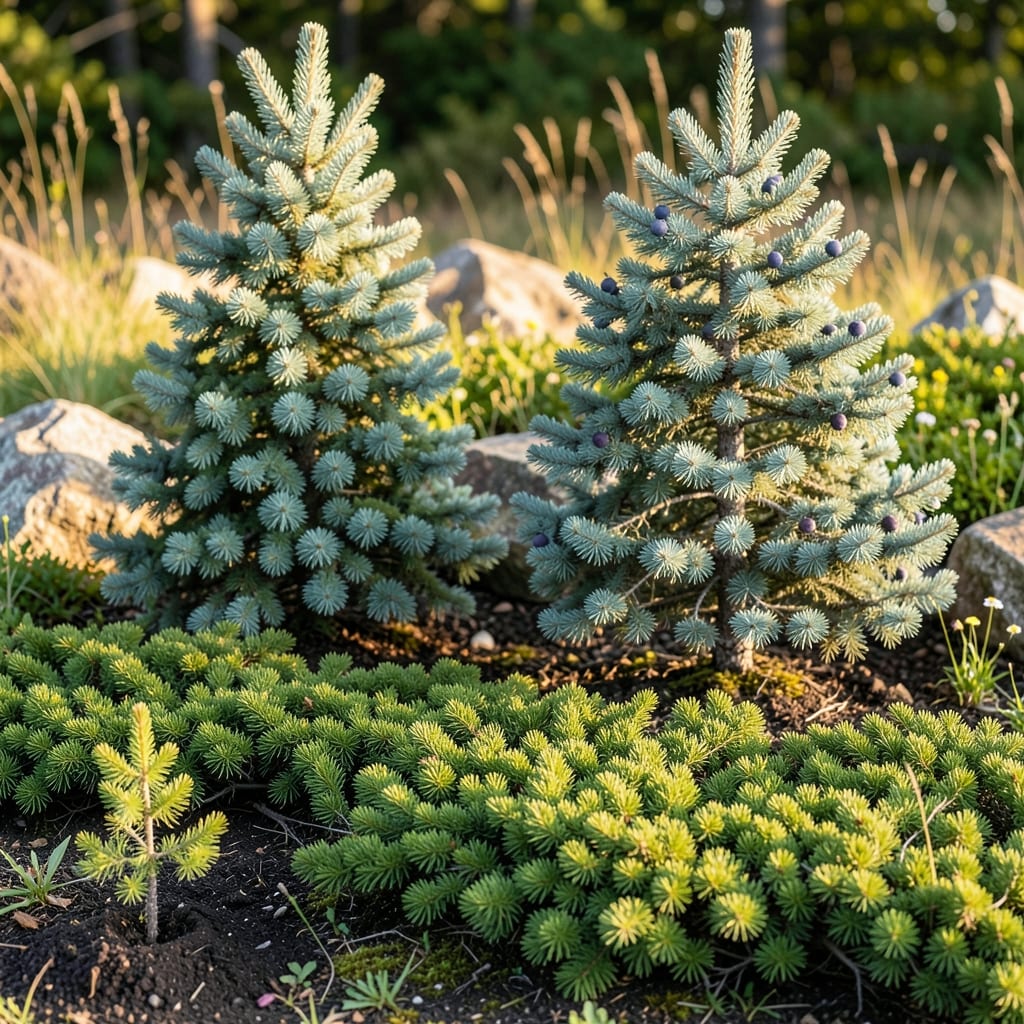
If you're wondering how tall can juniper trees grow, the answer might surprise you—these evergreens range from tiny shrubs to towering giants that reach over 100 feet in the wild. Whether you're planning a backyard privacy screen or a delicate accent plant, understanding their potential height is key to choosing the right variety for your space.
Some junipers, like the Eastern redcedar (Juniperus virginiana), can soar to 40 feet or more, making them perfect for large landscapes, while dwarf varieties like Juniperus horizontalis stay under 3 feet—ideal for rock gardens or container planting. The right species can transform your outdoor space, whether you need a tall hedge or a low-maintenance ground cover.
But height isn’t just about species—soil, sunlight, and pruning play huge roles in how much your juniper will grow. With the right care, even a compact variety can thrive, while a fast-growing type might need regular trimming to keep it in check. Let’s break down what influences their growth and how to nurture them for the perfect fit in your garden.
Ready to pick the perfect juniper? Discover which types suit your yard’s size and climate, plus pro tips to encourage healthy growth—no matter how tall (or short) you want them to be.


Juniper tree height by species: from dwarf to sky-high giants
Juniper trees offer an incredible range of heights, from 3-foot ground covers to 100-foot forest giants. The species you choose will determine whether your juniper stays low and spreading or reaches towering proportions. For example, the Eastern redcedar (Juniperus virginiana) can grow up to 40 feet tall, while the Creeping juniper (Juniperus horizontalis) stays under 2 feet—perfect for slopes or rock gardens.
If you're planning a privacy screen or windbreak, taller varieties like Rocky Mountain juniper (Juniperus scopulorum) or Western juniper (Juniperus occidentalis) are ideal, often reaching 30-40 feet in ideal conditions. Meanwhile, dwarf junipers like 'Blue Rug' or 'Blue Star' are perfect for containers or edging.
Here’s a quick look at how juniper heights break down by category, so you can pick the perfect fit for your space:
The growth rate also varies—some junipers grow just 6 inches per year, while faster varieties can add 2 feet annually in ideal conditions. For example, the Eastern redcedar grows quickly in full sun and well-draining soil, while Rocky Mountain juniper is slower but more drought-resistant.
If you're in a small urban yard, a dwarf or semi-dwarf variety will save space without sacrificing beauty. For larger properties, taller junipers create stunning focal points or natural barriers. Just remember: pruning young can encourage bushier growth, while neglecting trimming may lead to leggy, sparse trees.
Climate plays a role too—junipers in arid regions often grow taller and fuller due to natural drought adaptation, while those in humid climates may need extra care to prevent fungal issues. Always check your USDA hardiness zone before planting to ensure your chosen species thrives.
For instance, Coastal juniper (Juniperus maritima) thrives in zones 4-8 and stays under 5 feet, making it a great choice for northern gardens. Meanwhile, Utah juniper (Juniperus osteosperma) dominates zones 5-9 and can reach 30 feet in its native habitat.
Before planting, measure your space and research the mature height of your top candidates. A 10-foot juniper might seem small now, but it’ll fill out quickly—so leave room for growth! With the right species and care, your juniper can become a long-lived centerpiece for decades.
How to maximize juniper tree growth: soil, sun, and pruning secrets
Juniper trees may grow at different rates depending on species, but with the right care, you can encourage them to reach their full genetic potential. The key lies in three critical factors: well-draining soil, full sun exposure, and strategic pruning. These elements work together to create the perfect environment for your juniper to thrive, whether you're growing a dwarf variety or a towering giant.
For starters, junipers thrive in sandy or gravelly soil that drains quickly, preventing root rot—a common issue for overwatered plants. Amend heavy clay soil with compost or perlite to improve aeration. A slightly acidic pH (6.0-7.0) is ideal, though many junipers tolerate neutral soil. Test your soil before planting to ensure it meets these requirements.
Here’s how to create the perfect growing conditions for maximum height and health:
Watering plays a surprisingly small role in juniper growth—these trees are drought-tolerant once established. Overwatering is far more dangerous than underwatering. In the first year, water deeply once a week to help roots establish. After that, reduce watering to every 2-3 weeks, unless your region experiences extreme drought. Mulch around the base with wood chips or gravel to retain moisture and regulate soil temperature.
Pruning is where you can shape your juniper’s growth. For taller varieties, prune in late winter or early spring to encourage bushier growth. Use clean, sharp shears to make cuts just above a leaf node. Avoid heavy pruning, as junipers don’t regenerate well. If you’re growing a dwarf juniper, prune lightly to maintain its compact form and prevent legginess.
Fertilizing is another often-overlooked factor. Junipers don’t need much, but a light application of slow-release fertilizer in early spring can boost growth. Use a balanced formula (5-10-10) and apply it sparingly—too much nitrogen can lead to weak, leggy growth. Avoid fertilizing in summer or fall, as this can stress the tree.
Finally, monitor your juniper for pests and diseases, which can stunt growth. Spider mites, bagworms, and juniper scale are common threats. Treat infestations early with neem oil or insecticidal soap to keep your tree healthy and on track for maximum growth. With these care tips, your juniper will grow strong and reach its full potential height—whether that’s a 3-foot shrub or a 40-foot tower.